Counter-Strike updates rarely focus only on gameplay. In recent years, every major patch has also influenced the cosmetic economy, especially when new cases appear in the drop pool. For players who track the market closely, a single CS2 case release can reshape skin values, trading strategies, and even community expectations about future drops.
Because Valve rarely publishes a clear roadmap for cases, players often rely on patch notes, data mining, and community leaks to anticipate which collections might appear next and how the drop pool could change.
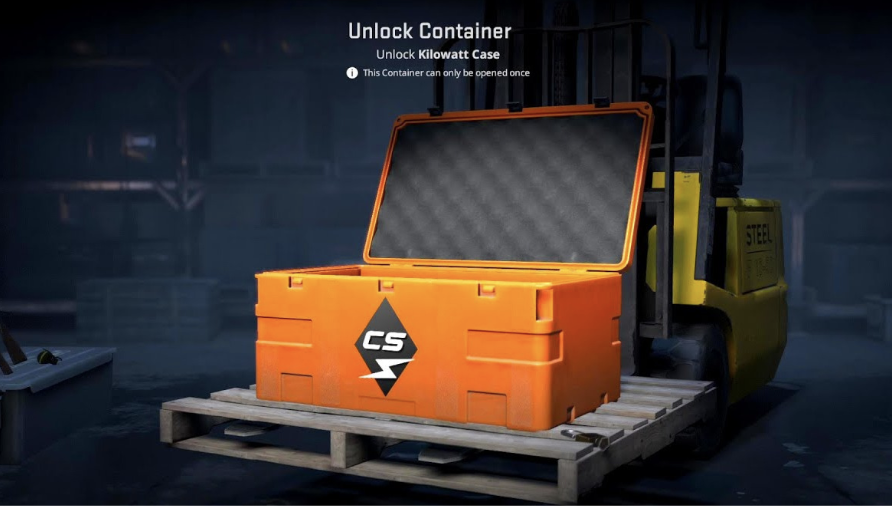
https://game-tournaments.com/en/csgo/news/72917
How CS2 Case Drops Work Today
Unlike older versions of the game where items could appear randomly after matches, Counter-Strike 2 uses a weekly reward system. Players receive a Weekly Care Package after ranking up, which contains several potential rewards such as skins, cases, or graffiti. From those options, players can choose two items.
This change introduced more control over drops. Instead of receiving completely random rewards, players can decide which items they want to claim each week.
However, not every case is available at the same time. Valve manages drops through something known as the Active Drop Pool, which rotates periodically as new cases are added and older ones are removed.
For players analyzing the market, these rotations are extremely important.
Active Drop Pools and Rare Case Chances
At any given moment, only a limited number of cases appear in the regular drop pool. Most of the time, the system favors recently released cases while older ones become harder to obtain. (dmarket.com)
Community analysis suggests the distribution generally works like this:
- around 99% of drops come from the active case rotation
- roughly 1% of drops come from rare or legacy cases
When a case leaves the active rotation, its supply begins to shrink. Over time this often increases its price on the community market because fewer new copies enter circulation.
This mechanism explains why older cases sometimes become highly valuable years after their release.
What Valve Updates Reveal About Future Cases
Valve typically introduces new cases during seasonal updates or alongside larger gameplay patches. For example, the Fever Case, released in March 2025, added 17 community-created weapon finishes and new knife variants as part of a broader update.
These updates often follow patterns that experienced players watch carefully:
- new cases usually arrive alongside engine or gameplay updates
- the release often introduces community-designed skins
- one older case is typically removed from the active pool
Because Valve rarely announces cases far in advance, small hints in update files or community leaks often become the main source of predictions.
How Data Miners and Leaks Influence Predictions
The Counter-Strike community has long relied on data miners who analyze update files after each patch. These players search for new textures, unfinished weapon finishes, or references to upcoming collections hidden inside the game files.
While these discoveries are not always confirmed, they can sometimes hint at future content. In the past, leaked textures or unfinished assets have revealed upcoming skins months before their official release.
Leaks typically focus on:
- unfinished weapon finishes discovered in game files
- references to new collections or operations
- hints about knife or glove variants
Even when these leaks turn out to be incomplete, they still influence market speculation.
Why Case Predictions Matter to the Community
For traders and collectors, predicting new cases can be extremely valuable. A new case release often shifts attention toward fresh skins while older cases may suddenly become scarce.
When a case leaves the active drop pool, the supply gradually declines, which can push prices upward over time.
This is why players who follow update leaks often react quickly when rumors appear about upcoming cases or changes in the drop pool.
For casual players, these predictions are simply part of the excitement surrounding new updates.
The Future of CS2 Case Releases
The CS2 economy continues to evolve as Valve experiments with new reward systems and cosmetic collections. Updates have already introduced systems like rotating drop pools and weekly reward packages, which give the developers more control over how cases enter the game.
Because of this approach, future cases will likely continue appearing unpredictably through patches and seasonal updates rather than fixed schedules.
For players who follow the skin economy, keeping an eye on patch notes, community analysis, and data-mined information remains one of the best ways to anticipate the next big case release.