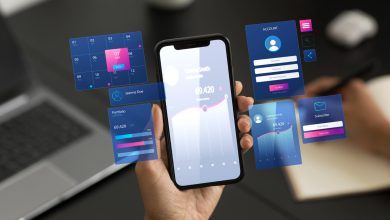
In the rapidly evolving world of digital products, user experience (UX) and user interface (UI) design have become fundamental pillars in creating products that not only serve their function but also resonate with their users. The goal is to create seamless and intuitive experiences that prioritize the needs of the user while ensuring aesthetic appeal. With user expectations at an all-time high, designing with the end user in mind has never been more crucial. In this context, companies like JetRockets have emerged as key players, offering deep insights and expertise in crafting user-centric products that deliver both exceptional functionality and design.
The Essence of User-Centric Design
User-centric design refers to a design philosophy that puts the needs, behaviors, and experiences of the end user at the core of the product development process. This approach goes beyond just creating products that are functional or visually appealing; it focuses on creating experiences that are meaningful and intuitive for users. When done right, user-centric design ensures that products are not only easy to use but also enjoyable and engaging.
At the heart of user-centric design is the understanding that users are diverse, with varying needs, preferences, and behaviors. Therefore, a one-size-fits-all approach is rarely effective. Instead, designers must work to understand the specific context of use and tailor the experience accordingly. This is where UX/UI design comes into play, offering a structured yet flexible framework to achieve this goal.
UX design focuses on the overall experience a user has with a product or service, including the ease of use, functionality, and how intuitive the product feels. UI design, on the other hand, deals with the aesthetics and interactive elements, such as buttons, menus, and the layout. Together, these two aspects of design play a crucial role in creating a cohesive, user-friendly experience.
The Role of Research in UX/UI Design

Effective UX/UI design begins with understanding the target audience. This is where user research becomes vital. Companies like JetRockets emphasize the importance of conducting thorough research to gain insights into users’ needs, challenges, and preferences. This process often involves user interviews, surveys, and usability testing, all aimed at gathering data that informs the design process.
Research helps designers create user personas, which are fictional representations of ideal users based on actual data. These personas guide decision-making throughout the design process, ensuring that the product is being developed with real user needs in mind. It also allows designers to anticipate potential pain points and address them proactively.
Usability testing is another crucial element in the research phase. This involves observing real users interacting with a product prototype to identify areas where users may struggle. By testing early and often, designers can catch issues before they become bigger problems in the final product, ultimately saving both time and resources.
The Importance of Simplicity and Usability
One of the key principles of effective UX/UI design is simplicity. The goal is to create designs that are clean, intuitive, and easy to navigate. Users should be able to interact with a product effortlessly, without feeling overwhelmed or confused by unnecessary elements. This is especially important in today’s fast-paced digital world, where attention spans are shorter than ever.
JetRockets’ approach to design places a strong emphasis on simplicity while maintaining functionality. For instance, mobile apps and websites often need to cater to diverse users, some of whom may be less tech-savvy than others. In such cases, creating a simple, easy-to-follow interface is crucial. Features should be clearly labeled, and the user flow should be as smooth as possible, with minimal steps required to complete key actions.
One of the best ways to achieve simplicity in design is through minimalism. Minimalist design focuses on stripping away anything unnecessary, leaving only the elements that add value to the user. This can be seen in the use of clean lines, ample white space, and a limited color palette. When executed correctly, minimalism enhances usability by reducing cognitive load and making it easier for users to focus on what’s important.
Visual Design and Its Impact on User Experience
While functionality is critical, the visual design of a product also plays a significant role in the overall user experience. UI design is concerned with how the product looks and feels. It includes aspects such as color schemes, typography, button styles, and the arrangement of content on the screen.
Effective visual design is not just about creating something visually appealing; it is about supporting usability and guiding the user through their journey. For example, colors can be used to draw attention to important elements or to create a sense of hierarchy. Buttons should be clearly distinguishable and sized appropriately for easy tapping or clicking. The layout should be consistent, with a clear structure that allows users to intuitively navigate the product.
Moreover, accessibility is a critical consideration in visual design. Products must be designed in a way that accommodates users with varying abilities, including those with visual impairments or motor difficulties. This may involve ensuring high contrast between text and background, providing alternative text for images, and offering keyboard navigation options.
The Role of Interaction Design
Interaction design (IxD) is another key aspect of UX/UI design that focuses on creating smooth, meaningful interactions between users and the product. This includes everything from button clicks to swipes and scrolls. Effective interaction design ensures that users can perform tasks efficiently and without confusion.
JetRockets emphasizes the importance of designing interactive elements that are responsive and provide feedback. For instance, when a user clicks a button, they should receive immediate visual or tactile feedback, such as a color change or a subtle animation. This not only reassures users that their action has been registered but also makes the experience feel more engaging and dynamic.
Moreover, interactions should be designed with the user’s mental model in mind. Users often have certain expectations about how a product should behave, based on their previous experiences with similar products. Interaction design should take these expectations into account to avoid creating unnecessary friction or confusion.
Iteration and Continuous Improvement
Effective UX/UI design is not a one-time process; it requires constant iteration and refinement. As users interact with a product, designers gain valuable insights that can be used to improve the experience. This is why feedback loops and user testing are critical components of the design process.
Companies like JetRockets adopt an iterative approach to design, continuously gathering feedback and refining the product over time. By regularly testing new features and design updates, designers can ensure that the product evolves in response to user needs and changing market conditions.
This process of iteration is essential because user preferences and behaviors are always evolving. What works today may not work tomorrow, and designers must be prepared to adapt. Additionally, as new technologies and design trends emerge, there is always room for improvement and innovation in the user experience.
Measuring the Success of UX/UI Design
The effectiveness of UX/UI design can be measured in various ways. Key performance indicators (KPIs) such as user satisfaction, engagement, and retention are critical metrics to track. High user satisfaction indicates that the product is meeting user needs and providing a positive experience. Engagement metrics, such as the time spent on the app or website, can indicate how well users interact with the product. Retention metrics reveal how many users continue to use the product over time, reflecting the long-term value it provides.
In addition to these quantitative metrics, qualitative feedback from users is invaluable. Gathering direct feedback through surveys, interviews, and reviews helps designers understand the nuances of the user experience and identify areas for improvement.
Conclusion
Creating user-centric products with effective UX/UI design requires a deep understanding of the end user’s needs and behaviors. It involves a thoughtful balance between functionality, aesthetics, and usability, with a constant focus on simplicity and accessibility. Companies like JetRockets understand that successful design is not just about creating beautiful interfaces; it’s about crafting meaningful experiences that solve real problems for users.
By investing in research, testing, and iteration, designers can create products that resonate with users and stand out in an increasingly competitive digital landscape. Whether designing a mobile app, a website, or a complex software solution, putting the user at the center of the design process is the key to success.