As businesses continue to migrate to the cloud, managing expenses has become just as important as achieving scalability and performance. While cloud platforms like AWS, Azure, and Google Cloud offer flexibility and innovation, they can also lead to unexpected costs if not properly managed. This is where cloud cost governance and FinOps play a critical role. By implementing strong financial controls and collaborative practices, organizations can optimize cloud spending and improve overall efficiency.
In this guide, we’ll explore how cloud cost governance works, why FinOps matters, and the best strategies and tools to help modern businesses stay in control of their cloud budgets.
What Is Cloud Cost Governance?
Cloud cost governance refers to the policies, processes, and tools used to monitor, control, and optimize cloud spending. It ensures that cloud resources are used efficiently and that teams remain accountable for the costs they generate. Without proper governance, organizations may face issues such as unused resources, overprovisioned instances, and unpredictable monthly bills.
Effective governance involves setting budgets, enforcing tagging policies, creating cost alerts, and regularly reviewing usage patterns. It also requires collaboration between finance, engineering, and operations teams to ensure everyone understands the financial impact of their cloud decisions.
For companies looking to improve their financial management in the cloud, exploring different cloud cost governance and finops options can provide valuable insights into cost optimization and accountability.
Understanding FinOps
FinOps, short for Financial Operations, is a framework that brings together finance, technology, and business teams to manage cloud spending more effectively. Unlike traditional cost management approaches, FinOps encourages real-time collaboration and data-driven decision-making.
The main goal of FinOps is to help organizations get maximum value from their cloud investments. It focuses on visibility, accountability, and continuous optimization. By adopting FinOps practices, businesses can make informed decisions about resource usage, scaling, and budgeting.
FinOps operates on three key phases:
- Inform – Provide teams with clear visibility into cloud costs and usage.
- Optimize – Identify opportunities to reduce waste and improve efficiency.
- Operate – Continuously monitor and adjust spending based on business needs.
When organizations evaluate cloud cost governance and finops options, they often find that combining governance policies with FinOps practices leads to better financial control and improved performance.
Why Cloud Cost Governance and FinOps Matter
Cloud adoption is growing rapidly across industries, but many businesses struggle to manage costs effectively. Without proper oversight, cloud expenses can quickly spiral out of control. Implementing governance and FinOps strategies helps organizations:
- Reduce unnecessary spending
- Improve budget forecasting
- Increase transparency across teams
- Align cloud usage with business goals
- Enhance accountability for resource consumption
By adopting structured cloud cost governance and finops options, businesses can create a more predictable and sustainable cloud spending model.
Key Components of a Successful Strategy
To build an effective cloud cost management framework, organizations should focus on the following components:
1. Cost Visibility and Reporting
The first step in managing cloud expenses is gaining visibility into where money is being spent. Detailed cost reports and dashboards help teams understand usage patterns and identify inefficiencies. Modern cloud platforms offer built-in tools for monitoring costs, but many companies also use third-party solutions for deeper insights.
2. Budgeting and Forecasting
Setting budgets and forecasting future expenses are essential for financial planning. Organizations should establish spending limits for different teams or projects and track performance against those limits. Automated alerts can notify teams when they approach or exceed their budgets.
3. Resource Optimization
Optimizing resources involves rightsizing instances, shutting down unused services, and selecting cost-effective pricing models. For example, using reserved instances or savings plans can significantly reduce long-term costs.
Businesses evaluating cloud cost governance and finops options should prioritize tools that provide automated optimization recommendations and real-time insights.
4. Tagging and Allocation
Tagging resources allows organizations to track costs by department, project, or environment. Proper tagging ensures accurate cost allocation and helps teams understand their financial impact. Governance policies should enforce consistent tagging across all cloud resources.
5. Automation and Policy Enforcement
Automation plays a key role in cost governance. Automated policies can shut down idle resources, enforce spending limits, and prevent unauthorized deployments. This reduces manual effort and minimizes the risk of overspending.
Popular FinOps Tools and Platforms
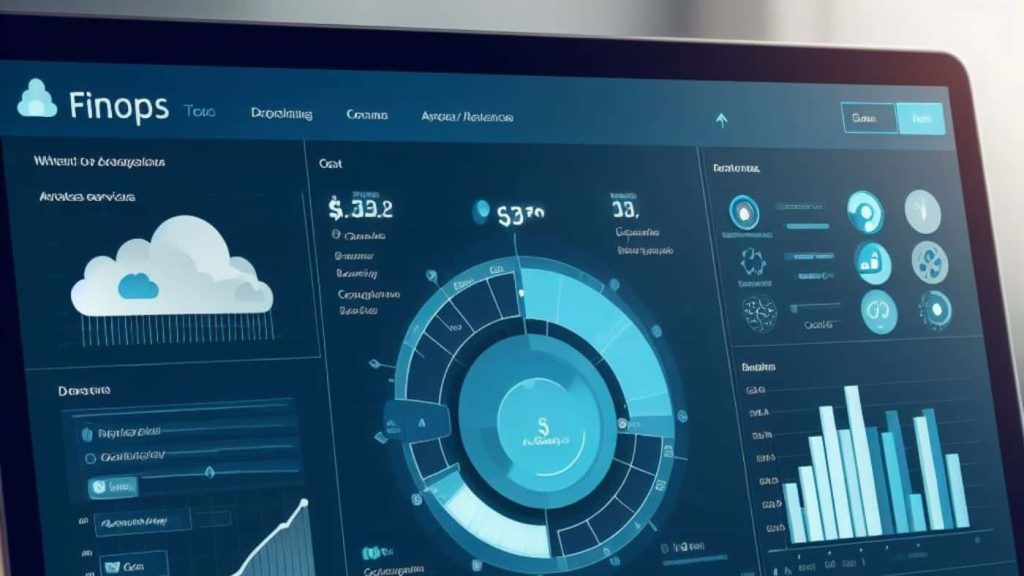
There are many tools available to help businesses manage cloud costs effectively. Some popular options include:
- Native cloud provider tools (AWS Cost Explorer, Azure Cost Management, Google Cloud Billing)
- Third-party platforms for multi-cloud environments
- Automation and optimization tools
- Budgeting and forecasting software
When selecting tools, organizations should consider their specific needs, cloud environment, and level of complexity. Exploring different cloud cost governance and finops options can help businesses find the right combination of tools and processes.
Best Practices for Implementation
Implementing cloud cost governance and FinOps requires a structured approach. Here are some best practices to follow:
Build a Cross-Functional Team
FinOps is not just a finance function. It requires collaboration between engineering, finance, and operations teams. Creating a cross-functional team ensures that everyone is aligned on cost management goals.
Establish Clear Policies
Define policies for resource provisioning, budgeting, and optimization. Clear guidelines help teams make cost-effective decisions and reduce unnecessary spending.
Monitor and Optimize Continuously
Cloud environments are dynamic, so cost management should be an ongoing process. Regularly review usage data, identify inefficiencies, and adjust strategies as needed.
Educate Teams
Training and awareness are essential for successful implementation. Teams should understand how their actions impact cloud costs and how to use tools effectively.
Use Automation
Automation reduces manual effort and improves efficiency. Automated alerts, scaling policies, and optimization tools can help maintain control over cloud spending.
By adopting these practices and exploring available cloud cost governance and finops options, businesses can build a strong foundation for financial management in the cloud.
Future Trends in Cloud Cost Management
As cloud adoption continues to grow, new technologies and practices are emerging to help businesses manage costs more effectively. Some key trends include:
- Increased use of AI and machine learning for cost optimization
- Greater emphasis on real-time cost monitoring
- Integration of FinOps with DevOps practices
- Enhanced automation for governance and compliance
- More advanced forecasting and analytics tools
Organizations that stay ahead of these trends will be better positioned to control costs and maximize the value of their cloud investments.
Conclusion
Cloud computing offers tremendous benefits, but it also requires careful financial management. Without proper oversight, costs can quickly become unpredictable. Implementing strong governance policies and adopting FinOps practices can help businesses maintain control, improve transparency, and optimize spending.
By exploring various cloud cost governance and finops options, organizations can find the right tools and strategies to support their goals. Whether you’re a small startup or a large enterprise, a well-defined approach to cloud cost management will ensure long-term success in the cloud.
Investing in cloud cost governance and FinOps today will not only reduce expenses but also create a more efficient and accountable cloud environment for the future.