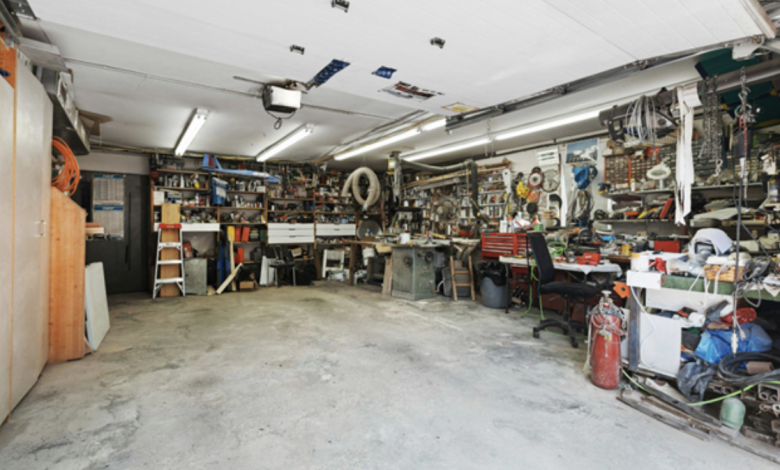
A modern garage has evolved beyond simple vehicle storage. For many automotive enthusiasts and practical homeowners alike, it functions as a workspace for maintenance, upgrades, fabrication, and long-term vehicle care. Building a well-equipped garage requires thoughtful planning, appropriate tooling, and an understanding of how mechanical systems interact under real-world driving conditions.
Whether maintaining a daily driver or modifying an off-road vehicle, the quality of tools and protective components installed directly influences performance and durability. A structured workspace supports precision, safety, and efficiency across a wide range of automotive projects.
Structural Protection and Drivetrain Upgrades
When working on trucks, Jeeps, or performance vehicles, drivetrain durability often becomes a priority. The differential housing, located beneath the vehicle, protects gears responsible for transferring power from the driveshaft to the wheels. Because this component sits low and exposed, it is vulnerable to impacts from rocks, debris, and uneven terrain.
Upgrading to a reinforced diff cover provides additional structural protection while also improving fluid containment and cooling characteristics. Heavy-duty covers are typically constructed from thicker steel or cast materials designed to withstand trail impacts or heavy torque loads. For enthusiasts performing gear swaps, locker installations, or axle reinforcement, replacing the factory differential cover is often part of broader drivetrain preparation.
Installing such components in a garage setting requires proper lifting equipment, torque tools, sealant application, and attention to manufacturer specifications. Precision during installation prevents leaks and ensures correct gear lubrication.
Essential Tooling and Equipment
A well-equipped garage begins with foundational tools: quality socket sets, torque wrenches, breaker bars, hydraulic jacks, and jack stands rated for the vehicle’s weight. As projects become more advanced, additional equipment such as transmission jacks, engine hoists, and diagnostic scanners may become necessary.
Lighting plays a critical role in workspace functionality. Overhead LED fixtures combined with portable work lights improve visibility in tight engine bays or undercarriage areas. Adequate ventilation supports comfort and safety, especially when working with solvents, paints, or exhaust components.
Sourcing reliable tools and garage equipment often involves comparing specifications and durability ratings. Platforms like My Garage Supplies serve as centralized resources for reviewing automotive tools, storage systems, and maintenance equipment suited to both hobbyists and small commercial operations.
Organized Storage and Workflow Efficiency
As tool collections grow, organization becomes essential. Modular storage cabinets, wall-mounted pegboards, and rolling tool chests reduce clutter and streamline workflow. Clear labeling and categorized storage for fasteners, lubricants, and specialty tools save time during complex projects.
Floor space management is equally important. Keeping pathways clear reduces the risk of accidents and allows easier movement when maneuvering heavy components. Rubber floor mats or epoxy-coated surfaces can enhance durability while simplifying cleanup.
A thoughtfully arranged garage not only improves efficiency but also supports safer mechanical work.
Electrical and Power Considerations
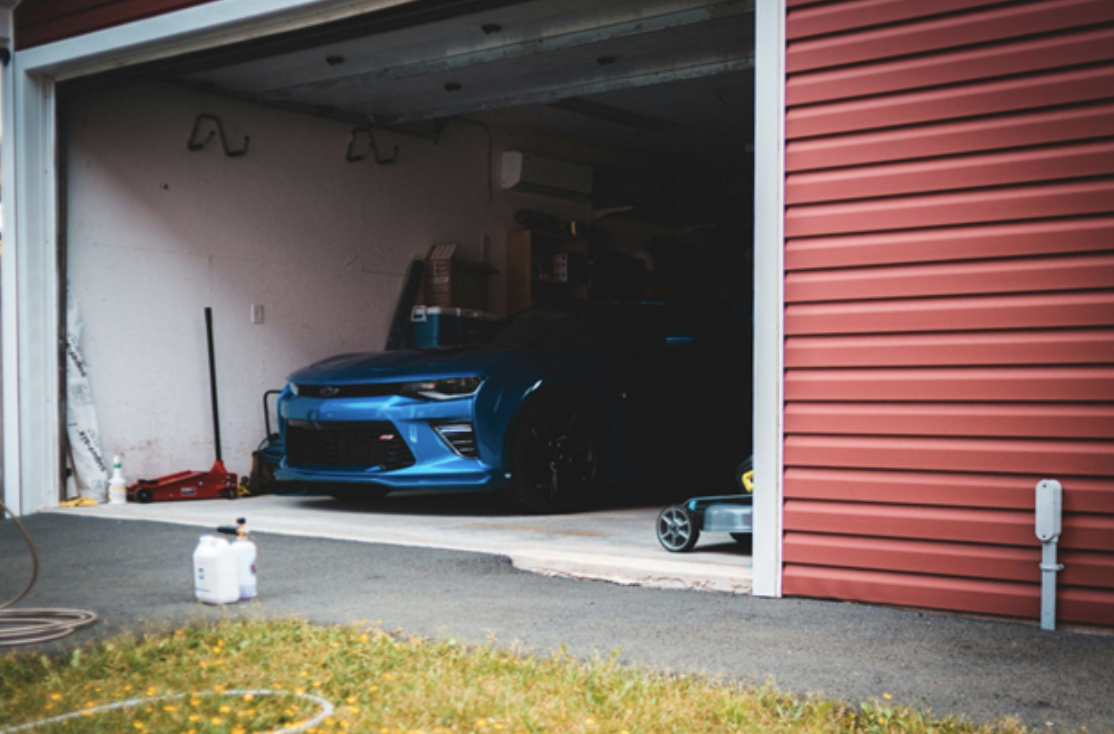
Photo by Erik Mclean on Unsplash
Modern auto projects increasingly involve electronic diagnostics, battery management systems, and performance tuning modules. Ensuring sufficient electrical capacity within the garage allows for safe operation of welders, compressors, battery chargers, and other high-demand equipment.
Dedicated circuits, surge protection, and clearly marked outlets contribute to a safer and more adaptable workspace. Compressed air systems, if installed, should be properly regulated and maintained to support pneumatic tools without pressure fluctuations.
Cleanliness and Preventive Maintenance
Maintaining a clean garage environment reduces the likelihood of contamination during mechanical work. Dirt entering open engine components or differential housings can compromise performance and longevity. Regular sweeping, wiping surfaces, and properly disposing of fluids contribute to responsible vehicle care.
Spill containment trays and fluid management containers protect flooring while supporting environmentally responsible disposal practices. These habits reinforce the long-term reliability of vehicles serviced within the space.
Planning for Future Projects
A well-equipped garage evolves over time. As skill levels increase and projects grow in complexity, additional tools and upgrades may become necessary. Planning ahead, whether by allocating space for future equipment or selecting versatile storage systems, supports scalability.
Enthusiasts who frequently modify suspension systems, perform axle work, or upgrade drivetrain components benefit from investing early in durable lifting solutions and torque-calibrated tools. Structured planning prevents repeated rearrangement and supports smoother workflow as capabilities expand.
Supporting Performance Through Prepared Workspaces
Automotive upgrades such as reinforced drivetrain components, suspension enhancements, or electrical modifications depend on proper installation and maintenance. A garage designed with organization, safety, and durability in mind supports these efforts.
By integrating structural protection upgrades like differential covers with reliable tooling and organized storage, vehicle owners create an environment that encourages precision and long-term mechanical reliability. A well-equipped garage ultimately becomes an extension of the vehicle itself, designed not only for performance, but for sustained care and thoughtful improvement.