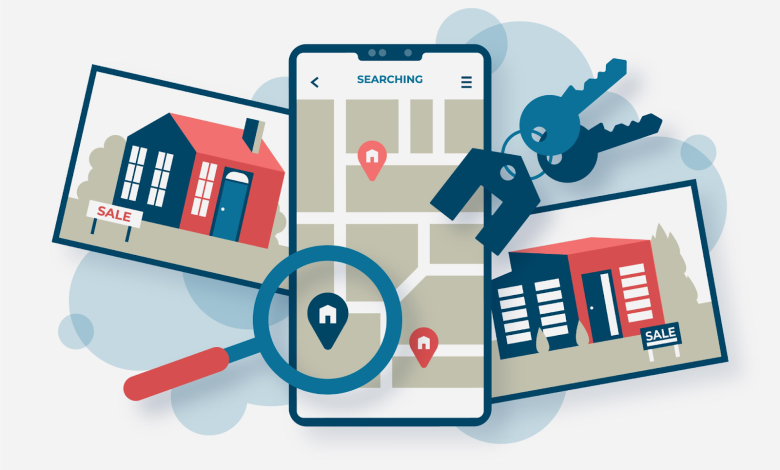
The real estate world is fast. Leads are fast, clients want answers yesterday and agents work more than a circus juggler to close deals. In this climate, Real Estate CRM isn’t simply a useful device it’s the motor that keeps the entire system humming along. As an agency owner or developer, you may find huge potential productivity gains for your business with a custom CRM. And if you’re considering building one from scratch, it’s a great place to start with knowledge of the crucial modules as well as how much development will cost.
The Importance of a Real Estate CRM in Current Times
Real estate is deeply personal. People are not just buying a piece of property – they’re making life-changing decisions. That requires agents to stay organized, responsive and connected at all times. A real estate-focused CRM can streamline processes, keep communications centralized, and bring teams to closing far below the boiling point.
With the right approach, a real estate CRM isn’t just software, but an extension of your business and an indispensable tool in your daily routine.
Modules Every Real Estate CRM Should Have
A good CRM is well-organized as well. The following are the core modules that deliver a friction-free experience and can help at any stage of your sales cycle.
1. Lead Management Module
In real estate, leads are oxygen. This unit OPCub has the function of collecting, categorize and follow up potential customers from the first contact.
A good system should:
- “Lead capture” Automatically import leads from websites, social media & marketing campaigns
- Sign up and rank leads on interest and engagement
- Segment contacts for follow-up outreach
With this, agents are never operating without cover for a lead – and they can concentrate on the most likely to close.
2. Property Listing Management
Real estate is visual. Agents should find it easy to post details, images, prices availability and updated directly.
This module should also allow:
- Quick editing of listings
- Integration with portals such as zillow / local mls etc
- Filters so you can find properties just for you (for sale/rent, price range, location and with specific features)
It all becomes a central hub where property information is kept current.
3. Client and Communication Tracking
Customers demand quick, personal communication. In one place, a CRM should warehouse every interaction calls, emails, messages and notes from meetings.
With this module, agents can:
- Track client preferences
- View communication history
- Automate reminders and follow-ups
- The result is better conversations and better relationships.
4. Task and Workflow Automation
Real estate is all about moving parts: showings, signatures on documents, contract deadlines, inspections and updates.
Automation can:
- Send reminders
- Delegate responsibilities to other team members
- Trigger follow-up based on client behaviour
This helps agents stay organized while they multitask and don’t get overwhelmed.
5. Analytics and Reporting
Data helps you grow. Suggesting: Seeing which agents perform best, which properties gain the most traction and where deals get stuck all should be visible on a reporting dashboard.
Useful features include:
- Lead conversion reports
- Sales funnels
- Revenue forecasts
Such insights transform instinct into strategy.
6. Mobile App Integration
Agents are simply too busy “working the field, rather than their desk” to read, let alone write.
A mobile-capable CRM means they will be able to check schedules, update notes, message clients and review listings right from their phone.
How Much Does Real Estate CRM Development Cost
The cost is based on complexity, features and the location of the real estate software development company. But here’s a realistic breakdown:
| Basic CRM (Without Many More Modules) | $20,000 – $40,000 | That includes lead management, listings, basic communication tracking and rudimentary dashboard. |
| Light CRM (Less Automation + Reporting) | $40,000 – $80,000 | Ideal for growing agencies. Offers automation, enhanced analytics and integrations and a sleeker UI. |
| Enterprise CRM (Full Custom System) – Ideal for Larger Companies | $80,000 – $150,000+ | Best for Big agencies with customised workflows, multi-branch management, mobile apps and deep integrations to MLS systems. |
Ongoing Costs
Don’t forget long-term expenses:
- Maintenance
- Cloud hosting
- Feature updates
- Security enhancements
Typically 15-25% of the original development cost per year.
Final Thoughts
Invest in a real estate CRM and stop treating it like another tech project. It makes your enterprise transparent, deepens client relationships and ensures that agents are confident in closing. When the right modules align though, the CRM becomes a killer system that scales with your business and pays for itself many times over. If you like, I can also write a concise, SEO-focussed or landing page text on this topic.