




You just posted a fresh set of portfolio shots on Instagram. The lighting is perfect, the mood is exactly what you wanted, and you are happily scrolling through the comments. Then you spot a message from a long-time follower. “Hey… I just saw you in an ad for some weird detox tea. Is that your new sponsor?”
You blink. You confused. You open your DMs. The fan sent a screenshot, aligning with what she has commented.
There it is. A moody, high-fashion editorial shot from a shoot you did last winter, now slapped with neon green text selling cheap supplements on a website you have never heard of. You had absolutely no idea this was happening.
When this happens, damage control comes first. You have to jump onto your social accounts, post a quick clarification, and make sure your fans don’t get scammed—because ultimately, it is your reputation on the line. But clearing your name is only step one. You cannot just sit around waiting to get hit again. Relying solely on the sharp eyes of your followers is like playing the lottery with your career. You have to seek out better methods to get ahead of these thieves. In such cases, an AI people search tool could be a vital tool in your kit, shifting you from playing defense to actively protecting your digital rights.
Why tracking your likeness requires a specialized approach
General search engines are great for finding exact image matches, but digital theft is getting far more sophisticated.
Let’s be fair to the old way of finding stolen pictures. Traditional reverse image tools are actually still very useful in certain situations. Most of the time, they scan for similarities based on the background, the lighting, or the specific clothing and styling in your picture. If a lazy merchant steals your exact portfolio shot and uploads it raw to their store, those standard tools will usually catch them red-handed.
But there is a second, much sneakier type of theft happening right now. What happens when a scammer cuts your portrait out of the original photo? What if they stitch your face onto their own promotional poster, or worse, use generative AI to completely change your clothes and background?
When the context of the photo changes that drastically, traditional search tools hit a brick wall. The software gets confused because the background pixels and the outfits no longer match the original file. This is exactly why creators need a specialized face-finding approach. An AI people search steps in to fill this gap. It provides the broad scanning power of traditional similar-image tools, but adds a crucial layer: it specifically recognizes and isolates human faces for the search, tracking you down no matter what fake digital body or background they put you on.
How an AI people search engine scans the web for your face
This is where the workflow shifts from guessing to automated, precise detection.
The mechanics behind this technology are straightforward. You don’t need to be a tech wizard or understand coding to track down who is profiting off your likeness. The system runs quietly in the background while you focus on booking your next gig.
-
Start with clarity: The absolute most crucial step when using this software is your starting image. You just upload a single photo of your face, but you must choose one where your features can be seen as clearly as possible. A clean, unobstructed headshot yields the best data.
-
The scan begins: Once you hit search, the algorithm goes to work, automatically matching across web data sources to trace your digital footprint. It moves fast, scanning through millions of indexed pages.
-
Cast a wide net: The search radius goes far beyond generic stock sites. The AI people finder digs through social media platforms, random news outlets, and public records to find exactly where your likeness pops up.
-
Face-first matching: Because the tool understands bone structure and eye spacing rather than just the background scenery, it successfully hunts down both exact and similar face photos. Even if a shady company clipped out just your face and slapped it onto a stock image of a nurse, the system can connect the dots and pull it into your results.
Using an AI people search completely upgrades your defense strategy. You aren’t randomly typing your name into search bars anymore. The machine looks specifically for your unique physical geometry across corners of the web you would never have the time to check manually.
Turning search results into quick DMCA takedowns
Knowing who stole your image is satisfying, but getting it removed is the actual goal.
A good tracking tool does not just hand you a vague list of hints and wish you luck. It gives you hard, actionable evidence. When the algorithm finishes scanning, it returns the photo and its direct source URL.
This is the exact ammunition you need to fight back. Time is money when you freelance, and you cannot afford to spend three hours arguing in the direct messages of a fake Instagram account run by a bot. Those accounts will just ignore you or block you anyway.
Instead, you bypass the thief entirely. You take that precise source URL, and you look up who hosts the website. If the stolen image is on a Shopify store, an Amazon product page, or hosted by GoDaddy, you head straight to that platform’s legal department. You file a DMCA copyright infringement notice. You attach your original, high-resolution photo to prove you own the rights. Then, you paste the exact URL showing where the theft is happening.
Platforms take DMCA notices very seriously because they don’t want to be held legally liable for hosting stolen content. When you provide clear proof and a direct link, they act fast. They force the takedown, pulling the plug on the ad or the product page. You win the dispute without ever having to exchange a single word with the person who stole your work.
Make facial recognition your monthly routine
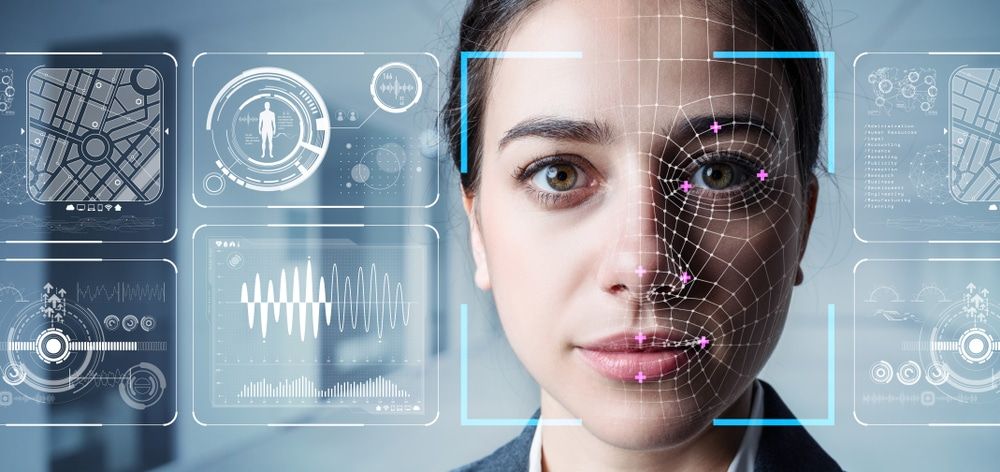
Treat your portfolio like a business inventory that needs regular auditing.
Do not wait for a random fan to tag you in a comment section before you start worrying about image theft. If one person spotted your face on a random ad, there is a very high chance it is being used in ten other places you haven’t seen yet.
You need to make this part of your regular administrative workflow, just like sending out invoices or organizing your tax receipts. Maybe on the last Friday of every month, you grab a cup of coffee and sit down at your laptop. You pick three or four of your most popular or easily commercialized headshots, and you run them through a people search AI.
The whole process takes maybe five or ten minutes. It is a tiny investment of time that pays off by keeping your brand clean. By making this a habit, you catch the unauthorized merchandise, the fake dating profiles, and the scammy endorsements early. You protect your reputation before a bad ad campaign can confuse your actual clients or damage your credibility in the industry.
Building a modern defense for your commercial value
Your face is your business, so you need to protect it like a physical asset.
Putting a watermark on your images is still a solid first step, and it certainly helps deter casual image thieves. But in a digital space where cropping or editing out a logo takes half a second with the image-editing function of AI, creators cannot rely on just one single layer of protection. You need a highly efficient backup plan. Your likeness has real commercial value. By adding an AI people search to your monthly routine, you build a much stronger safety net for your brand. It is simply about taking back control of your portfolio, ensuring that if your face is selling a product out there, you are the one getting the paycheck.