For years, “smart” fitness equipment mostly meant one thing: it could count your reps. Maybe track your heart rate. If you were lucky, it showed a clean dashboard with some charts at the end. Useful? Sure. Transformational? Not really.
What’s changed recently—and quietly—is how artificial intelligence in fitness has moved past simple tracking and into real decision-making. Today’s best AI-powered equipment doesn’t just record what you did. It learns how you move, how your body responds, and how today’s workout should be different from yesterday’s.
That’s the difference between a workout that feels generic and one that feels oddly personal. Almost like a coach who actually remembers you.
Let’s talk about what’s really going on under the hood.
From Counting Reps to Understanding Bodies
Traditional fitness machines treat everyone the same. You pick a program, set a weight, and follow instructions. If you’re tired, sore, or stronger than last week, that’s on you to adjust.
AI-driven systems flip that logic.
Modern machine learning workouts don’t just log numbers; they look for patterns. How quickly did you complete a rep? Did your speed drop halfway through the set? Was your range of motion consistent, or did it shrink when fatigue kicked in?
These details matter. And machines are surprisingly good at noticing them.
Over time, the system starts building a profile of you—not just your age and weight, but how you perform under different loads, how you recover, and where you struggle. That’s the foundation of truly adaptive exercise programs.
The Role of Real-Time Biometrics
This is where things get interesting.
Devices like Speediance and other advanced smart gyms rely on real-time biometric feedback. That can include force output, movement velocity, heart rate trends, and even micro-pauses between reps. You don’t feel like you’re being “measured,” but you are—constantly.
The AI personal trainer inside the system uses that data to answer questions in the moment:
Is this weight too light to stimulate growth today?
Is it too heavy given current fatigue?
Should the next set push intensity or back off slightly?
Instead of following a rigid plan, the workout evolves as you go. That’s data-driven fitness in action, and it’s a huge leap from pre-programmed routines.
Machine Learning Isn’t Magic—It’s Memory
There’s a misconception that AI just “knows” what to do. In reality, it learns by comparison.
Every session becomes training data. The system compares today’s performance with your past workouts and with anonymized patterns from thousands of other users. That’s how artificial intelligence in fitness improves over time—by recognizing what usually works and adjusting when it doesn’t.
Say your strength is improving faster than expected. The machine notices. Resistance increases sooner. Rest times shorten slightly. Progression speeds up.
Or maybe you’re under-recovered. Sleep was bad. Stress is high. The AI dials things down before you even realize you’re struggling. That’s the kind of subtle adjustment a human coach might make—and one a basic machine never could.
What “Adaptive” Actually Feels Like
Here’s the thing: adaptive training doesn’t feel dramatic. There’s no flashing message saying, “We’ve changed your program.”
It feels… smoother.
You finish sets thinking, That was tough, but doable. You’re challenged without being crushed. Over weeks, you notice fewer stalled plateaus and fewer days where everything feels off for no clear reason.
That’s the promise of adaptive exercise programs. Not pushing harder every time, but pushing smarter.
AI as a Personal Trainer—Without the Awkwardness
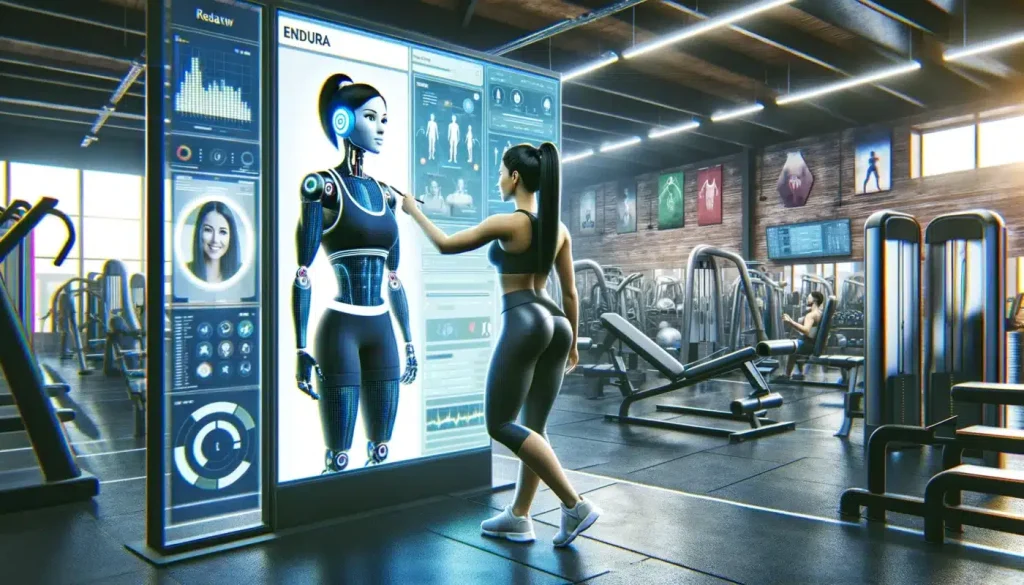 Not everyone wants a human coach watching their every move. Schedules clash. Costs add up. And let’s be honest—some days you just want to train without talking.
An AI personal trainer fills that gap surprisingly well.
It gives feedback when it matters. Adjusts when needed. And doesn’t judge when you’re clearly not at your best. It also doesn’t forget what you did last week, last month, or three training cycles ago.
That long-term memory is where machine learning shines. It’s not replacing human coaching; it’s replicating the consistency of a great coach who’s always paying attention.
Why Personalization Matters More Than Motivation
Most people don’t quit workouts because they lack motivation. They quit because the plan stops working—or hurts.
Generic programs ignore individual differences. They assume progress is linear and recovery is predictable. Real bodies don’t work that way.
Data-driven fitness respects those differences. It adapts volume, intensity, and even exercise selection based on how you respond, not how you’re supposed to respond.
That’s especially valuable for home training, where there’s no trainer walking around to correct or adjust things on the fly. AI becomes that silent safety net.
Speediance and the Shift Toward Smarter Strength
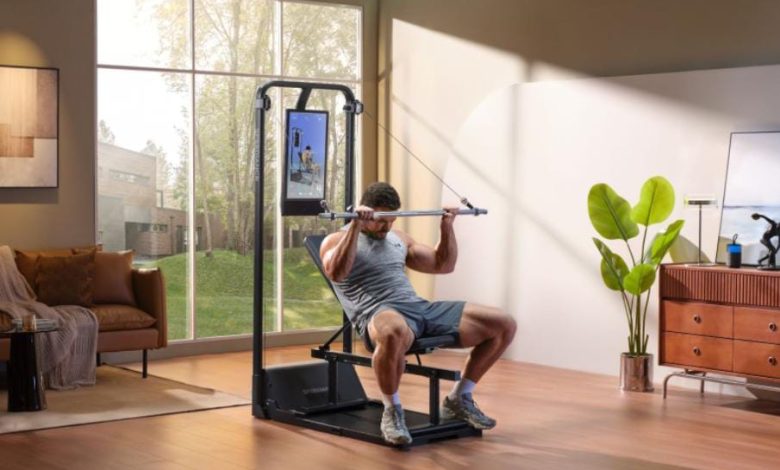
Speediance is a good example of this shift, not because it’s flashy, but because it integrates machine learning into everyday strength work. Resistance adjusts dynamically. Form feedback is subtle but useful. The system learns your limits instead of forcing you into someone else’s plan.
It’s less about novelty and more about removing friction. You spend less time guessing and more time training.
That’s where smart equipment earns its place—not as a gadget, but as a training partner that adapts as you do.
The Future of Machine Learning Workouts
We’re still early in this evolution.
As sensors improve and models get better, AI will likely predict performance dips before they happen, suggest deload weeks automatically, and tailor long-term training blocks with even more precision.
The goal isn’t perfection. It’s relevance.
When your workout feels like it was designed for today, not just for “Week 6, Day 3,” that’s when fitness becomes sustainable.
Final Thoughts: Smarter, Not Harder
The real breakthrough in artificial intelligence in fitness isn’t bigger screens or prettier apps. It’s the quiet intelligence that adapts without interrupting your flow.
When machines stop just counting reps and start understanding bodies, training changes. It becomes less about forcing progress and more about earning it—one well-adjusted session at a time.
And once you experience that kind of personalization, it’s hard to go back to anything else.