Marketers today face a serious challenge. Audiences scroll faster, attention spans keep shrinking, and competition grows heavier every quarter. Creating ads that stop people in their tracks requires more creativity and more testing than ever before. Yet very few teams have the time or resources to produce large quantities of content at the speed social platforms demand.
This is where AI becomes transformational. Recent industry data shows that brands running at least five creative variations per ad set see up to a 35 percent improvement in performance compared to those running static campaigns. AI bridges the gap by helping marketers create, refine, and test high quality ads without spending hours on production or design. The best part is that these tools make advanced ad formats accessible to marketers of all sizes, from solo entrepreneurs to enterprise teams.
If you want to increase conversions, reach more customers, and improve your return on investment, mastering the right AI powered ad formats is essential. The following list explores the five best high converting ad formats that AI can help you create, along with insights into why each format works and how brands are using them strategically.
1. Product Centric Static Ads Created With AI
Static ads remain a core part of digital marketing because they are simple, fast loading, and easy for audiences to interpret. However, the best performing static ads are those that apply strong visual principles like contrast, minimal text, and clean product focus. AI enhances this format by analyzing successful ad compositions and automatically arranging visuals in proven layouts.
Modern AI systems can take an ordinary product photo and transform it into a polished studio style ad. They can add depth, adjust shadows, enhance reflections, and place the product in realistic environments. Even brands without access to photographers can now generate ad creative that looks commercial ready.
Based on Meta’s internal marketing data, images that highlight the product in the center with clear visual hierarchy typically perform 20 to 30 percent better than cluttered or overly stylized images. AI generated static ads follow these rules automatically, which helps teams produce content that is both beautiful and engineered to convert. They are ideal for prospecting audiences as well as retargeting.
This is where a tool like Heyoz becomes especially useful. It creates high quality static ads from a simple product URL or image and applies brand colors, fonts, and layout styles automatically, making it easier for marketers to maintain consistent creative output.
2. AI Generated Carousels
Carousels are one of the most reliable high engagement formats across platforms like TikTok, Instagram, and Facebook. Audiences are drawn to multi frame storytelling because it feels interactive and naturally encourages longer viewing time. That extended engagement increases the likelihood of conversions, which is why many top performing brands use carousels as a core part of their ad strategy.
AI tools can automatically create carousels by analyzing a product description or image and then generating visually consistent frames. These tools can also adjust lighting, color grading, and layout to match brand style, which keeps the content cohesive. A study from Socialinsider showed that carousel posts on Instagram have engagement rates about 1.92 percent higher than single image posts, demonstrating their performance advantage.
Carousels are particularly effective for educational breakdowns, product benefits, before and after shots, and storytelling. AI makes it easy to turn a single concept into five to ten frames that guide viewers through a structured narrative. Because these ads encourage the user to swipe, they often signal stronger intent and can improve conversion performance.
3. AI Powered UGC Videos
Authenticity remains a powerful driver of conversions. User generated content videos consistently outperform traditional polished ads because audiences trust real voices and conversational tones more than scripted presentations. TikTok’s research shows that UGC style content leads to a 29 percent higher purchase intent compared to standard brand creative.
AI now makes it possible to create realistic UGC videos featuring lifelike actors, natural dialogue, and real world style environments. These videos can mimic reviews, product demos, unboxings, and daily life scenarios that feel genuine and relatable. For brands that cannot coordinate constant shoots with creators, AI UGC fills the gap without sacrificing authenticity.
AI generated UGC videos also allow rapid creative testing. Marketers can test different hooks, tones, and actor styles within minutes, something that would usually require a lengthy content creation process. This makes it easier to identify the narratives that resonate with different audience segments. The format is particularly effective for ecommerce, beauty, wellness, and household products where social proof drives the majority of buyer decisions.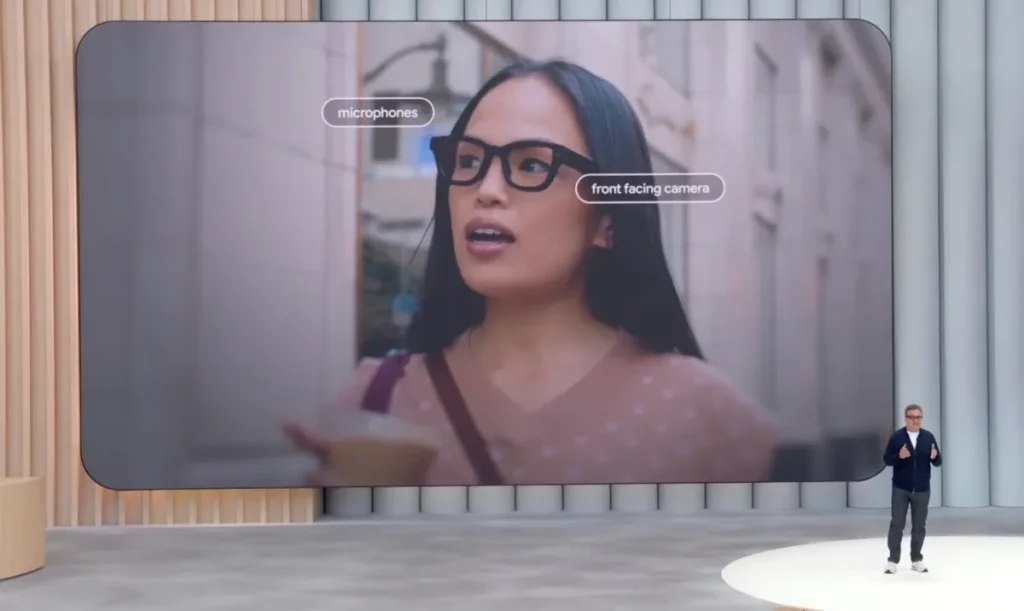
4. AI Produced Talking Head Ads
Talking head videos have become extremely popular because they are direct, engaging, and easy for viewers to absorb. They work well for testimonials, founder stories, educational content, and product explanations. Traditionally, creating a talking head video required a camera, lighting setup, and a prepared speaker. AI removes these barriers completely.
AI powered talking head generators can turn a simple script into a fully animated spokesperson video. These ads look surprisingly natural and often perform well because they combine the personal feel of UGC with the clarity of scripted messaging. Research from Wyzowl found that 88 percent of viewers say that video content has convinced them to make a purchase, and talking head formats play a major role in that statistic.
This format is especially valuable for brands selling digital products, software, or services that require explanation. AI lets marketers quickly create a human centered communication piece that builds trust and credibility. It also allows message testing through different tones, facial expressions, and speaking styles without recording new footage every time.
5. AI Driven Slideshow and Motion Graphic Ads
Slideshow ads and lightweight motion graphic videos are high converting formats because they blend the clarity of static images with the movement of video. That combination captures attention more effectively and keeps viewers engaged longer. Platforms like TikTok and Instagram favor motion content in their algorithms, which gives slideshow videos a natural performance advantage.
AI tools can transform images into dynamic slideshow videos with smooth transitions, synced captions, and on brand music. These videos are excellent for highlighting multiple product features, showing variations, or sharing step by step stories. According to internal data from multiple social platforms, short form slideshows tend to earn stronger completion rates compared to long form videos, especially when designed for quick viewing.
Slideshow ads are also one of the easiest formats for beginners to adopt. They require minimal planning and can often be made from existing assets. AI enhances them with transitions, pacing, and flow that feel professional without requiring video editing skills. This format is especially effective for ecommerce brands that want to showcase multiple items in a single piece.
Conclusion
AI has reshaped the world of creative production, allowing marketers to move faster, experiment more, and reach audiences with stronger visual storytelling. The five ad formats highlighted here all share one thing in common: they convert at higher rates because they match how people naturally consume content in 2025. Carousels guide users through a narrative. Static ads highlight product clarity. UGC and talking head videos create trust. Slideshow ads blend motion with simplicity.
With the help of AI, marketers can now produce these formats consistently without relying on expensive shoots or long production cycles. The brands that succeed this year will be the ones willing to test more angles, publish more frequently, and create ads that feel fresh and relevant to their audience.
If you need help turning this topic into additional articles, a full content series, or platform specific versions, I can create them as well.