
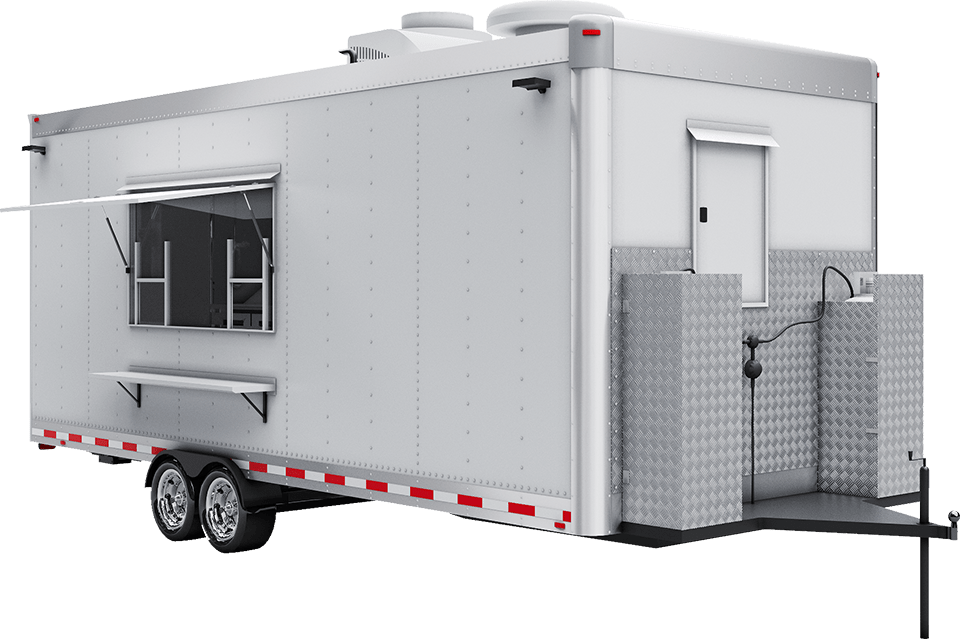
Food trailers have become one of the most popular and affordable ways to break into the food industry. While they are generally cheaper than opening a restaurant, the upfront expenses for the trailer, cooking equipment, permits, and initial setup can still add up quickly and overwhelm a new business owner. That’s where smart food trailer financing comes in.
Rather than relying entirely on personal savings, founders can explore financing options that allow them to spread costs over time. Structured funding solutions help reduce financial pressure while enabling access to better technology, skilled developers, and scalable infrastructure. With the right financial strategy, launching or scaling a tech-driven business becomes more achievable, sustainable, and less risky.
Financing allows founders to preserve working capital, maintain steady cash flow, and invest in innovation without sacrificing long-term stability.
Benefits of Financing an AI or Tech Business
Financing a food trailer offers several advantages that can help make your business easier to manage and more successful:
Lower Upfront Costs
Financing allows you to divide the cost of the trailer and equipment into manageable payments instead of a large lump sum. This reduces the strain on your savings and lets you get started sooner.
Improved Cash Flow
By using food trailer financing, you can keep more of your cash available for other essential expenses such as inventory, marketing, staff wages, fuel, and maintenance.
Build Business Credit
Regular, on-time payments help you establish and improve your business credit profile. Good credit can be invaluable when you’re ready to expand, add another unit, or upgrade your trailer.
Tax Benefits
In many cases, the interest paid on business loans and certain equipment-related expenses can be tax-deductible. This can help reduce your overall tax burden and improve your profitability.
Access to Better Equipment
Financing can give you access to higher-quality equipment and a better-built trailer than you could afford upfront. That means more reliability, faster service, and a more professional presentation.
SBA Loans for Tech Businesses
Small Business Administration (SBA) loans are often used by tech startups seeking long-term, stable financing. Because these loans are partially guaranteed, lenders may offer more favorable terms. While SBA loans offer favorable terms, navigating requirements can be complex; for a detailed breakdown of SBA 7(a), 504, and Microloan programs—including rates, terms, and eligibility for AI and tech startups—see Lendio’s SBA loans to compare options and prepare your application.
Pros:
- Lower interest rates
- Longer repayment terms
- Suitable for larger funding needs such as full product development or platform expansion
Cons:
- Lengthy application process
- Strict eligibility criteria
- Collateral may be required
- Slower approval compared to alternative lenders
Microloans for Early-Stage Tech Startups
Microloans are a useful option for startup food trailer businesses that need a relatively small amount of capital—typically between $500 and $50,000. These funds can cover initial equipment, inventory, permits, or basic trailer upgrades.
Pros:
- Easier qualification standards than many bank loans
- Faster approval processes
- More flexible credit requirements
Cons:
- Higher interest rates compared to some other products
- Shorter repayment periods, leading to higher monthly payments
Business Term Loan
Business term loans from alternative lenders can help finance larger purchases for your food trailer, such as a new unit, major renovation, or high-end cooking equipment. You receive a lump sum upfront and repay it with interest over a fixed term.
Pros:
- Faster approval than many traditional banks
- Less stringent credit requirements
- Flexible terms tailored by the lender
Cons:
- Interest rates can be higher than those of banks or SBA loans
- Repayment terms may be shorter, increasing monthly obligations
Tailored Funding for Tech and AI Companies
Many lenders and providers now offer tailored funding solutions specifically aimed at small food businesses, including trailers. These can include a mix of loans, lines of credit, leasing, and equipment financing. Exploring customized options helps you match the right financing product to your specific needs, goals, and stage of growth.
Equipment and Technology Loans
An equipment loan allows food trailer owners to finance the specific items they need—like commercial appliances, generators, or even the trailer itself—by borrowing the funds and then repaying them over time.
Pros:
- You build equity in the equipment from day one
- Once the loan is fully repaid, you own the equipment outright
- Often comes with lower interest rates than unsecured financing
- The equipment itself can serve as collateral
Cons:
- A down payment is commonly required
- If you default on the loan, the lender can repossess the equipment
How to Secure Financing for an AI or Tech Startup
- Research Market Costs. Start by researching the typical price of food trailers in your area, including the cost of customization, licensing, and health department approvals. Don’t forget ongoing needs like inventory, commissary fees, parking, and utilities. A clear picture of your expenses will help you choose the best food trailer financing option.
- Calculate Food Trailer Costs. Create a detailed budget that covers both startup costs (trailer, equipment, permits, branding) and ongoing costs (inventory, fuel, insurance, repairs, staff). Use a spreadsheet or financial tool to track everything and include a safety buffer for unexpected expenses.
- Make a Business Plan. Develop a solid business plan that outlines your concept, menu, pricing, target market, and marketing strategy. Include financial projections, such as revenue forecasts, expense estimates, and break-even analysis. Lenders will review this plan to assess how you intend to use the funding and how you’ll generate enough cash flow to repay it.
- Determine Your Credit Worthiness. Check both your personal and business credit scores. Lenders rely on these scores to determine your risk profile and interest rate. A higher score usually means better terms. If necessary, pay down debts and correct any errors on your credit report before applying.
- Evaluate Food Trailer Financing Options. Compare banks, alternative lenders, government-backed programs, and specialty providers. Look at interest rates, fees, repayment schedules, and flexibility. Make sure to read reviews and understand the reputation of each lender before committing.
- Know the Loan Qualification Requirements. Most lenders will consider your credit score, annual revenue (or projections for startups), length of time in business, and overall financial stability. Be prepared to show a strong business plan and realistic projections.
- Gather Financial Documents. Collect and organize key documents such as tax returns, bank statements, profit-and-loss statements, and personal financial information. Having these ready will speed up the approval process and demonstrate that you’re serious and prepared.
- Submit Your Application and Review the Terms. After choosing the best option, submit your application and carefully review all loan terms, including interest rate, repayment schedule, fees, and any prepayment penalties. If you’re new to financing, consider consulting a financial advisor or funding specialist to help you understand every detail before signing.