



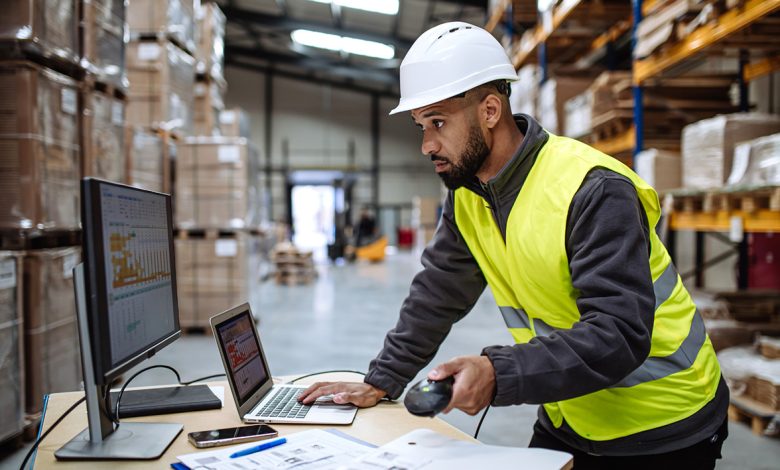
Reverse logistics has become an essential part of modern supply chains, covering processes such as product returns, repairs, recycling, refurbishment, and product recovery. As eCommerce and global distribution networks continue to expand, businesses are handling increasing volumes of returned and reusable goods, making reverse logistics critical for both customer satisfaction and sustainability efforts. Industry forecasts estimate that the global reverse logistics market could surpass $1.2 trillion by 2027, driven largely by rising online retail returns and stricter environmental regulations.
At the same time, reverse logistics is becoming far more complex. Companies must coordinate multiple stakeholders, track products across various return channels, manage inventory visibility, and ensure efficient disposal or recovery processes. Manual workflows and disconnected systems often lead to delays, higher operational costs, and limited transparency across the supply chain.
To address these challenges, businesses are increasingly adopting technology-driven solutions such as reverse logistics software to automate workflows, improve tracking accuracy, and optimize return management. Advanced technologies including AI, predictive analytics, IoT, and cloud-based platforms help organizations streamline operations, reduce waste, and turn reverse logistics from a cost center into a strategic advantage.
Common Reverse Logistics Challenges
As reverse logistics operations continue to grow, businesses face increasing pressure to manage returns, repairs, recycling, and product recovery efficiently. Unlike traditional supply chains, reverse logistics involves unpredictable product flows, multiple handling stages, and complex coordination between warehouses, carriers, and customer service teams. Without the right processes and technology, these challenges can quickly lead to rising costs, operational inefficiencies, and poor customer experiences.
Managing High Volumes of Product Returns
The rapid growth of eCommerce has significantly increased return volumes, especially in industries like fashion, electronics, and consumer goods. Processing thousands of returned items daily requires efficient sorting, inspection, restocking, or disposal workflows. Many businesses still rely on manual processes, which slow operations and increase the risk of errors. Seasonal demand spikes and promotional campaigns can further overwhelm logistics teams if systems are not designed to scale.
Lack of Real-Time Visibility
One of the biggest challenges in reverse logistics is limited visibility across the return journey. Companies often struggle to track where returned products are located, their condition, or how long they remain in processing stages. Without real-time data, businesses face delays in issuing refunds, replenishing inventory, or identifying operational bottlenecks. This lack of transparency also makes forecasting and planning far more difficult.
Inefficient Inventory Tracking and Warehouse Coordination
Returned products require separate handling from outbound inventory, creating additional complexity inside warehouses. Businesses may struggle with inaccurate stock levels, misplaced items, or delayed restocking due to disconnected inventory systems. Poor coordination between warehouses, distribution centers, and transportation providers can result in longer turnaround times and unnecessary operational costs.
Rising Transportation and Operational Costs
Reverse logistics can be significantly more expensive than forward logistics because products move in smaller, less predictable volumes. Businesses must manage return shipping, inspections, repackaging, repairs, and disposal processes, all of which increase operational expenses. Fuel price fluctuations, labor shortages, and inefficient routing strategies further contribute to growing transportation costs.
Sustainability and Compliance Challenges
Modern businesses are under increasing pressure to reduce waste and comply with environmental regulations. Managing recycling, refurbishment, and disposal responsibly requires clear processes and accurate reporting. Companies operating across multiple regions may also face different compliance standards related to electronic waste, packaging, or product disposal, making reverse logistics even more complex.
Customer Dissatisfaction from Slow Processing
Customers increasingly expect fast, transparent, and hassle-free returns. Delays in refund approvals, poor communication, or complicated return procedures can quickly damage brand reputation and reduce customer loyalty. Businesses that fail to provide efficient return experiences risk losing repeat customers to competitors offering more convenient processes.
Key Impacts of Reverse Logistics Challenges
- Increased operational and transportation costs
- Reduced inventory visibility and forecasting accuracy
- Slower return processing and delayed refunds
- Higher risk of inventory losses and warehouse inefficiencies
- Difficulty meeting sustainability and compliance goals
- Negative customer experiences and lower retention rates
As reverse logistics becomes more central to supply chain operations, businesses must modernize their processes to remain competitive. Addressing these challenges requires better visibility, automation, integration, and data-driven decision-making to ensure returns are handled efficiently and cost-effectively.
How Technology Helps Solve Reverse Logistics Issues
Technology has become a critical enabler for businesses looking to improve the efficiency, visibility, and scalability of reverse logistics operations. As return volumes increase and supply chains become more complex, manual processes are no longer sufficient to handle the speed and coordination required. Modern digital solutions help companies automate workflows, improve tracking accuracy, reduce operational costs, and deliver better customer experiences throughout the return lifecycle.
Automation for Faster Returns Processing
Automation significantly reduces the time and effort required to process returns. Automated workflows can handle return approvals, generate shipping labels, update inventory records, and initiate refunds without manual intervention. This minimizes delays, reduces administrative workloads, and improves consistency across the entire returns process. Businesses can also create predefined rules for different product categories, return conditions, or warranty policies, ensuring faster and more accurate decision-making.
Real-Time Tracking and Inventory Visibility
Integrated reverse logistics systems provide real-time visibility into product movement across warehouses, transportation networks, and return centers. Companies can instantly track the status, location, and condition of returned products, helping teams make faster operational decisions. Real-time inventory updates also reduce the risk of overstocking, misplaced items, or delayed restocking, improving warehouse efficiency and inventory accuracy.
AI and Analytics for Smarter Decision-Making
Artificial intelligence and advanced analytics help businesses identify return patterns, predict demand fluctuations, and optimize reverse logistics operations. AI-driven systems can detect recurring product issues, forecast seasonal return spikes, and recommend process improvements based on historical data. Predictive analytics also support better inventory planning, helping companies reduce waste and improve resource allocation.
Integration Between Warehouse and Transportation Systems
Seamless integration between warehouse management systems (WMS) and transportation management systems (TMS) improves coordination across the reverse supply chain. Integrated platforms enable automated shipment scheduling, route optimization, and synchronized inventory updates between facilities. This reduces operational bottlenecks, shortens turnaround times, and lowers transportation costs by improving logistics planning and resource utilization.
IoT and Barcode/RFID Technologies
IoT devices, barcode scanners, and RFID technologies improve product traceability and accuracy throughout the return journey. These technologies allow businesses to automatically capture product data during receiving, inspection, repair, or restocking processes. RFID tags and IoT sensors also help monitor product conditions, reducing the likelihood of lost inventory and enabling more accurate tracking across multiple facilities.
Cloud-Based Platforms for Scalability and Collaboration
Cloud-based reverse logistics platforms provide the flexibility needed to scale operations as return volumes grow. These systems centralize data and allow teams across warehouses, customer service, transportation, and management departments to collaborate in real time. Cloud solutions also support remote access, faster system updates, and easier integration with third-party tools or partners, improving overall operational agility.
Key Benefits of Technology in Reverse Logistics
- Faster and more automated return processing
- Improved real-time inventory visibility and tracking accuracy
- Lower transportation and operational costs
- Better forecasting through AI and predictive analytics
- Enhanced warehouse coordination and logistics efficiency
- Greater scalability and cross-team collaboration
- Improved customer experience through faster refunds and transparency
By leveraging automation, AI, IoT, and cloud technologies, businesses can transform reverse logistics into a more efficient, data-driven, and customer-focused operation. Technology not only solves operational challenges but also helps organizations improve sustainability, reduce waste, and gain a stronger competitive advantage in increasingly complex supply chains.
Building Smarter Reverse Logistics Systems
As reverse logistics operations become more complex, businesses need intelligent, scalable systems that can manage returns, repairs, recycling, and inventory recovery efficiently. Modern reverse logistics software helps organizations automate workflows, improve visibility, and reduce operational costs while maintaining a smooth customer experience. Choosing the right technology is essential for building a flexible and future-ready reverse logistics ecosystem.
Key Features of Effective Reverse Logistics Software
Businesses should look for solutions that provide end-to-end visibility and automation across the return lifecycle. The most effective platforms typically include:
- Automated return authorization and approval workflows
- Real-time inventory and shipment tracking
- Integrated warehouse and transportation management capabilities
- Analytics dashboards and reporting tools
- AI-powered forecasting and return pattern analysis
- Barcode, RFID, or IoT-based product tracking
- Customer self-service portals for return requests and status updates
- Cloud-based infrastructure for scalability and remote accessibility
These features help businesses streamline operations, reduce manual work, and improve accuracy throughout the reverse supply chain.
The Importance of System Integration
A reverse logistics platform cannot operate effectively in isolation. Integration with ERP, CRM, and eCommerce systems is critical for maintaining consistent data flow across departments and supply chain partners. ERP integration ensures accurate inventory and financial tracking, while CRM connectivity improves customer communication and service management. Integration with eCommerce platforms allows businesses to automate return requests, refund processing, and order synchronization in real time.
Connected systems eliminate data silos and improve visibility, enabling teams to make faster, more informed decisions. They also reduce duplicate data entry and operational delays, improving both internal efficiency and customer satisfaction.
Why Custom Software Solutions Matter
Every business has unique operational requirements, workflows, and compliance obligations. Off-the-shelf software may not always support complex return processes, multi-location logistics networks, or industry-specific needs. Custom reverse logistics solutions allow companies to build workflows tailored to their operations, integrate specialized tools, and scale functionality as the business grows.
Custom platforms can also support advanced automation, personalized reporting, and flexible integrations that align with evolving business goals. This level of adaptability is particularly valuable for organizations managing high return volumes, international operations, or sustainability-focused recovery processes.
COAX Software specializes in custom logistics software development, helping businesses design scalable and efficient reverse logistics systems tailored to their operational requirements. With advanced integrations, automation, and centralized data visibility, custom solutions help organizations optimize return management, improve operational efficiency, and build more resilient supply chain processes.
Turning Returns Into Opportunities
Reverse logistics has evolved from a secondary supply chain function into a critical business operation that directly impacts costs, customer satisfaction, and sustainability efforts. Challenges such as rising return volumes, limited visibility, inefficient inventory management, and increasing operational expenses can create significant pressure on businesses if not managed effectively. However, modern technologies — including automation, AI-driven analytics, IoT tracking, cloud platforms, and integrated logistics systems — provide the tools needed to overcome these obstacles and streamline reverse logistics processes.
By investing in smarter logistics technology, businesses can transform returns from an operational burden into a strategic advantage. Improved visibility, faster processing, better inventory coordination, and data-driven decision-making help reduce costs while enhancing the customer experience through quicker refunds and more transparent return processes. At the same time, sustainable reverse logistics practices support regulatory compliance and environmental goals, helping companies build stronger, future-ready supply chains.