In an era where visual communication dominates digital platforms, the demand for high-quality imagery has never been greater. From social media and e-commerce to personal storytelling and branding, compelling visuals drive engagement and shape perception. However, traditional photo editing tools often require time, technical knowledge, and creative expertise. Image to Image AI is transforming this landscape by enabling users to enhance and transform images quickly, intelligently, and creatively.
Rather than creating visuals from scratch, image to image AI works by analyzing an existing photo and generating an improved or stylized version while preserving its core structure. This approach allows users to refine images, explore creative styles, and produce professional-quality visuals with minimal effort.
What Is Image to Image AI?
Image to Image AI refers to artificial intelligence systems designed to transform one image into another while maintaining the original composition. These systems understand visual elements such as lighting, texture, depth, and structure, enabling them to apply precise enhancements and stylistic changes.
Common capabilities include:
- Improving lighting and color balance
- Removing noise and sharpening details
- Converting artistic styles
- Replacing or simplifying backgrounds
- Upscaling image resolution
- Restoring damaged or faded photos
Because the original image remains the foundation, results often appear natural and visually coherent.
How Image to Image AI Works
Modern AI image transformation tools rely on deep learning models trained on vast collections of visual data. These models learn patterns in color, texture, and composition, allowing them to recreate realistic enhancements.
Typical workflow:
- Upload an Image
The AI analyzes structure, objects, and lighting. - Select Enhancements or Enter Instructions
Users can choose filters or describe desired changes. - AI Processing
The system applies learned visual transformations. - Generate Output
A refined, stylized, or enhanced image is produced.
This process takes seconds, dramatically reducing editing time compared to manual workflows.
Animate Image AI: Bringing Still Images to Life
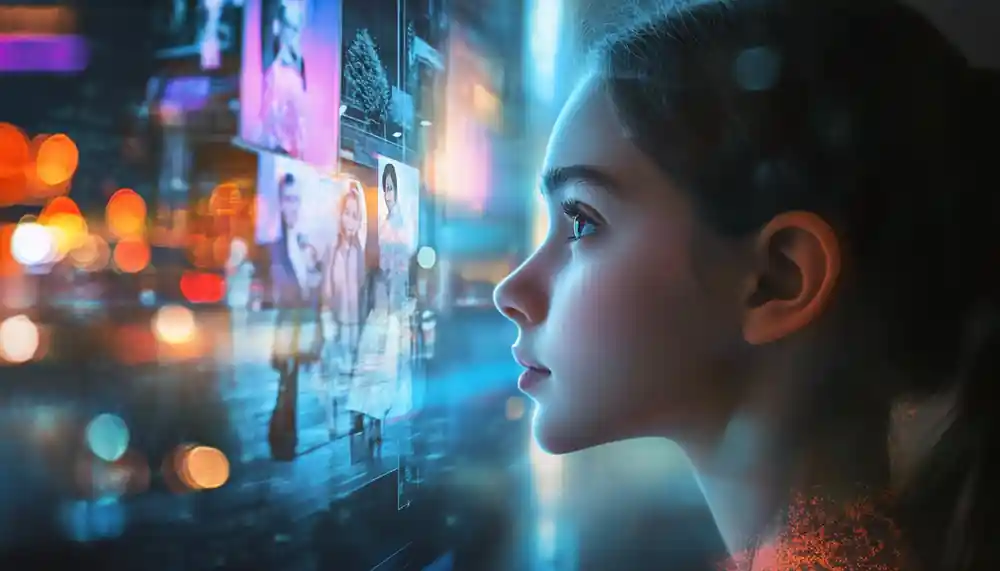
One of the most exciting developments in visual technology is Animate Image AI which adds natural motion to still photos. Instead of remaining static, images can display subtle micro-movements such as blinking eyes, gentle head motion, or softly moving backgrounds.
These movements enhance emotional connection and visual realism without requiring full video production.
Popular uses include:
- Creating engaging social media content
- Enhancing website hero visuals
- Digital storytelling and memorial tributes
- Marketing visuals with improved viewer engagement
Animate Image AI offers a middle ground between still photography and video, providing motion with simplicity.
AI Image Editor with Prompt: Editing Images Using Words
A major innovation in AI-powered creativity is the AI Image Editor with Prompt, which allows users to edit images using natural language. Instead of adjusting complex tools or settings, users simply describe what they want.
Example prompts:
- “Turn this photo into a watercolor painting”
- “Replace the background with a snowy mountain scene”
- “Add cinematic lighting and warm tones”
- “Transform into a futuristic neon city style”
The AI interprets these instructions and performs the edits automatically.
Advantages of prompt-based editing:
✔ Eliminates technical barriers
✔ Speeds up editing workflows
✔ Encourages creative experimentation
✔ Makes advanced editing accessible to everyone
This intuitive method is reshaping how people interact with visual editing tools.
Practical Applications of Image to Image AI
📱 Social Media Enhancement
Transform everyday photos into attention-grabbing visuals.
🛍️ E-commerce Optimization
Improve product images with clean backgrounds and professional lighting.
🎨 Creative Projects
Experiment with artistic styles and branding visuals.
🧓 Photo Restoration
Enhance clarity and detail in older or damaged photos.
🌐 Website & Marketing Design
Produce modern visuals that align with digital user expectations.
Why Image to Image AI Is Growing in Popularity
Several factors are accelerating adoption:
- Rising demand for visual content
- Increasing need for fast production workflows
- Accessibility for non-designers
- Cost efficiency compared to traditional editing
- Integration with animation and video tools
As visual standards continue to rise, AI tools help creators keep pace.
Tips for Achieving Better Results
To get the most out of image transformation tools:
✔ Use high-resolution images whenever possible
✔ Provide clear instructions when using prompts
✔ Experiment with multiple styles and refinements
✔ Avoid excessive enhancement to maintain realism
✔ Combine enhancement with subtle animation for greater impact
Small refinements can significantly improve the final output.
The Future of Image Transformation Technology
Image to image AI is evolving rapidly. Future developments may include:
- Real-time transformation previews
- Hyper-realistic animation from still photos
- Personalized AI style learning
- Seamless integration with video creation tools
- Voice-based or gesture-driven editing
As these innovations mature, the boundaries between photography, design, and animation will continue to blur.
Final Thoughts
Image to Image AI is redefining how we enhance and transform photos. By automating complex edits and enabling creative styling, it empowers individuals and businesses to produce high-quality visuals quickly and efficiently.
With Animate Image AI, still images can gain subtle motion that increases engagement and emotional depth. Meanwhile, an AI Image Editor with Prompt simplifies editing by allowing users to describe changes using natural language.
Together, these technologies represent a more accessible and intelligent future for visual creation — one where powerful design capabilities are available to anyone with an image and an idea.