Digital transformation has evolved from a strategic ambition to an operational necessity. Enterprises across industries are modernizing legacy systems to enhance agility, resilience, and scalability. At the centre of this shift is cloud migration, a foundational step that enables organizations to transition from traditional infrastructure to dynamic, on-demand environments.
Yet migration alone does not guarantee modernization. Many organizations that move workloads to the cloud without a clear strategy encounter cost overruns, performance bottlenecks, and security gaps. This has led to a growing emphasis on AI-powered approaches that introduce intelligence, automation, and predictive insights into cloud migration initiatives.
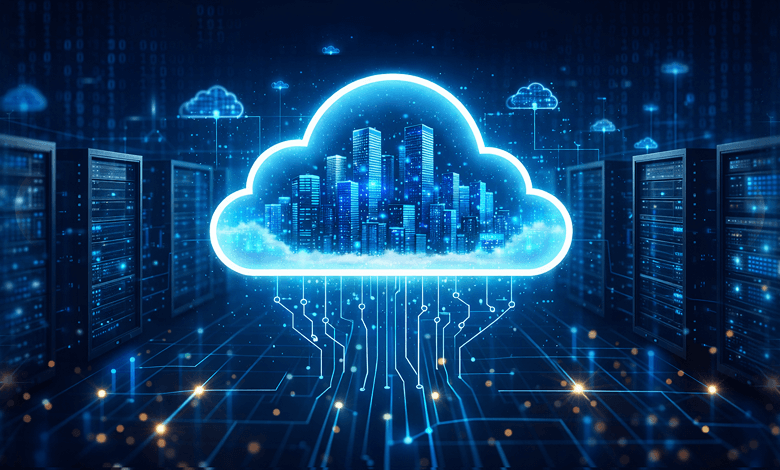
AI-powered cloud migration integrates data-driven decision-making into every phase of the journey. From workload assessment to post-migration optimization, artificial intelligence enhances visibility and reduces uncertainty. Modern enterprises are increasingly investing in resilient cloud infrastructure environments that support automated governance, real-time monitoring, and performance tuning at scale.
The Shift from Traditional to Intelligent Cloud Migration
Traditional cloud migration strategies often relied on manual audits and static planning frameworks. While these approaches worked for small-scale transitions, they struggle to address today’s complex hybrid and multi-cloud ecosystems. The scale and interdependency of enterprise applications demand a more adaptive and analytical model.
AI-powered cloud migration leverages machine learning algorithms to analyze infrastructure dependencies and recommend optimal migration pathways. Instead of relying solely on manual estimations, organizations gain actionable insights based on usage patterns, system performance, and historical data. This reduces risk and enables more accurate planning.
Automation further enhances execution by minimizing human error. AI-powered tools can orchestrate workload movement, validate configurations, and ensure compliance with predefined governance policies. As a result, enterprises experience smoother transitions and faster time to value.
Enhancing Visibility and Risk Management
One of the most significant challenges in cloud migration is limited visibility into legacy environments. Enterprises often operate hundreds of interconnected applications, making it difficult to predict how changes will impact performance. AI-powered analytics provide a holistic view of infrastructure dependencies and usage behaviors.
Predictive modelling enables organizations to anticipate potential disruptions before they occur. By analyzing historical data and system trends, AI can identify workloads that require re-architecting rather than simple migration. This proactive approach significantly reduces downtime and operational risk.
Security is another critical dimension. AI-powered cloud migration platforms continuously monitor configurations and detect anomalies in real time. This ensures that compliance standards and security policies remain intact throughout the transition process.
Cost Optimization Through Intelligent Automation
Cost management remains a primary concern during and after cloud migration. Without proper governance, organizations may overspend on compute resources or underutilize allocated capacity. AI-powered systems analyze consumption patterns to recommend right-sizing strategies and optimal resource allocation.
Dynamic scaling capabilities allow workloads to adjust automatically based on demand. This eliminates inefficiencies associated with static provisioning models. Enterprises can align infrastructure spending with actual business requirements.
In addition, AI-powered forecasting tools provide long-term cost projections. By identifying trends in resource usage, organizations gain greater financial predictability. This strengthens budgeting accuracy and improves overall return on investment.
Accelerating Application Modernization
Cloud migration is often the first step toward broader application modernization. AI-powered insights help organizations determine whether to rehost, refactor, replatform, or rebuild applications. This data-driven evaluation supports more strategic modernization decisions.
Legacy systems frequently contain redundant or outdated components. AI-powered discovery tools identify inefficiencies and recommend consolidation opportunities. This reduces technical debt while improving system performance.
Moreover, AI-powered testing frameworks automate validation processes during migration. Continuous monitoring ensures that applications function optimally in new environments. This shortens deployment cycles and enhances operational reliability.
Strengthening Governance and Compliance
As enterprises scale across cloud environments, governance becomes increasingly complex. AI-powered cloud migration introduces automated compliance checks that align with regulatory standards and internal policies. These checks operate continuously rather than as one-time assessments.
Policy-driven automation enforces configuration standards and access controls across environments. This minimizes configuration drift and enhances operational consistency. Enterprises can maintain transparency and accountability throughout the migration lifecycle.
Real-time reporting capabilities further support governance objectives. Decision-makers gain access to dashboards that highlight performance metrics, risk indicators, and compliance status. This enables informed oversight and strategic alignment.
Supporting Hybrid and Multi-Cloud Strategies
Many organizations adopt hybrid or multi-cloud models to avoid vendor lock-in and increase flexibility. Managing these environments manually can create operational silos and visibility gaps. AI-powered cloud migration tools unify oversight across diverse platforms.
By analyzing workload characteristics, AI can recommend the most suitable environment for each application. Some workloads may benefit from public cloud scalability, while others require private cloud security controls. Intelligent placement ensures optimal performance and cost efficiency.
Continuous optimization capabilities allow enterprises to rebalance workloads as business needs evolve. This adaptability is essential in dynamic market conditions. AI-powered automation ensures that infrastructure remains aligned with strategic objectives.
Improving Operational Resilience
Resilience is a core objective of enterprise modernization. AI-powered cloud migration strengthens resilience by detecting anomalies and responding to issues in real time. Automated remediation workflows minimize disruption and accelerate recovery.
Disaster recovery planning also benefits from predictive analytics. AI models simulate failure scenarios and evaluate response effectiveness. Organizations can refine continuity strategies based on data-backed insights.
Furthermore, AI-powered monitoring enhances system health management post-migration. Continuous analysis identifies emerging risks and optimization opportunities. This transforms cloud migration from a one-time event into an ongoing improvement cycle.
Enabling Data-Driven Decision-Making
Cloud environments generate vast amounts of operational data. Without advanced analytics, much of this information remains underutilized. AI-powered cloud migration harnesses this data to inform both technical and strategic decisions.
Advanced dashboards provide actionable intelligence on workload performance, security posture, and cost efficiency. Leaders can evaluate migration progress against predefined benchmarks. This transparency fosters accountability and measurable outcomes.
Data-driven insights also guide future innovation initiatives. As enterprises expand digital capabilities, AI-powered infrastructure supports experimentation and rapid scaling. The cloud becomes a platform for continuous innovation rather than static hosting.
The Future of Enterprise Modernization
AI-powered cloud migration represents a significant evolution in enterprise technology strategy. It shifts the focus from merely relocating workloads to building intelligent, adaptive infrastructure ecosystems. Organizations that embrace this approach gain improved agility, stronger governance, and enhanced operational efficiency.
As digital transformation accelerates, the integration of artificial intelligence into cloud strategies will become increasingly standard. Enterprises will rely on predictive insights and automated orchestration to navigate complexity. This will redefine how modernization initiatives are planned and executed.
Ultimately, AI-powered cloud migration enables organizations to align technology investments with long-term business objectives. By embedding intelligence into infrastructure decisions, enterprises create scalable foundations for growth. In an increasingly competitive landscape, this intelligent approach to cloud migration is emerging as a defining characteristic of modern enterprise success.