Imagine this: a perfume bottle gliding across a glowing surface, a sneaker rotating in slow motion, or a handmade candle flickering softly while text fades in all from a single photograph.
What used to take an entire video team, lighting setup, and a day of shooting can now be done with one smart click thanks to AI-driven design tools.
For small e-commerce sellers, boutique brands, and local businesses in India, this isn’t science fiction, it’s the new marketing revolution. AI photo-to-video tools are helping creators transform still images into short, high-impact visual stories that stop the scroll and drive sales.
The magic lies not just in automation, but in intention understanding how to use design, motion, and technology to communicate emotion. Let’s explore how this shift is transforming the future of online selling.
1. The Attention Economy: Why Motion Matters
In a digital world flooded with visuals, motion is the new magnet. Studies show that video content gets up to 1200% more engagement than static posts. Why? Because movement catches the human eye faster than text or photos.
When someone scrolls through Instagram or watches a product reel on Amazon, your visual gets about 1.7 seconds of attention. That’s your window. A moving image, a zoom, a fade, a spin can hold that gaze just long enough to spark interest.
For e-commerce businesses, that tiny pause can mean the difference between a lost scroll and a sale.
Example: A small jewelry store in Jaipur started animating its product packshots using AI video tools. Instead of posting plain photos, they created elegant looping videos with gentle sparkle effects. Within weeks, their engagement increased by 80%, and sales inquiries rose noticeably.
The takeaway? Motion isn’t just aesthetic, it’s persuasive.
2. From Static to Cinematic: The Rise of AI Photo-to-Video Tools
A few years ago, creating professional product videos meant hiring videographers or mastering After Effects. Today, AI has simplified that process.
Tools can analyze your product photo, detect the subject, and automatically animate it adding subtle camera moves, reflections, or zooms. You upload one image, and the software brings it to life.
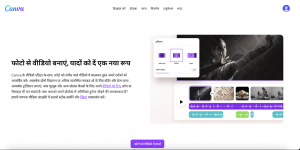
That’s where the power of a photo se video banane wala app truly shines. Platforms like Canva have built intuitive AI features that turn a simple static image into a professional-looking micro-ad. You can adjust angles, add text overlays, integrate music, and even use branded templates all without technical know-how.
For small business owners, this isn’t just convenience, it’s empowerment. They can now create product videos that look like high-budget campaigns, right from their phone.
3. Why AI-Generated Micro-Ads Work for Small Businesses
AI doesn’t just automate, it amplifies. Here’s why photo-to-video micro-ads are outperforming traditional formats:
- They’re short and snappy. Most successful online ads are under 10 seconds long, perfect for Instagram, YouTube Shorts, and Facebook Stories.
- They’re budget-friendly. You don’t need to hire models, rent a studio, or buy expensive lighting.
- They’re personalized. You can tweak the tone, color palette, and motion to suit your brand’s personality.
- They convert faster. A product shown in motion helps buyers visualize how it looks in real life.
Example: A Delhi-based skincare brand turned its flat bottle shots into animated explainer videos using AI tools. The results were stunning, their click-through rate doubled, and the brand reported a 30% drop in ad costs because they no longer relied on outsourced video production.
Smart, agile, and AI-assisted that’s the new definition of competitive marketing.
4. Design Meets Intelligence: How AI Is Changing the Creative Process
AI has moved beyond being a helper it’s now a co-designer.
In e-commerce, design is no longer limited to aesthetics; it’s strategic.
AI tools can now:
- Identify the main product in a frame.
- Suggest matching backgrounds and lighting conditions.
- Recommend color tones that align with your brand.
- Even analyze customer engagement data to optimize design layout.
In short: AI helps you create faster, smarter, and with more precision.
A traditional designer might spend hours crafting a layout for a product post; AI can generate a dozen versions in seconds letting you focus on storytelling rather than repetitive edits.
And this collaboration between human creativity and machine intelligence is what makes design in 2025 so exciting.

5. The Role of Backgrounds: Clarity Is the New Luxury
Visual clutter is the enemy of good design. When backgrounds are messy or inconsistent, even the best product can look unprofessional. That’s why background editing and isolation remain at the heart of photo-to-video creation.
Removing distractions focuses the viewer’s attention on what matters most your product.
Example: A Mumbai-based furniture brand used to photograph sofas in crowded showrooms. After switching to clean, AI-removed backgrounds, their catalog looked instantly more premium. When they animated those same photos into rotating product videos, sales inquiries rose by 45%.
With tools like Canva, background removal is now automatically powered by AI. It detects edges, refines details, and delivers a studio-grade look instantly. For small businesses, that’s design power at their fingertips.
6. Bringing Products to Life: The Storytelling Advantage
A product video shouldn’t just show what something looks like it should tell what it feels like. That’s where AI-assisted storytelling enters the picture.
By combining animation, text, and music, you can create emotion in seconds.
Here’s a simple framework for product storytelling:
- Hook: Start with movement or curiosity (“Ever seen a bag that carries confidence?”).
- Reveal: Show the product in action spin, zoom, or motion transition.
- Emotion: Use light background music or sound effects.
- Call to Action: End with text like “Shop Now” or “Limited Edition Drop.”
Example: A homegrown sneaker brand from Hyderabad used this storytelling format for its online ads. Instead of static catalog photos, they used short, looping AI videos that showed sneakers in motion paired with trendy soundtracks. Their conversion rate rose 50% in two months.
When design tells a story, your product stops being an object; it becomes an experience.
7. Two Sample AI-Enhanced Marketing Ideas You Can Try
To help you get started, here are two real, actionable content ideas you can apply right now:
Sample 1: “Before & After” Product Animation
Take a simple product photo (say, a cosmetic bottle or gadget).
- Use an AI tool to clean the background.
- Add subtle movement, a zoom or rotation.
- Overlay text like: “Same Product. Smarter Presentation.”
Post it as a quick reel or story. It looks professional and instantly positions your brand as design-forward.
Sample 2: “Mini Unboxing Ad”
Record a hand opening a box and overlay your AI-animated product photo at the end.
Add captions like:
“You don’t need a studio. Just smart design.”
Combine motion and emotion the two drivers of purchase decisions online.

8. Blending AI with Human Creativity: The Future of E-commerce Design
There’s a misconception that AI replaces creativity. In reality, it enhances it.
AI gives creators technical efficiency, but humans provide emotional intelligence.
Small businesses that embrace this blend can compete directly with big brands because they’re faster, more agile, and more authentic.
In India, where e-commerce is expected to surpass $200 billion by 2026, brands that adapt to AI-driven design trends will have a massive edge.
Whether you’re selling handmade candles in Jaipur or camera accessories in Bangalore, leveraging AI tools for visuals is no longer optional, it’s essential.
9. Real-World Example: The Local Brand That Went Viral
Let’s make it tangible.
A small lifestyle brand from Surat used AI photo-to-video technology to animate its handmade bags. The founder, who had no design background, learned to use Canva templates for video creation.
By combining motion effects, soft background music, and color grading, her videos started looking like full-scale ad campaigns. She used those clips in WhatsApp catalogs and Instagram ads and one went viral, reaching over 100,000 views organically.
Within six months, her brand saw a 60% rise in online orders. No agencies, no film crew, just creativity powered by accessible AI.
Conclusion: When Technology Meets Imagination
AI has quietly rewritten the rules of design. What once took a full production team can now be done on a smartphone. The future of e-commerce marketing isn’t about bigger budgets, it’s about smarter visuals.
By using modern tools like Canva, even a small shop owner can create engaging videos from photos, clean up visuals with a single tap, and leverage a photo se video banane wala app to transform simple packshots into cinematic ads.
This is more than convenience; it’s creative independence. It allows every entrepreneur to express their brand’s personality without waiting for a professional studio.
As AI continues to blur the line between art and automation, one truth remains: technology is only as powerful as the imagination behind it.
So whether you’re a local craftsman or an ambitious start-up, your next viral ad might already be in your camera roll waiting to move, shine, and sell.
Because in today’s marketplace, you don’t need to chase attention, you can design it.