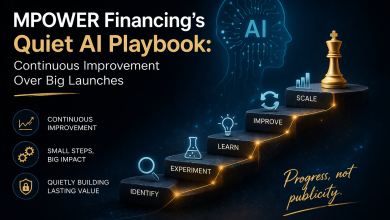
Much like training an advanced AI system, intense workouts push your body beyond comfort zones so it can adapt, grow stronger, and perform better over time. However, continuous high-intensity training can lead to muscle soreness, reduced energy, and mental exhaustion. Fatigue is natural, but managing it intelligently helps you stay consistent, motivated, and injury-free.
This article explores smart, AI-inspired techniques to reduce post-workout fatigue and improve recovery after demanding training sessions.
Smart Strategies to Minimize Post-Workout Fatigue
When you train at full capacity, fatigue is inevitable. Think of recovery as system optimization—here’s how to help your body recover faster and perform better.
Fuel Your Body with the Right Nutrition
Just as AI performance depends on quality input data, your body relies on proper nutrition to recover efficiently. Consuming a balanced mix of protein and carbohydrates after workouts helps repair muscle tissue and replenish energy stores. Many fitness enthusiasts include the best whey protein India in their routine due to its fast absorption and muscle-repair benefits. Pairing protein with foods like fruits, oats, or curd further improves recovery efficiency.
Stay Hydrated for Peak Performance
Even mild dehydration can negatively impact your energy levels and slow down muscle recovery. Maintain steady hydration throughout the day, especially before, during, and after workouts. If your training sessions involve heavy sweating, adding electrolytes can help maintain mineral balance. Proper hydration supports muscle function, mental focus, and reduces cramps.
Optimize Sleep for Deep Recovery
Sleep is your body’s reset mode. During deep sleep, muscles repair themselves and hormones rebalance naturally. Aim for 7–9 hours of quality sleep every night. Reducing screen time, dimming lights, and keeping your room cool can significantly improve sleep quality and reduce overall fatigue.
Support Recovery with Smart Supplementation
Targeted supplementation can help reduce tiredness and improve muscle repair after intense workouts. EAA supplements provide essential amino acids that the body cannot produce on its own and help support muscle protein synthesis during long or high-intensity training sessions. Always choose supplements from reputable brands and verify product quality.
Schedule Rest and Active Recovery
Recovery days are essential for long-term progress. On non-training days, engage in light activities such as walking, yoga, mobility exercises, or low-intensity cycling. These activities increase blood flow, reduce stiffness, and prevent burnout, allowing you to stay consistent with your fitness routine.
Final Thoughts
Fatigue is a natural result of pushing your limits—but recovering smarter makes all the difference. With proper nutrition, hydration, quality sleep, thoughtful supplementation, and active recovery, you can improve energy levels and performance. These strategies help make your workouts more effective, sustainable, and enjoyable over time.