Supply chain finance has never been about trust. This has to do with shared information that suppliers, buyers, financiers, and logistics companies must collaborate and cooperate with. This last aspect has historically affected the speed, general transparency, and opacity surrounding these transactions. So what kind of shift is happening with respect to blockchain technology? This goes beyond book entries and record-keeping, much like how real-time tracking in digital markets—such as monitoring the XRP price—has improved transparency for investors.
Trust Gap in Classic Supply Chains
In traditional supply chain finance arrangements, data is maintained in different systems. Invoices, transport documents, and payment instructions are conveyed through emails and other platforms. This has led to issues in the supply chain finance industry due to the associated costs and lack of authentic verification by the lender regarding the validity of the transaction in real time.
The trust gap is addressed by blockchain through its capacity to provide a common and tamper-proof ledger that is accessible to all parties with approved information that presents identical verified information, similar to how the Ripple XRP price is consistently reflected across multiple exchanges through decentralized validation.
Smart Contracts for Automated Finance
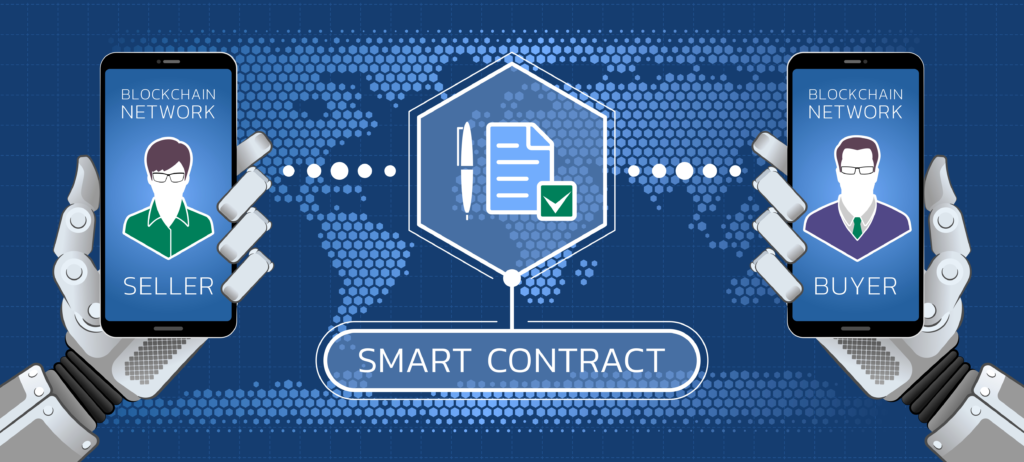
Probably the most developed form of blockchain application within supply chain finance is smart contracts: self-executable agreements with a set of predefined rules encoded in their core. Under conditions—like the delivery of goods or approval of quality checks—payments are automatically performed or financing actions triggered.
For instance, once shipment data is confirmed on the blockchain, a smart contract can trigger an early payment to a supplier or notify a lender to activate invoice financing. This cuts down on manual intervention and accelerates cash flow, reducing human errors in the process.
On the supplier’s side, this translates into faster-paying working capital; for buyers and lenders, it means lower operational costs as automation cuts out some of the human resources required, much like automated trading systems reacting instantly to shifts in XRP price.
Real-Time Visibility & Risk Mitigation
Modern blockchain technology platforms are now utilizing information from logistics companies, warehouses, and even IoT devices. This enables real-time visibility regarding movement and condition.
For supply chain finance, real-time visibility is critical. It would enable lenders to better estimate risk if they were able to track deliveries and thereby confirm that merchandise existed and was in process as anticipated. It would reduce fraud, duplicate financing, and fraudulent invoices. It would benefit buyers by increasing transparency and suppliers by increasing their creditworthiness, similar to how investors rely on live updates of XRP price to make informed decisions.
Tokenization of Assets and Invoices
Another new use for blockchain technology is in tokenizing supply chain assets. Invoices, purchase orders, and even inventory items can be created as tokens in blockchain. These tokens prove ownership, and this increases their ability to be traded or funded.
Tokenized invoices can be funded by a variety of investors. This increases the liquidity within the market. More funding sources will be open to companies apart from banks. Suppliers will receive funds for their invoices much quicker and possibly on better terms. The process of traceability makes assets attractive to investors.
Cross-Border Efficiency and Compliance
International supply chains are beset with regulatory and currency issues. Blockchain technology makes global supply chain finance more convenient through standardized data formats and trails. This increases the speed of payment processing with fewer middlemen and lower transaction fees.
Compliance is also enhanced. Each transaction is time-stamped, which results in immutable recording, making it efficient during audits to avoid any violations of regulations. This is important in those sectors where compliance is a significant concern, like pharmaceuticals, food, and manufacturing.
The Road Ahead for Supply Chain Finance
It is not the focus of sophisticated blockchain use cases to replace the incumbent systems over a short period of time. On the contrary, blockchain use cases improve the current systems by infusing trust, automation, and transparency where they are required the most. Supply chain finance will become more inclusive, efficient, and robust with the adoption of blockchain technology.
The future will see ecosystems where the flow of data happens in a completely automated fashion, where funds are triggered instantly through financing activity, and where trust will inherently form as a part of the process. Supply chain finance experiments using blockchain will no longer remain experiments. It will form the backbone of globally smart trade.