
Bathroom design has increasingly moved toward openness, clarity, and architectural simplicity. Over the past decade, homeowners and designers have shifted away from heavy cabinetry and enclosed furniture toward layouts that feel lighter and more integrated with the surrounding space. This evolution mirrors the influence of AI-driven design thinking, where efficiency, clean spatial logic, and user-centered functionality play a central role. Among the design solutions driving this transformation, floating cabinetry has emerged as one of the most influential concepts, redefining how bathrooms function and how they are experienced visually.
A floating double sink vanity represents a particularly significant advancement because it combines two essential goals: accommodating shared daily routines while maintaining a spacious, modern aesthetic. Traditional vanities rest directly on the floor, visually dividing the room and adding weight to the layout. By contrast, a wall-mounted vanity creates open space beneath the cabinet, allowing flooring to extend uninterrupted across the room. This simple structural shift dramatically changes spatial perception, making bathrooms appear larger and more refined without increasing square footage.
The visual impact of floating furniture is rooted in architectural principles. When cabinetry lifts off the ground, the room gains a sense of lightness and continuity. The eye travels freely across surfaces instead of stopping at bulky forms, which enhances openness. This effect becomes especially valuable in contemporary bathrooms where minimalism and clarity are central design goals. Even in moderately sized rooms, floating vanities can create the impression of expanded space.
Functionality remains equally important. A double sink configuration addresses one of the most common sources of daily friction in shared bathrooms: competing routines. Two sinks allow simultaneous use, supporting busy mornings and evening preparations without interruption. Each user gains dedicated space, reducing clutter and improving organization. The combination of shared functionality with visual openness explains why this design has become increasingly popular in modern renovations.
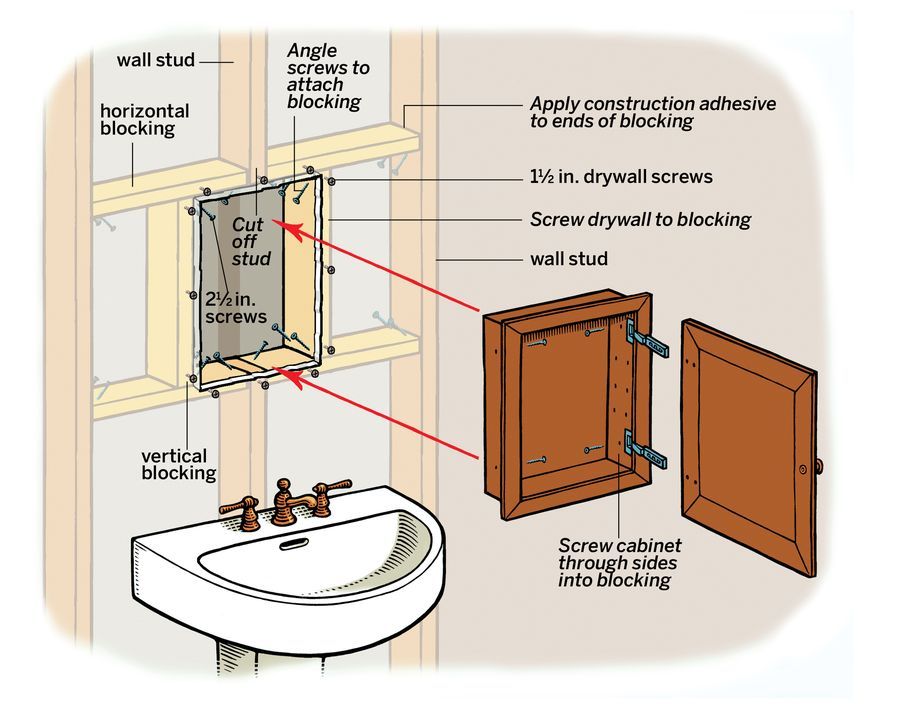
Installation planning plays a critical role in achieving successful results. Because the vanity is wall-mounted, structural support must be carefully considered. Reinforced wall framing ensures the cabinet can safely carry both its own weight and the additional load of countertops, sinks, and stored items. Proper planning during renovation stages allows the vanity to feel integrated into the architecture rather than simply attached to it.
Plumbing coordination also differs from traditional installations. Supply lines and drains must align precisely with the cabinet’s configuration, and access panels may be incorporated for maintenance. While installation may require more preparation, the long-term aesthetic payoff often justifies the effort. When completed correctly, the result feels custom-built and highly refined.
Cleaning and maintenance represent practical advantages often overlooked during design planning. Open floor space beneath the vanity simplifies cleaning routines and prevents dust accumulation in hard-to-reach areas. This accessibility contributes to hygiene while maintaining the clean visual lines associated with modern interiors.
Lighting opportunities expand significantly with floating designs. Under-cabinet lighting can be installed to create a soft glow along the floor, enhancing nighttime visibility while adding a luxurious atmosphere. This layered lighting effect transforms the vanity into an architectural feature rather than a standalone piece of furniture. The gentle illumination also reinforces the floating illusion, making the cabinet appear almost weightless.
Storage design within floating vanities has evolved to address concerns about reduced capacity. Modern configurations include deep drawers, internal organizers, and efficient compartment layouts that maximize usable space. Because storage is arranged horizontally rather than vertically, items remain accessible without excessive bending or reaching. Thoughtful organization helps maintain uncluttered countertops, reinforcing the minimalist aesthetic.
Material selection strongly influences the final impression. Natural wood finishes introduce warmth that balances the modern structure, while painted finishes emphasize clean geometry. Stone countertops provide contrast and durability, anchoring the design visually while maintaining elegance. The interplay between materials becomes more noticeable because the vanity acts as a focal point suspended within the space.
Proportion remains essential when designing around a floating double vanity. Mirrors, lighting fixtures, and wall finishes must align with the cabinet’s width to maintain visual balance. Oversized mirrors often complement the horizontal emphasis, while symmetrical lighting arrangements reinforce harmony across the wall. Proper scaling ensures the design feels cohesive rather than fragmented.
Despite its advantages, this design is not universally appropriate. Bathrooms lacking adequate wall structure may require significant reinforcement, and households needing maximum enclosed storage might prefer floor-mounted cabinetry. Additionally, extremely traditional interiors may benefit from furniture styles that reflect historical detailing rather than contemporary minimalism. Successful design always depends on alignment between architectural context and functional needs.
The psychological impact of floating furniture also contributes to its appeal. Open space beneath cabinetry creates a feeling of airiness that promotes relaxation. Bathrooms increasingly serve as personal retreats, and environments that feel uncluttered help reduce visual stress. The floating vanity supports this goal by removing unnecessary visual weight.
Technological integration further enhances usability. Soft-close drawers, integrated power outlets, and concealed lighting systems improve everyday convenience while preserving clean aesthetics. These features allow the vanity to function as a modern utility hub without disrupting design simplicity.
Durability considerations remain important despite the lightweight appearance. High-quality mounting systems and robust materials ensure stability over time. When properly installed, floating vanities provide long-term performance comparable to traditional cabinetry while offering additional design advantages.
A thoughtful planning process helps ensure successful implementation:
- Confirm wall structure can support the weight of the vanity, countertop, and daily use.
- Coordinate plumbing placement early in the renovation process.
- Select storage configurations that maintain organization without overcrowding drawers.
- Use lighting layers to enhance both functionality and atmosphere.
- Balance modern cabinetry with complementary materials for warmth.
- Scale mirrors and fixtures proportionally to the vanity width.
- Maintain visual restraint so openness remains the defining feature.
The rise of floating double sink vanities reflects a broader evolution in how bathrooms are perceived. Rather than purely functional rooms, they are increasingly designed as restorative environments that support daily wellbeing. Open space, thoughtful lighting, and efficient organization contribute to this experience, allowing design and practicality to coexist seamlessly.
Modern bathroom design continues moving toward solutions that enhance both aesthetics and everyday life. The floating double sink vanity exemplifies this direction by combining architectural elegance with shared functionality. Its ability to create openness while accommodating real routines ensures its lasting relevance in contemporary interiors.
By balancing structure and lightness, practicality and beauty, floating double sink vanities redefine what luxury means in modern bathrooms. They demonstrate that true refinement comes not from excess but from thoughtful design choices that improve how a space feels and functions every day.