The fast growth of artificial intelligence is changing businesses worldwide, not leaving cooking behind. Restaurants, food makers, and event chefs once depended on hands-on work and instinct, yet smart tools are now flipping how meals get made, checked, or shipped out. Kitchens powered by AI, often called “smart setups,” point toward a time when robots, live data, automated systems, and learning algorithms join forces to streamline tasks and boost reliability.
This change isn’t just happening in fancy eateries or tech-driven companies. Instead, it’s slowly turning into a worldwide trend fueled by pressure to do things faster, lack of workers, stricter safety rules, also growing demand for eco-friendly practices.
The Growth of AI in Food Preparation
AI use in restaurants took off because more data is available, plus machines do tasks more easily now. Kitchens create tons of info – like how much stuff they use, when orders come in, cook times, scraps left over, and supply routines. A while back, nearly all that number-crunching got ignored. These days, smart software checks it out to spot waste, guess what customers will want, or suggest better ways to run things.
Take machine learning – it spots busy times way better than old-school planning. That lets kitchen teams schedule workers smarter, skip extra shifts nobody needs, while keeping things fast when packed. On top of that, smart systems study what customers like, tweak menus based on real choices, drop dishes that don’t sell well, plus guide smarter orders behind the scenes.
Smart Appliances and Connected Systems
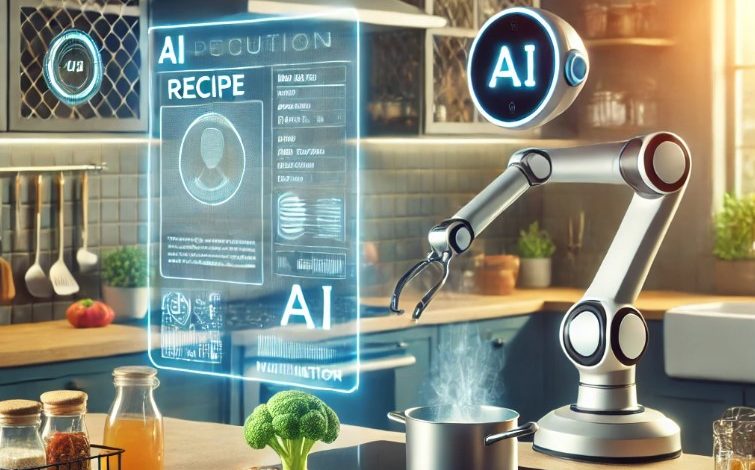
A clear sign of this tech change? More kitchens now use internet-linked gadgets. They work by combining smart programs with online access plus built-in sensors to handle basic chores. For example, clever ovens tweak heat levels depending on how heavy or what kind of food you’re cooking. At the same time, learning-based fryers manage oil better and tell you when they need a check-up.
A fridge hooked to the internet tells you when food’s running out. So does an app that tracks what’s inside. One device talks to another without needing help. This lets your stove match recipe steps automatically. Heat changes while you cook – no guessing needed. When steam builds up, vents turn on power on their own. Less energy gets wasted this way. Everything works together but still acts separately.
Across many sectors, including manufacturing and large-scale catering, AI technologies are even influencing the design and operation of industrial cooking equipment, enabling facilities to achieve greater precision, consistency, and safety.
Robotics and Automated Cooking Systems
Roughly a decade ago, kitchen bots handled just basic jobs – think tossing patties or squirting ketchup. Nowadays, they do way more than that; some blend ingredients, deep-fry foods, arrange meals neatly on plates, or whip up personalized recipes from scratch. These machines keep evolving fast, swapping old limits for smarter moves. Instead of sticking to one chore, many now shift between several duties without slowing down.
Robots that cook stick to digital recipes using precise amounts, so mistakes drop off while consistency goes up. Big places like hospitals or schools might save tons of food and move faster when meals get made by machines instead.
Robotic arms using camera tech spot ingredients, check how food’s cooking, yet tweak their actions with real-time feedback. Machines mix robotics with smart software – so they copy skills people used to spend ages learning.
AI for Food Safety and Quality Control
Folks worry a lot about safe food prep – no surprise there. These smart sensors help out by spotting sudden temp changes, flagging possible germ spread, while also checking if workers follow cleanliness rules.
Smart cameras using visual tech spot bad handling, catch expired items, or check if cooks wear correct safety gear. Storage monitors record temp data on their own, helping prevent food from going bad. Machines that predict issues warn workers ahead of time so kitchen tools don’t fail unexpectedly.
In big food factories, smart tools spot flaws in color, texture, or form better than people can. That means cleaner, more consistent meals get made.
Sustainability and Resource Optimization
Folks aren’t just using AI to save time – kitchens everywhere are leaning on tech to help the planet. Instead of guessing, they’re tapping smart systems that monitor how much power gets used, how much grub ends up trashed, or how much water flows through taps. These tools spot trends quickly, giving instant tips so crews can cut back on what they waste.
Smart inventory tools cut down excess orders by guessing what’s needed next using past sales, weather changes, or buying habits. That saves money on running things – also helps the planet stay cleaner.
Some eateries or producers use AI to craft greener menus by checking carbon impact, guiding buyers toward planet-smart picks.
The Future: Fully Autonomous Kitchens?
Fully automatic kitchens might feel like sci-fi right now – still, the advances happening hint they’re nearer than expected. Firms aren’t just dreaming; they’re building setups that cook fancy dishes using almost no help from people. Different robots working together, smarter detection tools, along with beefier AI brains, could totally shift what machines can pull off.
Still, people’s creative touch and gut feel in cooking won’t go away. Instead of replacing cooks, machines will lend a hand – taking over boring jobs, keeping things steady, offering smart tips – so kitchen masters can play with new ideas, craft bold tastes, or tailor meals just right.
Conclusion
AI and automation are reshaping kitchens around the world, offering new levels of precision, efficiency, and safety. From smart appliances to robotic assistants, these technologies are transforming how food is prepared and managed across restaurants, catering operations, and large-scale food production facilities. As technology continues to evolve, we can expect kitchens to become even more intelligent, sustainable, and adaptable.
The rise of AI-driven kitchens marks an exciting shift toward a future where technology enhances human creativity rather than replacing it—building a food industry that is faster, safer, and more innovative than ever before.