An AI Agent Development Company helps a business build AI that can do more than answer questions. A useful agent can read context, use tools, follow rules, complete small steps inside business software, and pass risky cases to a person. That is why companies now look at AI agents for customer support, back-office work, booking flows, reporting, internal search, and sales operations. The goal is not to make the business look “AI-ready.” The goal is to remove slow manual work without losing control over quality, data, and decisions.
Why an AI Agent Development Company is not the same as a chatbot vendor
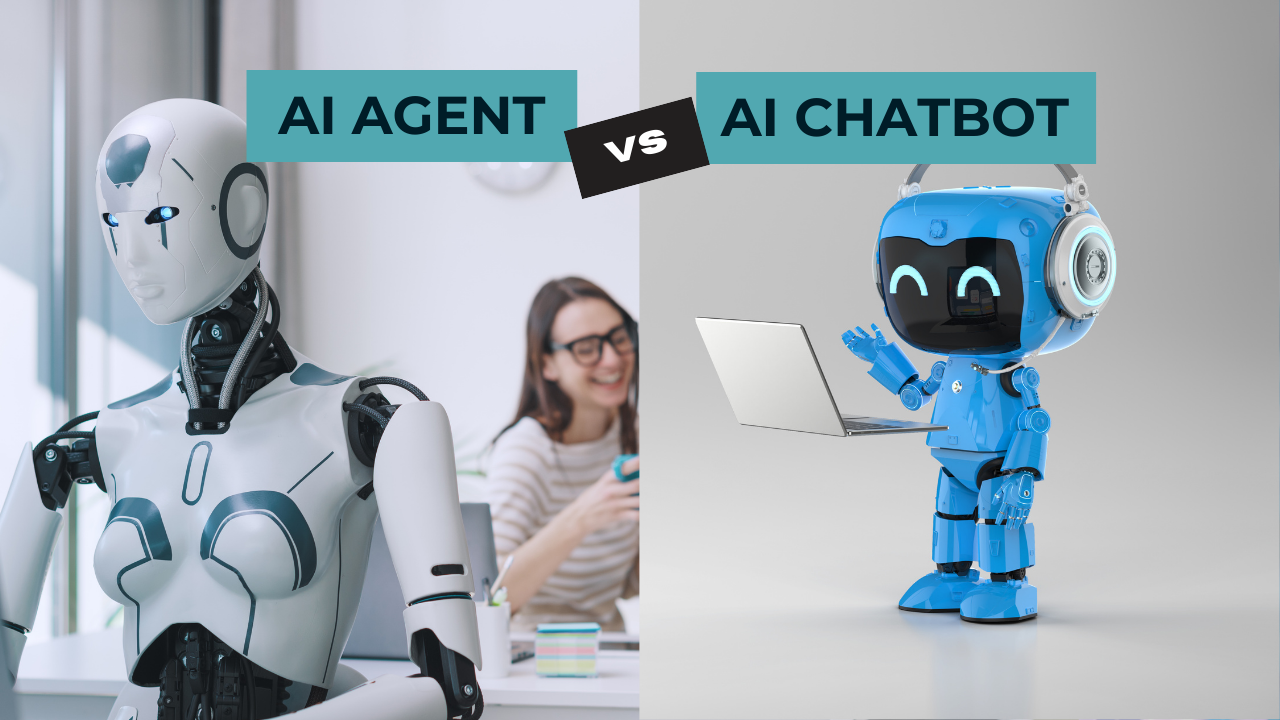
A chatbot can answer a question. An AI agent should be able to take action. That sounds like a small difference until a real workflow is involved. A customer asks about an order. A chatbot may explain where to find the tracking page. An agent can check the order system, read the shipping status, prepare the answer, and create a support note for the team.
That is why a business comparing AI agent development services should look beyond the model itself. The important work includes choosing the right use case, designing the agent’s logic, connecting it to business tools, testing unsafe outputs, launching it carefully, and improving it after real users start using it.
| Chatbot project | AI agent project |
| Mainly answers questions | Handles part of a workflow |
| Often works inside one chat window | Connects with tools, data, and APIs |
| Usually follows narrow scripts | Uses context and rules to choose the next step |
For an AI-focused business audience, this is the real difference. A demonstration may sound impressive on a sales call. However, a production person needs to live through dirty data, ambiguous user requests, field errors, access constraints, and corner cases not discussed during the initial meeting.
What a company that develops AI agents should prove first
A company that develops AI agents should not start by talking only about LLMs. The first conversation should be about the workflow. Which task is slow? Who does it now? What data do they check? What mistakes happen? What should the agent do when the answer is uncertain?
A serious AI partner should be able to show:
- A narrow use case with a clear business reason.
- A plan for connecting the agent to existing tools, not replacing everything.
- Testing for wrong answers, missing data, and unusual user requests.
- Human handoff rules for sensitive or high-risk actions.
- Monitoring after launch, because products, policies, and data change.
This is where many projects start to fail. The team gets excited about “agentic AI” and forgets the actual job. The agent can write a polished response, but it cannot check a refund rule, update the CRM, find the correct invoice, or know when it should stop.
A practical checklist for choosing an AI agent development partner
Selecting the AI Agent Development Company should be more about partnering with a technology firm rather than purchasing a prefabricated widget. The AI company has to have AI know-how, yet also product sense, integration prowess, testing sensibilities, and the willingness to tell you your use case is too broad.
Use this checklist before starting the project:
- Ask which workflow they would automate first and why.
- Ask which workflow they would avoid at the beginning.
- Check whether they can work with your current CRM, ERP, app, database, or ticketing system.
- Ask how they test hallucinations, permission mistakes, and incomplete data.
- Confirm where human approval is needed.
- Decide which metrics will prove the agent is useful after launch.
The second point matters. A weak vendor says yes to every AI idea. A stronger one will push back if the process is unclear, the data is poor, or the expected return is too vague.
Where AI agent projects usually go wrong
AI agent projects usually do not fail because the model cannot produce fluent text. They fail because the system around the model is unfinished. The agent does not have the right data. The business rules are not written down. Permissions are too loose or too strict. Nobody owns the agent after launch.
| Problem | Why it happens | Better setup | Risk |
| Confident wrong answers | Testing used only easy examples | Test edge cases and risky prompts | Loss of trust |
| Agent cannot finish tasks | Integrations were added too late | Design around tools from day one | Low adoption |
| Team ignores the agent | Workflow changes were not explained | Train users and define handoffs | Wasted budget |
| No clear ROI | Metrics were not set early | Track time saved and completion rate | Weak business case |
A simple test helps. Take 50 real requests from the business and remove private data. Then ask the vendor what the agent should do with each one. If they cannot explain the action, data source, failure point, and handoff rule, the project is not ready.
How an AI Agent Development Company moves a pilot into production
Pilots often look cleaner than real life. The sample data is tidy. The users are patient. The questions are predictable. Production is different. People type badly. Systems return errors. Policies change. A customer asks something that is half support issue, half sales question. The agent has to deal with that without creating extra work for the team.
A strong partner builds for those conditions from the start. They define what the agent can do, what it cannot do, and what it should send to a person. They also plan logs, review points, and updates, because an AI agent is not finished on launch day.
One practical example is customer support. A store or app may begin with an agent that answers order-status questions. Later, it can summarize repeated complaints, suggest refund actions for approval, or help update FAQ content. In finance operations, the first agent may check invoice fields and flag mismatches. In travel or hospitality, it may handle booking changes before moving into staff alerts or upsell suggestions.
Why AI agent development should stay tied to business outcomes
The phrase “agentic AI” can sound bigger than the work itself. That is why the project needs plain metrics. A business should know what should improve before the build starts: fewer manual tickets, faster response time, fewer data-entry mistakes, better lead qualification, shorter booking updates, or less time spent searching internal documents.
The useful question is not, “Can we add AI here?” The better question is, “Which manual step should disappear, and how will we know the agent handled it safely?”
A strong AI Agent Development Company keeps that discipline. It connects model behavior with workflow design, tool access, testing, governance, and measurable output. The result is not a shiny AI layer sitting on top of the same old process. It is a controlled system that handles a specific job better than the previous way of working.
This is the point worth keeping. AI agents are useful because they can move from conversation into action. But action creates responsibility. The right development partner should know how to build the agent, limit the risk, measure the result, and keep improving the system after real people start depending on it.