Artificial intelligence is no longer just a tool behind the scenes. A new generation of “agentic AI” systems is stepping into our daily lives, designed not only to process data but to act, adapt and support decision-making. And nowhere is this shift more striking than in healthcare and mental wellness.
BlissBot, a wellness-focused AI companion, sits at the center of this conversation. Its creators describe it as agentic—yes, it makes choices and tailors guidance—but with one non-negotiable rule of empowering but never manipulating.
Guardrails in a World of Smart Machines
The concern around agentic AI is that if machines start acting on our behalf, how do we ensure they don’t take over or foster unhealthy dependence? BlissBot’s answer is transparency and strict boundaries.
BlissBot doesn’t diagnose or control. If it notices patterns that resemble depressive symptoms, it simply nudges users toward professional care. The point is not to replace a therapist but to help someone build healthier routines day by day.
That design reflects a larger trend in healthcare AI. According to a 2023 McKinsey & Company report on healthcare AI adoption, the global market for AI in healthcare could surpass $100 billion by 2030, with the biggest growth in mental health and chronic disease management This data makes the demand clear that people want accessible, trusted support but with built-in safeguards.
The Problem with Scripted Wellness Bots
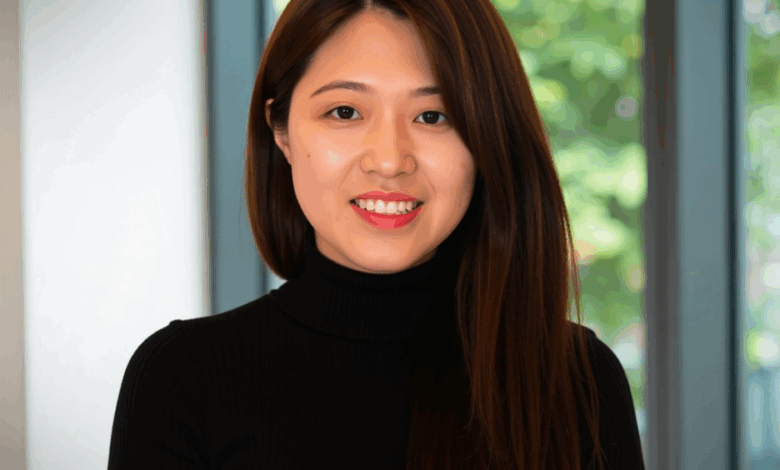
Critics argue that most wellness bots feel shallow, delivering pre-written lines that quickly lose their impact. BlissBot pushes back against that narrative. Its founder, Sarah Wang built the system after a decade of coaching people through life-changing experiences, from career growth to mental health recovery. The bot draws from that lived expertise, evolving responses over time rather than recycling scripts.
“Beyond personal practice, I also served as a pillar for psychological and mental well-being at TikTok, giving me both global perspective and data-driven rigor,” says Wang. “This combination—practical, personal, and professional—makes BlissBot’s methodology far richer and more comprehensive than what exists elsewhere.”
The difference is evident in user feedback as people describe BlissBot being incisive, impactful, and transformative, not scripted and superficial.
Building Bridges to Healthcare Systems
The future of wellness AI won’t be bots working alone. BlissBot’s team envisions partnerships with healthcare systems and wearables. Imagine a smartwatch detecting rising stress levels and syncing with BlissBot to recommend a grounding exercise in real time. Or a health provider integrating AI companions into patient care plans, extending support beyond the clinic.
This isn’t science fiction, it’s already happening. Startups and health systems are piloting integrations that bring together human care, AI support and biometric data. Together, they could create a new layer of personalized care that sits between therapy and daily life.
No doubt agentic AI is powerful, but the question is whether will it remain a supportive guide or drift into something more controlling?
For now, BlissBot and tools like it are walking a careful line. They are changing the story of AI in healthcare by grounding technology in human values, not the other way around.
Because when it comes to our health, trust is the real currency.