More beginners, hobbyists, and small creators are using 3D printing because it makes custom projects easier to create at home. A 3D printer can produce models, tools, replacement parts, prototypes, and personalized items. However, the real cost of 3D printing is not limited to the machine itself. Filament, maintenance, failed prints, electricity, and future upgrades can also affect the total budget. For most buyers, an affordable 3D printer should offer a practical balance of price, reliability, ease of use, and long term value.

What Are the Real Costs of Owning a 3D Printer?
The first expense is the printer, but users should also plan for ongoing costs. These may include filament, replacement nozzles, build plate care, basic tools, and occasional maintenance. Electricity is usually a smaller cost for casual users, but it can matter for long or frequent print jobs.
Failed prints are another hidden expense. Poor bed adhesion, wrong settings, wet filament, or unstable hardware can waste material and time. A printer with stable performance may cost more upfront, but it can help reduce waste over time.
How Much Does an Affordable 3D Printer Cost?
Desktop 3D printers usually range from entry level to mid range. Entry level models can be enough for simple projects and basic materials. Mid range models may offer faster speed, larger build volume, better stability, or wider material support.
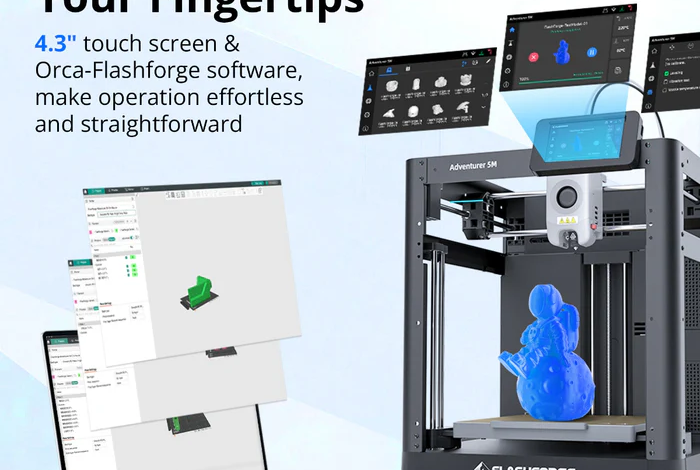
When choosing an affordable 3D printer, buyers should look beyond the listed price. Easy setup, reliable print quality, user friendly software, helpful support, and upgrade options all affect long term value. Many buyers also wait for a 3D printer sale to reduce upfront cost. Still, the lowest price is not always the best deal. It is better to compare performance, material compatibility, warranty support, and maintenance needs. Flashforge offers desktop 3D printer options for different experience levels, helping users choose based on budget and project goals.
Understanding 3D Printer Filament Costs
Filament is one of the most common ongoing expenses. PLA is popular with beginners because it is easy to print and works for many everyday projects. PETG can be useful for stronger functional parts. ABS may suit heat resistant applications when printed in a suitable environment. TPU is flexible and works for parts that need bending or shock absorption.
The price of 3D printer filament should not be judged only by spool cost. A low priced spool that causes clogs, weak layers, or repeated failures can become more expensive in practice. Cost effective filament should match the project, print consistently, and be stored properly.
How Much Does One 3D Print Cost?
A simple formula is:
Print Cost = Filament Used × Filament Price per Gram
A small model may use only a few grams, while a larger functional part may need much more. Infill, wall thickness, supports, print size, and material type all affect final cost. Nozzle wear, build surface care, and failed prints can also increase expenses over time.
How to Reduce 3D Printing Costs
The best way to control costs is to improve print success rate. Users can clean the print bed, level it correctly, adjust temperature settings, and store filament in a dry place. Regular maintenance also helps prevent avoidable problems.
Material choice matters as well. PLA may be enough for simple models, while PETG, ABS, or TPU can be saved for projects that need more strength, flexibility, or heat resistance. Frequent creators may also consider multi filament printing for easier multi color or multi material workflows. Flashforge provides solutions for different printing needs, supporting users as they move from simple models to more advanced projects.
Is 3D Printing Worth the Cost?
A 3D printer can offer good value when users need custom parts, prototypes, hobby projects, or personalized designs. Buying finished products may still be more affordable for simple mass produced items. The value of 3D printing comes from customization, creative control, and faster idea testing.
For beginners, a simple setup with an affordable 3D printer, PLA filament, basic tools, and a clean workspace is often enough to start. Overall, the real cost of 3D printing depends on hardware, filament, maintenance, and learning time. A smart purchase should focus on long term value, not only the initial price.