
As the landscape of mental health services evolves, Artificial Intelligence (AI) is playing an increasingly transformative role in how support is delivered. What began as simple video-based online therapy has expanded into intelligent, data-driven systems that enhance accessibility, personalization, and efficiency—including specialized services such as online therapy in MD, where digital innovation is reshaping local access to care.
A 2020 report by the American Psychological Association highlighted a dramatic rise in telehealth adoption. Since then, AI technologies have accelerated this shift, integrating smart matching algorithms, predictive analytics, and conversational AI tools into digital mental health platforms worldwide.
Today, AI is not replacing therapists—it is augmenting mental health care in powerful and innovative ways, especially within structured online therapy sessions that combine professional oversight with intelligent support tools.
Exploring AI-Enhanced Therapy Platforms, Modalities, and Access
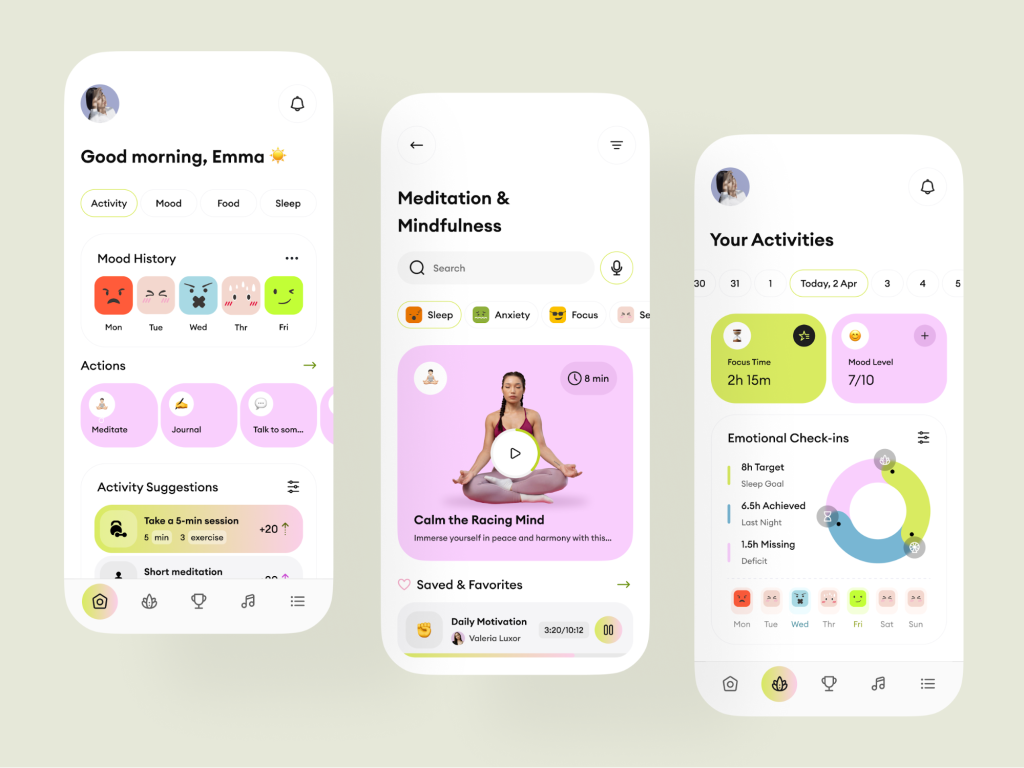
Modern mental health platforms increasingly rely on AI to improve user experience and treatment outcomes.
Intelligent Modalities
AI integration allows platforms to offer:
- Smart chatbots that provide guided coping strategies between sessions
- Automated mood tracking that identifies emotional patterns over time
- AI-assisted journaling tools that detect cognitive distortions
- Predictive alerts that flag potential mental health risks
These tools use machine learning and natural language processing to analyze text, speech, or behavioral data, helping both clients and therapists gain deeper insights.
Organizations like OpenAI and Google have contributed to the development of advanced language models that power many conversational AI systems used in mental health apps today.
Choosing the Right AI-Driven Platform
When selecting a platform, consider:
- Transparency about how AI is used
- Human oversight in AI-supported recommendations
- Integration with wearable or health-tracking devices
- Data ownership and privacy policies
Trying demos or trial versions can help assess usability and trustworthiness before committing.
The Role of Human Expertise in an AI-Supported System
Even in AI-enhanced environments, licensed therapists remain central to effective care.
AI may assist professionals by:
- Summarizing session notes
- Tracking symptom progression
- Suggesting evidence-based interventions
- Highlighting behavioral trends
However, diagnosis, interpretation, and therapeutic decision-making must remain human-led.
Research institutions such as Stanford University and Massachusetts Institute of Technology continue to explore ethical AI frameworks to ensure responsible deployment in healthcare contexts.
When evaluating AI-supported therapy services, verify:
- Therapist credentials and licensure
- Level of AI involvement in treatment decisions
- Transparency about algorithmic recommendations
Human empathy combined with AI-driven insights creates a more comprehensive care model.
Optimizing Your Digital Environment for AI-Supported Sessions

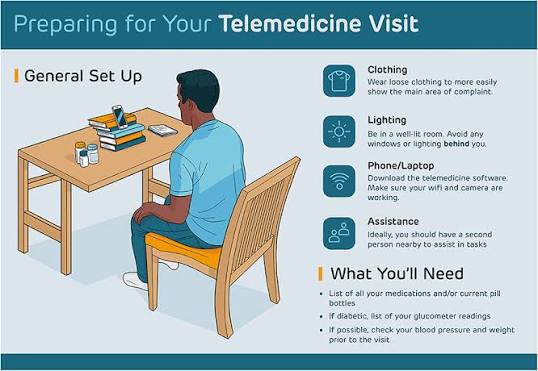
AI tools rely on high-quality input data. Clear audio, stable video, and consistent interaction improve system accuracy.
Technical Preparation
- Reliable internet connection
- Updated software and devices
- Functional microphone and camera
- Proper lighting for facial recognition tools (if used)
Mental Preparation
AI systems may track patterns across sessions, so maintaining consistency in participation and honest communication improves personalization.
Creating a routine before sessions—turning off notifications, using the same private space, and keeping notes—helps reinforce engagement and focus.
Protecting Privacy and Data in AI-Driven Mental Health Care

AI systems depend heavily on data, making privacy and cybersecurity critical concerns.
In the United States, compliance with the Insurance Portability and Accountability Act ensures that personal health information is protected through encryption and secure data handling practices. This federal law sets standards similar to those established under the Health Insurance Portability and Accountability Act, commonly known as HIPAA, which governs how healthcare data must be safeguarded.
When using AI-supported mental health platforms, consider:
- Whether data is anonymized
- How long session information is stored
- Whether conversations are used to train algorithms
- Availability of opt-out options for AI features
Best Practices for Users
- Use strong, unique passwords
- Enable two-factor authentication
- Avoid public Wi-Fi during sessions
- Keep devices updated
Ethical AI use requires transparency, informed consent, and strict adherence to security standards.
The Future of AI in Mental Health
AI is expected to expand into:
- Real-time emotional analysis
- Personalized digital therapy programs
- Early detection of depressive or anxiety episodes
- Adaptive intervention models
While AI enhances accessibility and efficiency, the therapeutic alliance—the trust and rapport between human and client—remains irreplaceable.
Final Thoughts
AI is redefining how mental health support is delivered, offering intelligent tools that enhance personalization, insight, and accessibility. From selecting AI-driven platforms and verifying professional oversight to safeguarding sensitive data, thoughtful engagement is essential.
When implemented responsibly, Artificial Intelligence can elevate mental health care—combining technological innovation with human compassion to create more responsive and effective support systems.