
The KPMG Private Enterprise Global Tech Innovator Competition final kicks off next week. On 11th November, 18 finalists will compete for the title of global tech innovator.
From a range of countries (Brazil, Sweden, Colombia, Kenya, and India, as well as many more) and industries (agritech, biotech, AI and deeptech, robotics, clean manufacturing and fintech) the finalists represent an elite collection of visionary entrepreneurs and ground-breaking technologists who have already showcased they have the potential to shape industries, solve big-ticket real-world challenges, and make a difference around the globe. Indeed, these bold scaleups are a select group, having made it through regional pitch competitions from across the world, of more than 1,300 global applicants.
For these finalists, it is a chance to pitch in front of judges from global technology, venture capital and the innovation eco-system, assessing commercial viability and scalability, as well as the strength of the idea.
But it is not only play-to-win: the KPMG Private Enterprise Global Tech Innovator Competition gives finalists global exposure, media visibility, recognition with investors, potential partners and customers, a peer network of high-growth entrepreneurs, and guidance from KPMG mentors and advisers as they refine their propositions and navigate the next stage of growth.
Of course, it is a chance for journalists and potential investors to hear directly from founders who may go on to secure global recognition and turn compelling pitches into ideas that shape future markets. Here, at least, there is a wide variety of markets they intend to change.
Finalists include those that are developing solutions for self-sustaining eco farming, improved tech stacks, bio fabrication of human organs and even nanosatellite-constellation weather detection. Below are a few that AI Journal caught up with before 11th November, to talk to them about how they intend to shape the future in their sector and the importance of the Global Tech Innovator to their journey.
Lampsy: Founded in 2024, Lampsy Health has developed an AI-powered epilepsy-monitoring lamp. With the majority of nocturnal seizures not noticed, Lampsy developed a lamp-inbuilt video device that gives epilepsy sufferers (and their families) an in-home monitoring system for better awareness of seizures, while also giving doctors critical data to improve long-term health outcomes.
Indeed, accuracy is critical to the product with the AI-system 97% accurate, being trained on 9,000 hours of footage – which founders say is a critical difference in an epilepsy monitoring market where many individuals give up on their technology due to false alarms. “If a seizure happens, we detect it and immediately send alarms to family and caregivers,” says Joana Pinto, founding advisor at Lampsy Health.
With devices designed to be in the users’ bedroom, they have full control of privacy (deciding on whether they want video or not in monitoring) and the lamp design came from user feedback: many people with epilepsy don’t want the stigma of a wearable monitoring device and the lamp fits seamlessly into the home as furniture.

As such, founders say there is already high interest in Lampsy, which will sell direct to the individual via device purchase and ongoing subscription. Pre-sales indicate strong interest across Europe and the UK and they’re working towards a seed funding round as well as entering global markets. Indeed, with 50 million people living with epilepsy there is clear potential for Lampsy to be able to support a global user base.
Notwithstanding strong initial interest in the product, the founders also understand how critical platforms such as KPMG Private Enterprise Global Tech Innovator Competition can be on their journey. “[It’s positive] in two ways: there’s the press and media attention….but we are also interested because of fundraising as we prepare for the seed round…that exposure is key,” says Pinto.
Rainbow Inc: Founded by neurosurgeons at Hokkaido University in Japan with more than 25 years of experience in stem cell research, its Chief Science Officer Masahito Kawabori is an international Key Opinion Leader in regenerative medicine for neurological disorders. The company has developed an automated, closed-system manufacturing platform that enables a more scalable and cost-effective production of high-end stem cell products – with consistent quality and supporting commercial manufacturing.
Regenerative medicine has been recognised as one of Japan’s important industries, and research toward practical application is progressing ahead of the rest of the world. To this end, Rainbow Inc. is developing autologous and personalised stem-cell treatments for brain injury and disease, using individual patients’ own bone marrow. This produces a treatment specifically for them – rather than rely on donor-derived cells – and targeted for maximum efficacy. He compared it to a made-to-measure suit versus an off-the-rack one.
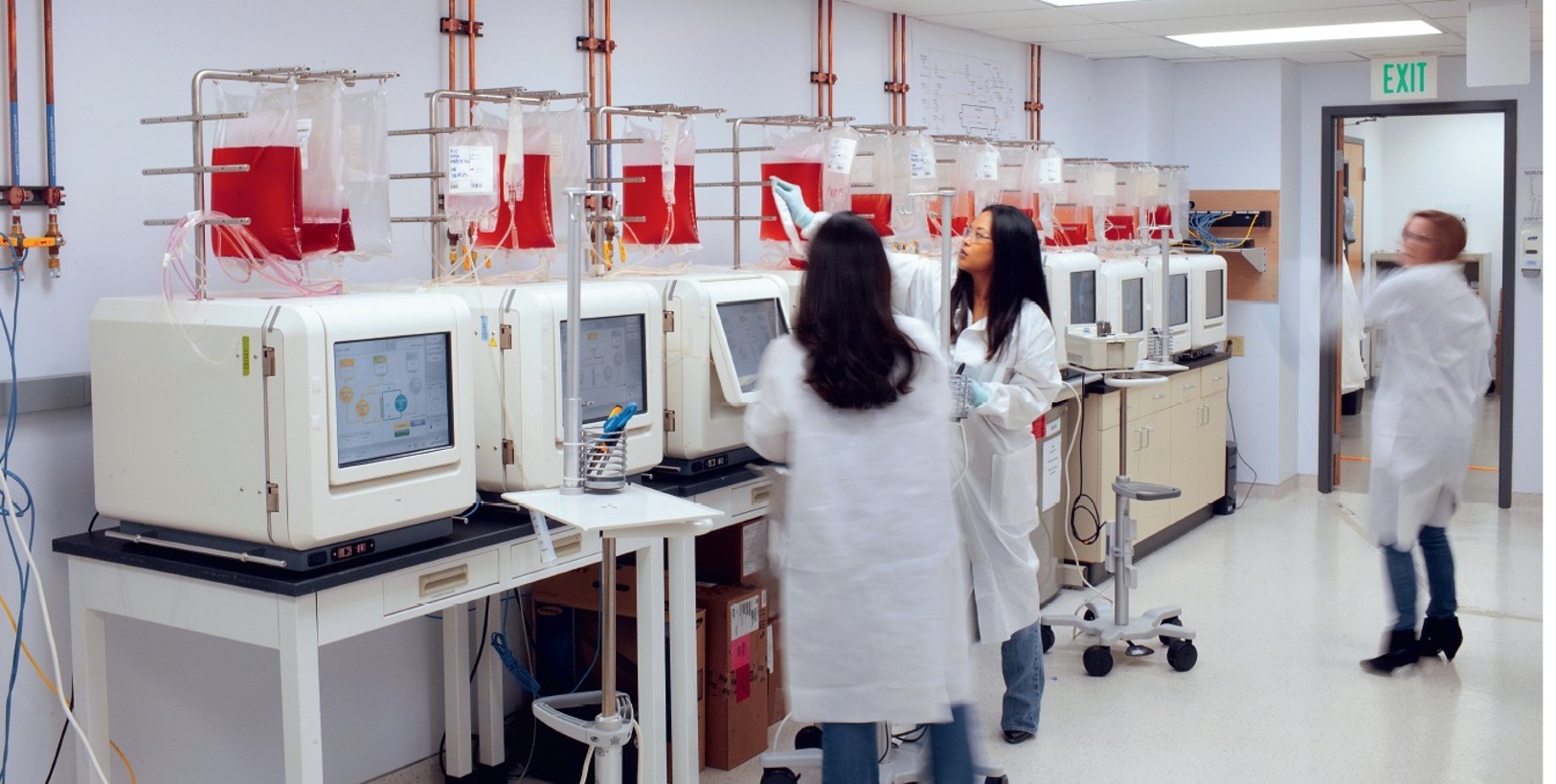
Their aim is to help people with serious brain damage regain independence and take quality of life to the next level. In the Phase I clinical trial of their product HUNS001, it is claimed some patients who were unable to walk due to stroke symptoms recovered to the point where they could walk again.
Dr. Kawabori says: “Stem cell treatments are hugely expensive and while we’re confident we can produce ours at a much lower cost, the concluding Phase 3 trial of HUNS001 requires significant capital of around $15 million. We see the Global Tech Innovator finals as an opportunity to find international pharmaceutical partners, startups and investors to help us gain final regulatory approval. Our ambition is effectively to transfer the technology and expertise to partners that can deploy it in different countries globally.”
A Phase II clinical trial is currently underway for patients with chronic ischemic stroke and severe motor impairment, while Kawabori says they are also developing similar life-changing treatments for haemorrhagic strokes and even dementia.

AlixLabs: Founded in 2019 in Sweden, this is the world’s only pure-play ALE (atomic layer etch) company and provides semiconductor manufacturing equipment and process solutions based on its proprietary APS™ (Atomic Layer Etch Pitch Splitting) technology. APS™ specifically enables chipmakers to manufacture advanced semiconductor devices in a more cost-effective, sustainable and efficient way by extending the capabilities of existing lithography infrastructure.
Through a combination of specialised hardware and plasma-based technology, they have replaced up to 10 conventional nanofabrication steps with a single process, creating smaller, denser features on semiconductor wafers without adding ever more complex multi-patterning steps. This accelerates the production of next-generation logic and memory devices, but also minimises energy, chemical, and water consumption, plus associated emissions.

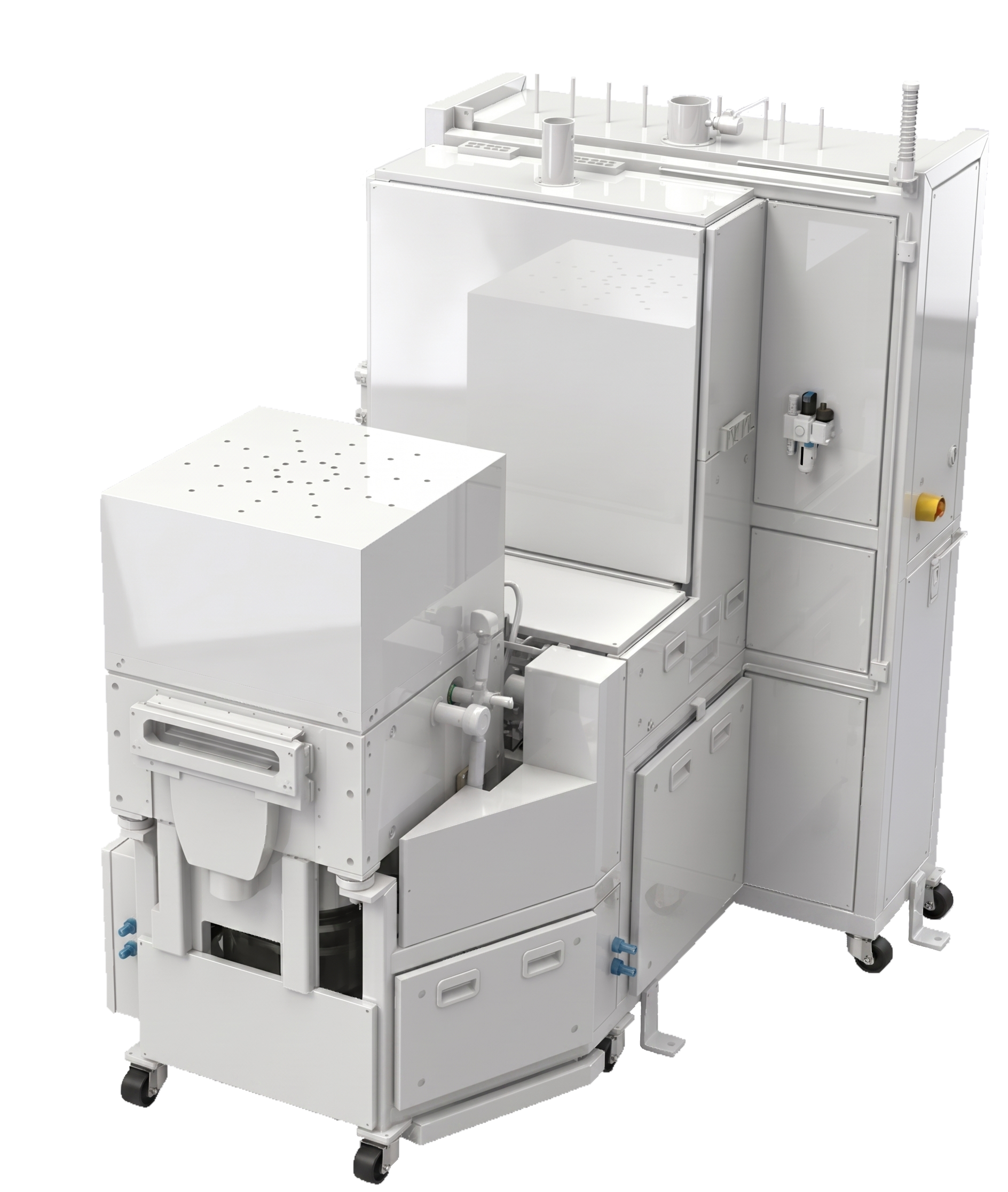
Chief Technical Officer and Co-Founder, Amin Karimi, explains: “The semiconductor market is difficult for a small Swedish startup to penetrate, so we will ultimately need an established industry partner to bring the technology to market. Global Tech Innovator will give us both visibility and credibility and help forge connections with the right semiconductor companies and industry decision-makers.”
Integration into live production environments will complete the technology validation required for further customer engagement, process integration, and commercial deployment in advanced manufacturing flows. The company closed its Series A funding last year and has now initiated Series B, reflecting the capital-intensive and lengthy development cycle involved in semiconductor hardware.
So, this year’s Global Tech Innovator competition comes as investors, policymakers and business leaders continue to focus on technologies that can scale responsibly and solve real-world challenges. Our 2026 finalists certainly reflect the breadth of innovation shaping the next groundbreaking wave of growth – so good luck to them all in Lisbon!