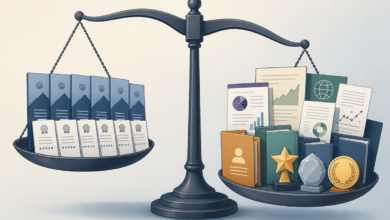
Music marketing used to be learned the slow way: trial, error, and a lot of wasted budget. Today, independent artists have a shortcut that did not exist a few years ago. AI tools can explain unfamiliar concepts, summarize research, and help you test ideas in minutes instead of weeks.
But learning faster is not the same as getting results faster. AI can shorten your learning curve, yet some parts of promotion still depend on real audience data, hands-on experience, and consistent execution. This guide shows where AI helps most, where it stops being useful, and how to pair it with a service like Boost Collective so you can spend more time making music and less time becoming a full-time marketer.
1. Use AI to Understand Your Genre Audience
Before you promote anything, you need to know who you are trying to reach. Most artists guess. AI lets you do better research in an afternoon.
Try asking an AI assistant questions like these:
- What kinds of listeners typically enjoy indie folk, and what other artists do they follow?
- What moods, activities and playlist themes are common in my genre?
- How do fans of this genre usually discover new music?
The answers will not be perfect, so treat them as a starting map rather than a final verdict. Use them to build a short list of comparable artists, then check those artists on Spotify to see which playlists they appear on and what their audiences seem to care about. AI gives you the vocabulary and the questions. Your own listening and your own data confirm what is real.
This research matters because relevance is what makes promotion work. When a track reaches listeners who actually like that style, they are far more likely to save it, follow you, and come back for the next release.
2. Build a Release Timeline With AI as Your Planner
A surprising number of releases stall because the artist did not plan beyond upload day. AI is very good at turning a vague goal into a checklist.
Give it your release date, your budget range and the assets you already have, such as cover art, a short video clip or a bio. Then ask for a four to six week timeline that covers:
- Finishing your streaming profile and artist bio
- Pre-save links and announcement posts
- Distribution deadlines
- Promotion start dates
- A follow-up plan for the weeks after release
You will likely adjust the plan, and that is fine. The value is in seeing the whole sequence at once. It also helps you notice that promotion works best when it is scheduled, not improvised on release morning. If you want a deeper look at one step in that sequence, our guide on preparing your Spotify profile before promoting a new release covers what to fix before any campaign begins.
3. Learn Ad Basics Before You Spend a Dollar
Paid advertising is where many independent artists lose money, mostly because the vocabulary feels intimidating. AI makes an excellent tutor here, because you can ask the same question five different ways without feeling embarrassed.
Use it to learn the core ideas:
- Targeting: how ad platforms decide who sees your content
- Creative: why a short, clear video often beats a polished but confusing one
- Budget and bidding: how daily spend, reach and cost per result relate to each other
- Conversion: what counts as a meaningful action, such as a click, a save or a follow
- Testing: why you should compare two or three versions instead of betting on one
You can even ask AI to quiz you, or to explain a metric using a simple example from your own genre. After a few sessions, you will understand what a good campaign setup looks like and what questions to ask anyone who runs ads for you.
That last part is important. Knowing the basics helps you evaluate services honestly. It is also how you discover that building, monitoring and improving ad campaigns is a job in itself, with plenty of moving parts.
4. Practice Reading Your Numbers
Data is only useful if you can interpret it. AI can help you practice. Paste in anonymized numbers from a past release, such as listeners, saves, followers gained and where listeners came from, and ask it to explain what the patterns might mean.
A few useful prompts:
- Which of these numbers suggests listeners enjoyed the track, and which only suggest curiosity?
- What would I need to track over the next month to know whether this song is worth promoting further?
- How can I tell a short spike from steady growth?
Again, AI offers interpretations, not facts. Use its explanations to sharpen your own judgment, then verify against what you see in your dashboards. Over time you will start spotting patterns yourself, which is the real goal.
5. Know Where AI Stops and Real Promotion Begins
AI cannot put your music in front of listeners. It cannot place a track on a playlist, manage a live ad account, or tell you how real people will respond to a specific song. It can also produce confident answers that are simply wrong, so any claim about platform rules, pricing or algorithms deserves a second check.
In other words, AI is a great teacher and a decent planner, but it is not a promotion channel. To grow an audience, your music still has to reach real listeners through real campaigns. That is the point where many artists decide to bring in help.
How Boost Collective Covers the Parts That Are Hard to Learn Quickly
You will find plenty of options out there, from do-it-yourself tools to other promotion platforms. Boost Collective is a top-rated music promotion platform, with a 4.3 star rating on Trustpilot across more than 1,700 reviews and hundreds of thousands of campaigns fulfilled. It is built for independent artists, which means simple ordering and clear tiers rather than a maze of options.
Here is how its services map to the skills you just learned about:
- Playlist promotion campaigns: Instead of researching curators and pitching on your own, you submit your track and Boost Collective matches it to relevant playlists and audiences. Placements often happen within 24 to 48 hours. The playlists added are verified and active, and promotion is backed by a guarantee of bot-free results or your money back. With a free account, you can track which playlists your song was added to.
- Music ad campaigns: The Music Ads service is a done-for-you option for artists who understand the basics of advertising but do not want to build and manage campaigns themselves. Your campaign analytics and growth over time are tracked in an in-depth dashboard, so you can apply what you learned about reading numbers to real results.
It is also worth being upfront about the tradeoffs. You cannot choose the exact playlists your track is added to, since campaigns are matched to relevant playlists and audiences. Results vary depending on your genre, your assets and market demand, so no one can promise a specific stream count. And customer support can be slower during peak volume. Knowing these limits ahead of time is part of making a smart decision, and it is exactly the kind of realistic thinking your AI-assisted research should lead to.
A Simple Way to Combine Both
Here is a practical approach that respects your time and budget:
- Learn: Use AI to understand your genre audience, plan your release timeline and study ad basics.
- Prepare: Polish your profile, artwork and release assets so your music makes a strong first impression.
- Promote: Run targeted music promotion through playlist promotion campaigns, music ad campaigns, or both, depending on your goals.
- Review: Check your dashboard, compare results to your expectations, and use AI again to help you interpret what happened.
- Repeat: Apply what you learned to the next release.
This loop lets you build real marketing knowledge without having to carry every task yourself.
Final Thoughts
AI is one of the best learning tools independent artists have ever had. It can teach you the language of music marketing, help you plan with confidence, and make data feel less intimidating. What it cannot do is replace actual promotion to actual listeners.
If you want to put your new knowledge to work, explore Boost Collective for playlist promotion campaigns, or learn more about Music Ads if you would rather have a team handle the campaign setup for you. Learn faster with AI, then let the right promotion partner help you get heard by real listeners.