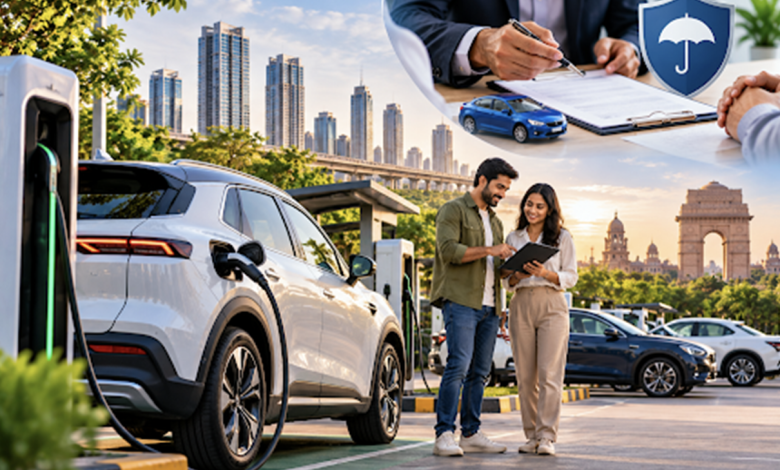
India is adopting electric cars faster than ever, and insurance is evolving to match this trend. One big difference with electric cars is the battery. It makes up a large part of the car’s value. So, protecting it requires a different kind of insurance – something traditional petrol or diesel car policies weren’t designed for.
This has led to specific covers for electric car components like batteries, drive motors, and even home charging points. Insurers are also looking at a new source of information: the data that electric cars collect about themselves.
What India’s electric car growth means for motor insurance
India’s electric vehicle market is growing fast, with millions of registrations every year. Most of these are two-wheelers and three-wheelers. Electric cars, on the other hand, make up a smaller but rapidly growing segment. With Tesla entering India, there’s even more buzz about electric cars.
Electric cars might be fewer in number, but their popularity is rising quickly. In 2025-26, about 2.2 lakh electric cars were registered, making up around 4.5% of all new cars. This came after a big jump of nearly 86% over the previous year. Tesla’s arrival has brought extra focus to this exciting segment.
When it comes to insurance, a standard motor policy covers accidents, fire, theft, and natural events like floods or storms. But electric cars have some unique parts not covered under a regular policy. This is why special insurance plans have been designed just for electric vehicles.
The EV covers now reaching the market
The clearest change is in the covers themselves. Battery cover pays for repair or replacement of the pack after several specific events. These include an unexpected power surge while charging, water getting in, a short circuit and a thermal event that produces flames or smoke.
Wider EV cover reaches the parts around the battery. It can include the battery management system, which controls charge levels and cell temperatures, along with the electric drive motor and the transmission.
Home charging equipment is covered as well. A fixed charging unit installed at the owner’s address can be included, together with the cable and the adapter. That cover can respond to power fluctuation, a short circuit, water getting in and impact from a foreign object. It can also cover rodent damage and theft where the cable was inside the car.
Leading insurers in India such as Zurich Kotak General Insurance Company (India) Limited, now offer this range as part of EV car insurance. A few conditions apply across these covers. Claims are generally expected within 30 days; charging is expected to follow the manufacturer’s guidance and repairs are expected to be approved before work begins.
Understanding how premiums are calculated for electric cars
Some parts of your premium follow fixed rules. For instance, the third-party portion of your premium is based on the motor’s power in kilowatts for electric cars. For petrol and diesel cars, this is decided by the engine capacity.
The own damage portion, however, is calculated differently. For petrol and diesel cars, insurers have years of claims data. This helps them know how often a car gets damaged, how much repairs cost, and how quickly parts lose value. Electric cars, being relatively new, don’t have that much data yet.
The battery is one part that makes a big difference. Since it’s one of the most expensive components, two key questions arise:
– How often can a damaged battery pack be repaired instead of being replaced?
– How much will battery replacement costs change as technology and local manufacturing improve?
Where you drive also matters. Most electric cars have battery packs near the floor. This means that waterlogged streets may pose a bigger risk for electric cars compared to petrol or diesel cars.
What an EV’s battery data could add
Electric cars track a lot more data about themselves compared to regular cars. For example, the battery management system keeps a close eye on things like the battery’s charge levels, cell temperatures, and charging patterns. This data can be used to understand the battery’s health.
Right now, most pricing for battery risk is based on general assumptions, without directly using data from the car. But things are changing. Specialized workshops are now providing health reports for batteries, and insurers are looking at ways to use these reports. During a claim, this information could help figure out if a battery issue is due to an accident or normal wear and tear.
When it comes to driving data, things are already more advanced. In July 2022, the Insurance Regulatory and Development Authority of India allowed insurers to offer technology-based add-ons to motor insurance. These include:
– “Pay as you drive,” which charges you based on how far you drive.
– “Pay how you drive,” which bases the cost on your driving habits.
Electric cars may suit these models, since many already carry connected systems that record trips and driving patterns. Access to this data is not automatic, as it usually sits with the manufacturer and depends on the owner’s consent.
Conclusion
When buying car insurance for your electric vehicle, don’t just focus on the premium. Make sure the policy is clear about three things:
– How battery damage is assessed
– Whether the home charger is covered
– What happens if the battery pack needs replacement
As more electric car claims are handled, insurers will gather better data to set prices and offer more tailored coverage. This means policies might become even more customised in the future. For now, carefully check the terms related to the battery and charger. It’ll help you understand what’s covered and what responsibilities you have under the policy.