Artificial intelligence has made it possible for almost anyone to create digital artwork, marketing visuals, illustrations, and concept designs using simple text prompts. While text-to-image generation remains one of the most popular AI capabilities, many creators eventually discover its limitations. Describing an idea with words alone does not always produce the exact composition, perspective, or visual style they have in mind. Small changes in wording can lead to dramatically different results, making consistency difficult to achieve.
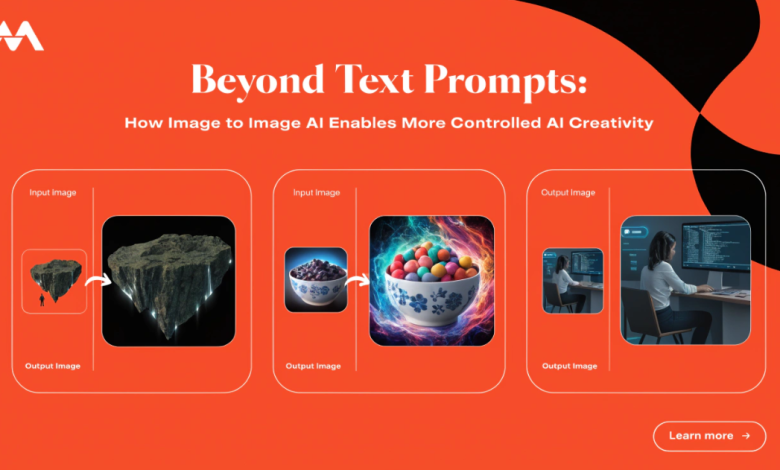
This challenge has increased interest in Image to Image AI, a technology that gives users more control over the creative process. Instead of relying only on written descriptions, creators can begin with an existing image and use AI to transform, enhance, or reinterpret it while preserving important visual elements. This approach combines the flexibility of artificial intelligence with the stability of a visual reference, allowing creators to guide the outcome more precisely.
Moving Beyond Text-Only Creation
Text prompts are excellent for generating completely new ideas, but they often leave many creative decisions to the AI. The system determines composition, object placement, proportions, and numerous artistic details based on its interpretation of the prompt. For some projects, that freedom is exciting. For others, it creates unnecessary uncertainty. Imagine designing a product concept, developing a character illustration, or preparing visuals for a marketing campaign.
If the position of important objects changes every time a new image is generated, maintaining consistency becomes challenging. Image to Image AI addresses this issue by allowing creators to start with a visual foundation instead of a blank canvas.
What Is Image to Image AI?
Image to Image AI is a form of artificial intelligence that transforms an existing image into a new version while preserving selected visual characteristics.
Rather than generating artwork entirely from text, the AI analyzes the uploaded image and uses it as the primary reference. Depending on the user’s goal, the image can be stylized, refined, enhanced, recolored, or creatively reimagined without losing its essential structure.
This process gives users greater influence over the final result because the AI works from a defined visual starting point.
Why Visual References Matter
Creative work often depends on consistency.
- A company wants every marketing graphic to follow the same visual identity.
- A game designer wants characters to maintain recognizable features.
- A product designer wants concept illustrations that preserve the original layout.
Using an image as the starting point allows creators to protect these important visual elements while still exploring new creative directions. Instead of hoping the AI correctly interprets a text prompt, users provide a clear visual guide.
Maintaining Artistic Direction
Creative projects rarely end after producing a single image. Designers typically create several variations before selecting the strongest concept. With text-only generation, each variation may differ significantly.
Image to Image AI makes experimentation more controlled because every variation begins with the same reference image. Creators can compare different artistic styles, lighting conditions, textures, or color treatments while preserving the original composition. This creates a more organized creative workflow.
Supporting Professional Design Work
Many professional designers use sketches, wireframes, or rough drafts during early concept development.
- Image to Image AI fits naturally into this process.
- A hand-drawn sketch can become a polished illustration.
- A basic product concept can evolve into multiple design directions.
- A simple architectural drawing can be transformed into a more detailed visualization.
Rather than replacing traditional design methods, AI extends them by accelerating visual exploration.
Helping Marketing Teams Create Consistent Visuals
Marketing campaigns often require several versions of the same design. A single campaign may include website banners, social media graphics, email illustrations, digital advertisements, and promotional materials.
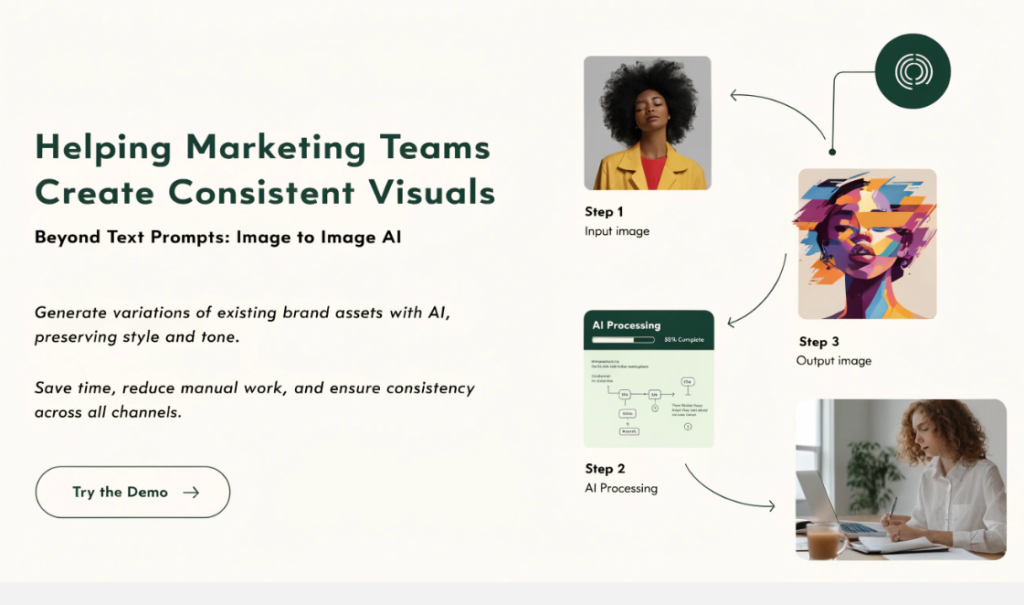
Keeping these visuals consistent across different formats is important for brand recognition. Image to Image AI allows marketing teams to adapt existing artwork instead of creating every visual from the beginning. This saves time while helping campaigns maintain a unified appearance.
Supporting Content Creators
Bloggers, educators, and social media creators regularly produce visual content. Instead of generating unrelated images for every project, they can build a recognizable visual style by transforming existing artwork into fresh variations. For example, one illustration can inspire several related graphics while maintaining a consistent artistic identity. This makes long-term content planning much more manageable.
Practical Uses Across Different Industries
Image to Image AI supports a wide range of creative applications, including:
- Marketing graphics
- Product concept development
- Book illustrations
- Educational materials
- Interior design visualization
- Fashion concept art
- Social media content
- Website graphics
- Storyboarding
- Presentation visuals
Its flexibility allows professionals in different fields to adapt images according to their own creative goals.
Improving Collaboration
Creative projects often involve several people. Designers, marketers, project managers, and clients may all review the same artwork before approving the final version.
Using a shared reference image makes communication easier because everyone works from the same visual starting point.
Instead of discussing abstract text prompts, teams can review visible changes between image versions. This often simplifies feedback and decision-making.
Reducing Repetitive Work
Traditional editing sometimes requires repeating similar adjustments across multiple images. Color corrections, artistic restyling, visual enhancements, and design variations can consume valuable production time. Image to Image AI automates many of these repetitive tasks while allowing creators to preserve important design elements.
This allows professionals to spend more time making creative decisions rather than performing technical editing.
Tips for Better Results
Image to Image AI performs best when the starting image is clear and well prepared.
To improve the final output:
- Choose a high-resolution source image.
- Make sure the main subject is clearly visible.
- Remove unnecessary distractions when possible.
- Decide which elements should remain unchanged.
- Use clear instructions when requesting modifications.
- Compare multiple variations before selecting the final version.
Careful preparation helps AI produce more accurate and visually consistent results.
Keeping Human Creativity at the Center
Artificial intelligence is a creative assistant, not a replacement for imagination. Every successful project still begins with a person’s vision. Users decide the concept, choose the source image, guide the transformation, and determine whether the final result communicates the intended message. AI performs the technical transformation, but the creative direction remains entirely human. This balance allows technology to support creativity while respecting artistic control.
Why Image to Image AI Is Becoming an Essential Creative Tool
As digital content continues to expand, creators need tools that help them produce original visuals efficiently while maintaining consistency.
Image to Image AI provides that balance by combining the flexibility of artificial intelligence with the reliability of visual references. Instead of beginning every project from scratch, users can build upon existing images, refine their ideas, and generate new creative possibilities without losing control of the overall design.
This approach benefits businesses, educators, designers, marketers, artists, and content creators who value both efficiency and creative precision.
Conclusion
Text prompts introduced millions of people to AI-generated artwork, but many creative projects require greater control than text alone can provide. Image to Image AI bridges that gap by allowing users to transform existing visuals while preserving the structure, composition, and identity that matter most.
Whether refining marketing graphics, exploring artistic styles, developing product concepts, or creating educational materials, Image to Image AI offers a more guided approach to AI-assisted creativity. By combining human ideas with intelligent image transformation, it enables creators to work more efficiently while maintaining confidence in the direction of every visual project.