Artificial intelligence is transforming the way businesses interact with customers. From personalized product recommendations and tailored email campaigns to AI-generated gift suggestions, brands are using machine learning to create more relevant experiences at scale. The goal is simple: make every customer feel understood.
But personalization isn’t just about delivering the right product at the right time. It’s also about creating meaningful connections. As AI becomes more involved in customer engagement, businesses face an important challenge: how do they use automation without losing the authenticity of customers’ value?
Why Personalization Matters
Today’s consumers expect businesses to recognize their preferences and anticipate their needs. Generic marketing messages no longer stand out, while personalized experiences often lead to higher engagement, stronger loyalty, and increased customer satisfaction.
AI enables companies to analyze browsing behavior, purchase history, and customer interactions in real time, allowing them to deliver recommendations that feel relevant rather than random. However, personalization is most effective when it serves the customer instead of simply driving sales.
AI Makes Personalization Scalable
One of AI’s greatest strengths is its ability to personalize experiences for thousands—or even millions—of customers simultaneously.
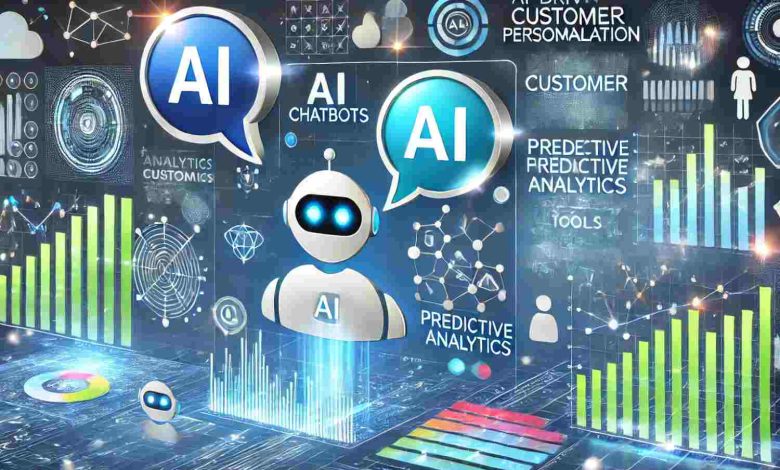
Retailers use AI to recommend products based on shopping habits. Streaming platforms suggest content tailored to viewing preferences. Customer service teams deploy intelligent chatbots that remember previous interactions and provide faster support.
These capabilities help businesses improve efficiency while delivering experiences customers increasingly expect.
Expert Insight: Personalization Should Strengthen Relationships
According to Chris Wu, Founder of GiftisLove, personalization is especially valuable in industries where purchases carry emotional meaning. AI can analyze customer preferences and simplify gift recommendations, but the final experience should still feel thoughtful rather than automated.
For businesses in the gifting space, technology works best when it removes friction without replacing human intention. A recommendation engine may identify products a customer is likely to appreciate, but meaningful gifting still depends on understanding relationships, special occasions, and personal stories. AI should enhance those moments rather than make them feel transactional.
The Risk of Losing Authenticity
While AI can make personalization more accurate, it can also make interactions feel overly scripted if businesses rely too heavily on automation.
Customers quickly notice when emails, recommendations, or marketing messages appear generated without genuine understanding. Personalization that feels forced or excessively data-driven may reduce trust instead of strengthening it.
Brands must remember that customers want relevance, but they also want sincerity.
Expert Insight: AI Should Support Human Strategy, Not Replace It
Vince Tint, Founder and CEO of 12 Steps Marketing, believes AI is most effective when it supports marketers rather than replacing their judgment. Automation allows businesses to process customer data faster, identify trends, and improve campaign performance, but strategic thinking still requires human experience.
Successful brands use AI to make better decisions while ensuring every customer interaction reflects their voice, values, and personality. Technology can improve efficiency, but long-term customer relationships are built through consistency, transparency, and authentic communication.
Finding the Right Balance
The most successful personalization strategies combine AI with human oversight.
Businesses can use artificial intelligence to identify customer preferences, recommend relevant products, and automate routine communication while allowing employees to add creativity, empathy, and context where it matters most.
This hybrid approach delivers both operational efficiency and meaningful customer experiences.
Expert Insight: Trust Is the Foundation of Personalization

Marc Caposino, CEO and Co-Founder of Fuselab Creative, emphasizes that personalization succeeds only when customers trust the brands collecting and using their data. AI may generate increasingly accurate recommendations, but businesses must remain transparent about how customer information is gathered and applied.
Customers are more willing to engage with personalized experiences when they understand the value exchange. Clear privacy practices, ethical data use, and honest communication help create confidence, making AI-powered personalization feel helpful rather than intrusive.
The Future of AI Personalization
Artificial intelligence will continue to improve customer experiences as predictive models become more sophisticated. Businesses will better anticipate customer needs, deliver more relevant recommendations, and reduce friction throughout the buying journey.
However, the brands that stand out won’t simply have the smartest algorithms. They’ll know when to combine automation with genuine human interaction.
Technology can identify patterns, but people create emotional connections. AI can recommend a gift, answer a question, or personalize an offer, but authenticity still comes from understanding the customer beyond the data.
Conclusion
AI-generated personalization has the power to improve customer satisfaction by making experiences faster, more relevant, and more convenient. Yet automation alone cannot build lasting relationships.
As Chris Wu highlights, personalization should preserve the emotional value behind customer interactions. Vince Tint demonstrates that AI delivers the best results when paired with human strategy, while Marc Caposino reminds businesses that trust and transparency are essential to every personalized experience.
The future of customer engagement isn’t about choosing between AI and authenticity. It’s about using technology to make human connections stronger, not replace them.