Over the last decade, gaming has evolved from a simple entertainment product into a continuously operating digital economy. What used to be a straightforward “buy and play” experience has gradually transformed into a layered system of progression, monetization, and time-sensitive decision-making.
One of the least discussed parts of this transformation is the way in-game purchases have changed. Game top-ups are no longer isolated transactions — they are now embedded into event cycles, reward systems, and player psychology loops.
This shift is subtle, but it fundamentally changes how players interact with games and how they manage spending behavior.
From Transaction to Decision System
In early mobile gaming, purchasing in-game currency was a simple utility action. Players would buy what they needed, when they needed it, with very little friction or strategic consideration.
Today, that simplicity no longer exists. Games like PUBG MOBILE, Mobile Legends: Bang Bang, and Free Fire regularly introduce limited-time events, rotating banners, and time-sensitive reward structures.
These systems introduce pressure points in player decision-making. A purchase is no longer just a purchase — it is a timing decision, a value optimization, and often a reaction to scarcity design.
The Rise of Structured Top-Up Platforms
As complexity increases, players naturally begin to seek more structured ways to manage transactions. Instead of treating each purchase as an isolated action, some platforms are now attempting to organize the entire top-up experience into a unified system.
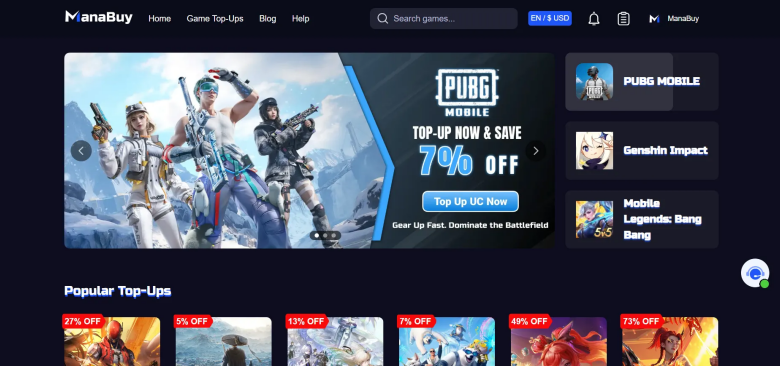
One example is ManaBuy, which positions itself as a centralized environment for handling multi-game top-ups.
The key shift here is not about pricing or speed alone, but about reducing fragmentation. Rather than switching between different game stores and payment interfaces, players operate within a single system designed for multiple titles and currencies.
Why Structure Matters More Than Convenience
At first glance, game top-ups may seem like a convenience problem — faster checkout, easier payment, better UX. But the deeper issue is actually cognitive load.
Players are constantly required to evaluate:
- Whether an event is worth participating in
- Whether timing affects value outcomes
- Whether spending aligns with progression goals
Without structure, these decisions become repetitive and emotionally driven. With structure, they become more intentional and easier to evaluate over time.
Beyond Top-Ups: The Idea of Managed Game Transactions
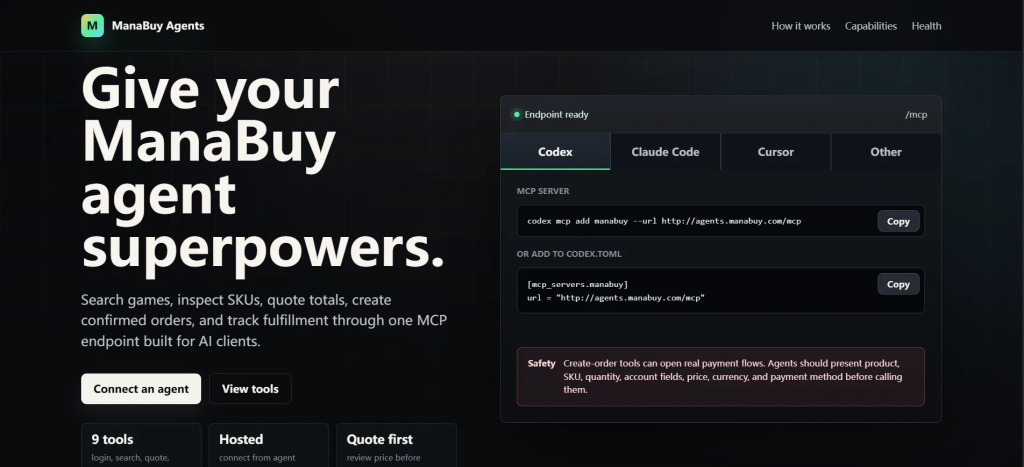
A newer concept emerging in this space is the idea that game spending itself can be “managed” rather than executed manually each time.
This is where systems like ManaBuy Agents introduce a different layer of abstraction. Instead of treating each top-up as a standalone action, the process becomes part of a managed workflow.
This reflects a broader trend across digital economies: automation and structuring of repetitive financial behavior. Similar patterns can already be seen in subscription services, digital wallets, and micro-transaction platforms outside gaming.
Implications for Player Behavior
When spending becomes structured, player behavior shifts in subtle but important ways. Decisions become less reactive and more planned. Impulse spending decreases, while long-term engagement strategies become more common.
This does not necessarily reduce spending — instead, it redistributes it. Players begin optimizing timing, value, and intent rather than reacting to immediate prompts.
Conclusion
Game economies are no longer just about content and rewards — they are about systems of decision-making.
Platforms like ManaBuy and its Agent layer represent an early attempt to structure this complexity, not by simplifying games themselves, but by organizing how players interact with their economic layers.
As live-service games continue to expand, the distinction between gameplay and financial decision-making will likely continue to blur. In that environment, structure may become just as important as speed or price.