In 2026, music promotion is no longer only about releasing a track and waiting for listeners to find it. Artists, producers, labels, and content creators now operate in a video-first environment where every song needs a strong visual presence. A listener may discover a new artist through a YouTube recommendation, a short-form clip on TikTok, an Instagram Reel, a blog article, a playlist feature, or even an AI-generated search summary. In this environment, the visual identity around a track can influence how quickly people stop scrolling, listen, share, and remember the music.
This shift has created a new challenge for independent creators. High-quality visual content is important, but traditional video production can be expensive and slow. A professional music video may require a concept, location, crew, lighting, editing, color grading, motion design, and multiple rounds of revision. For many independent musicians, that level of production is not realistic for every release. Yet modern platforms often reward artists who can publish consistently and adapt their content to different formats.
That is why the rise of the AI music video generator is becoming a major part of the music technology conversation in 2026. Instead of treating video as a one-time luxury, artists can now use AI-powered tools to turn songs into cinematic visual content, promotional clips, visualizers, and campaign assets faster than before.
Why Music Promotion Has Become More Visual
Music has always had a visual side. Album covers, stage design, photography, and music videos have shaped how audiences understand artists for decades. What has changed is the number of visual touchpoints required for a modern release. A single track may need a full video for YouTube, a vertical teaser for TikTok, a short clip for Instagram Reels, a looping visual for streaming-related promotion, and multiple assets for newsletters, websites, and press placements.
In 2026, audiences often see music before they fully hear it. A strong thumbnail, cinematic scene, or short visual hook can determine whether someone clicks play. This is especially true for independent artists who do not have the advantage of major-label promotion. A compelling visual can help a track feel more professional, more memorable, and easier to share.
Video also helps communicate mood quickly. A dark electronic track, a dreamy indie song, a cinematic orchestral piece, or a high-energy hip-hop beat can each benefit from different visual languages. When the visuals match the sound, the audience understands the emotional direction of the track faster.
The Problem With Traditional Music Video Production
Traditional music videos remain valuable, but they are not always practical for every creator. A full production can take weeks or months. It may involve a director, videographer, editor, location, actors, wardrobe, equipment, post-production, and a marketing plan. For established artists, this may be part of the normal release budget. For independent musicians and producers, it can be a major barrier.
The speed of digital promotion makes this problem more serious. Artists are expected to release regularly, post consistently, and keep their audience engaged between major projects. A single video may not be enough. Release campaigns now often require multiple visual assets before, during, and after launch day.
This is where AI video tools create practical value. They help creators move from audio to visual content faster, allowing artists to produce more assets without rebuilding the entire production process each time.
How AI Music Video Generators Change the Workflow
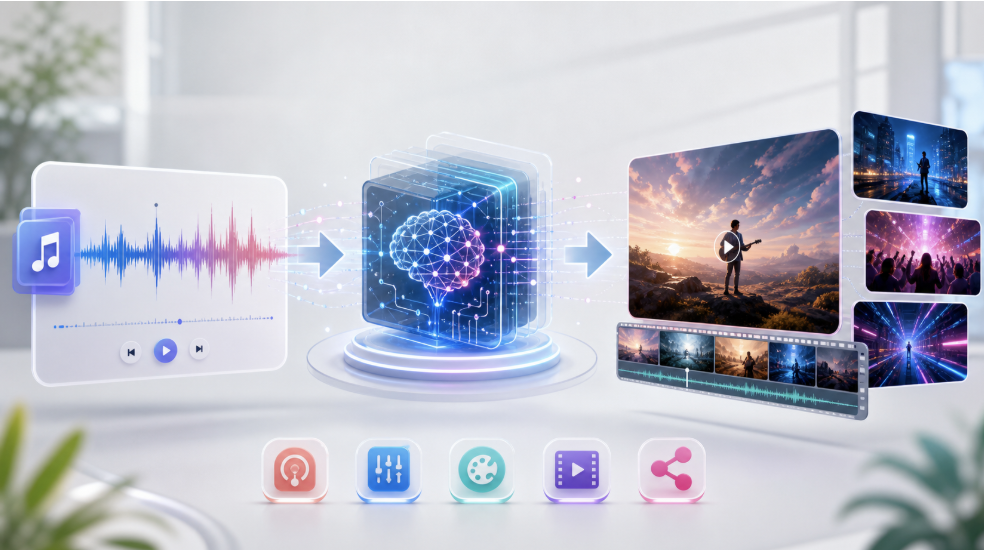
An AI music video generator changes the starting point of video creation. Instead of beginning with a camera shoot or a blank editing timeline, the creator begins with the song itself. The audio becomes the foundation for the visual direction. AI can analyze rhythm, mood, intensity, structure, and atmosphere, then help generate visuals that feel connected to the track.
This workflow is useful because it treats music as the creative source. A creator does not need to force generic visuals onto a song. Instead, they can create scenes, pacing, and visual energy that support the audio. For many artists, this makes the final content feel more natural and more aligned with the emotional identity of the release.
Tools like MusVideo are designed around this shift. By using an AI music video generator, creators can turn uploaded music into cinematic video content without needing advanced editing skills or a full production team. This makes the technology useful for musicians, producers, beat makers, podcasters, content creators, and small labels that need more visual assets around audio-first content.
From One Song to a Complete Visual Campaign
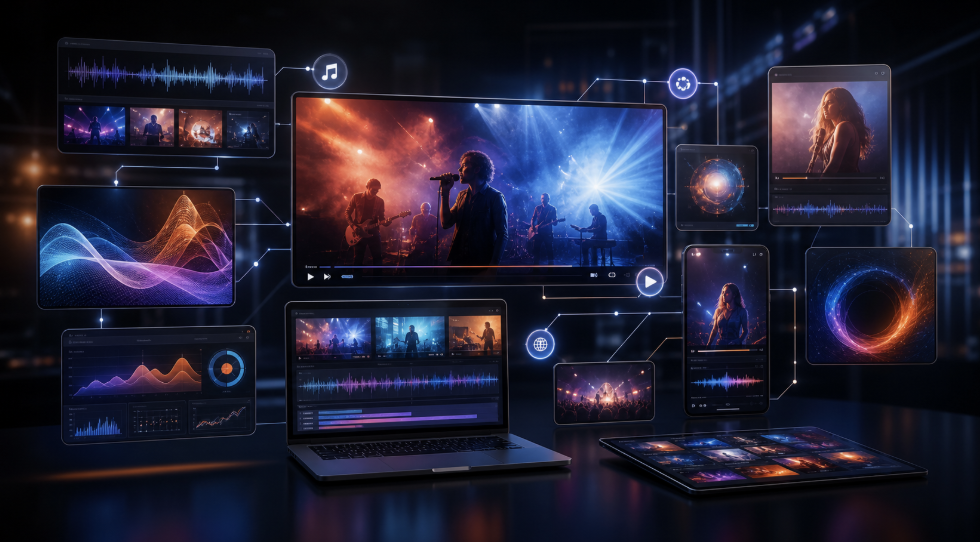
One of the most important benefits of AI-generated music videos is content multiplication. A single track can become more than one finished video. It can become a complete visual campaign. An artist might create a full music video for YouTube, a shorter teaser for social media, a vertical version for Reels and TikTok, a looping background for promotional posts, and visual snippets for release-week content.
This matters because music promotion rarely happens in one moment. A campaign often starts before the song is released and continues after the track is live. Artists need ways to remind audiences about the release without repeating the same message every day. Different visual assets allow creators to keep the campaign active while showing new angles of the same song.
For independent artists, this can be especially powerful. Instead of spending an entire budget on one video, they can create multiple visual touchpoints that support the song across platforms. This does not mean every asset must look the same. It means the visuals can share a consistent mood, style, or identity that helps the audience recognize the release.
Why 2026 Is a Turning Point for AI Music Video Creation
Several trends are coming together in 2026. First, video-first platforms continue to shape music discovery. Second, AI tools are becoming easier for everyday creators to use. Third, independent artists are increasingly responsible for their own marketing, branding, and content production. These trends make AI video generation more than a novelty. It becomes part of the working toolkit for modern music promotion.
The creator economy rewards speed and consistency, but it also rewards originality. The artists who benefit most from AI video tools will not simply generate random visuals. They will use AI with direction. They will think about mood, genre, platform, pacing, audience, and story. The tool can reduce production friction, but the artist still provides taste and intent.
This is why AI music video generation should be understood as a creative workflow, not just a shortcut. It allows artists to test ideas, build visual worlds, create promotional assets, and publish more consistently. The best results happen when the technology supports a clear artistic vision.
AI Video and Music Discovery
Video is also becoming important for search and discovery. Search engines, social platforms, recommendation systems, and AI-powered answer engines all rely on context. A song with supporting video content has more surfaces where it can be found, indexed, embedded, shared, and recommended.
A music video can appear in YouTube search. A short clip can perform in a social feed. A blog post can embed a visual asset. A press feature can include screenshots or campaign images. These different placements help build a stronger digital footprint around the track, artist, or music technology brand.
For software platforms in the music creation space, this also matters. Clear articles, structured headings, descriptive image alt text, and contextual links help search engines and AI systems understand what the product does. A platform associated with terms like music video creation, audio-to-video generation, visualizers, cinematic music videos, and creator tools has a better chance of being understood in relevant discovery environments.
Use Cases for Musicians, Producers, and Podcasters
Musicians can use AI-generated videos to support single releases, EP campaigns, album teasers, lyric-style visuals, and social promotion. Producers can create visual content for beats, instrumental tracks, sample packs, or portfolio showcases. Small labels can support multiple artists with faster content production. Podcasters and audio creators can use music-driven visuals for trailers, intros, episode teasers, or branded clips.
The common thread is that audio becomes easier to package visually. In a crowded feed, an audio file alone may not be enough to capture attention. A visual asset gives the audience a reason to stop, watch, and listen.
Best Practices for Creating AI Music Videos
Creators who want better results should begin with a clear goal. Is the video meant to support a full release, create a short teaser, build visual identity, or drive social engagement? The answer will affect the format, pacing, and visual style.
The visuals should match the track. A slow ambient song may need atmospheric scenes and gradual movement. A high-energy dance track may need faster cuts, bold motion, and stronger contrast. A cinematic song may benefit from dramatic lighting and narrative imagery. The closer the visuals feel to the mood of the music, the more useful the video becomes.
Creators should also plan for multiple formats. A widescreen video may work best for YouTube, while vertical clips are better for TikTok, Reels, and Shorts. Short loops can support social posts, while full videos can serve fans who want a deeper experience. Thinking about format early helps artists get more value from each visual concept.
The Future of Music Promotion Is Multimodal
The future of music promotion will combine sound, image, video, text, search, and AI-driven recommendations. Artists will not only ask whether a song sounds good. They will also ask whether it can be discovered, watched, shared, embedded, summarized, and remembered.
This does not reduce the importance of music. The song remains the foundation. But in 2026, the way that song appears visually can strongly influence how far it travels. A track with strong visual assets has more opportunities to reach audiences across platforms and formats.
That is why platforms like MusVideo are becoming relevant to a wider range of creators. An AI music video generator helps turn audio into visual content that can support branding, promotion, discovery, and engagement. For independent musicians especially, this can make the difference between simply uploading a song and building a complete visual world around it.
As music continues to move through video-first platforms and AI-powered discovery systems, creators who understand visual storytelling will have an advantage. The artists who succeed will be the ones who connect sound with image, emotion with format, and creativity with distribution. AI music video generation gives them a faster way to make that connection.