




For years, conversations about healthy buildings focused primarily on visible factors such as cleanliness, lighting, and overall maintenance. While those elements remain important, schools and workplaces are increasingly paying attention to something that cannot be seen with the naked eye: the quality of the air people breathe throughout the day.
This shift is not simply about comfort. Students spend hours in classrooms, while employees often remain inside offices, meeting rooms, and shared workspaces for most of their working day. As organizations look for ways to improve health, productivity, attendance, and overall well-being, indoor air quality has become a much larger consideration. The environments where people learn and work influence concentration, comfort, and overall satisfaction in ways that are not always immediately obvious.
The Hidden Impact of Indoor Environments
Unlike a broken chair or a flickering light, poor air quality often develops gradually. People may not immediately recognize the source of headaches, fatigue, difficulty concentrating, or persistent discomfort. Instead, these issues can become accepted as part of everyday life.
In schools, crowded classrooms, changing weather conditions, and aging buildings can all influence indoor conditions. A classroom may appear perfectly clean while still struggling with ventilation challenges that affect how students feel throughout the day. Workplaces face many of the same issues. Conference rooms, open office layouts, and enclosed workspaces can accumulate airborne particles, odors, and contaminants over time if building systems are not properly maintained.
As organizations place greater emphasis on environmental quality, firms such as PLA Pro are often brought in to evaluate building conditions and identify factors that may affect the people who occupy those spaces every day. Understanding how indoor environments function is often the first step toward creating healthier and more productive spaces.
Schools Are Looking Beyond Traditional Maintenance
Many school administrators now recognize that maintaining a healthy learning environment involves more than keeping facilities visually clean. Air circulation, humidity control, filtration systems, and pollutant management have become increasingly important considerations when evaluating school buildings.
A facilities manager preparing a campus for a new academic year may inspect ventilation equipment with the same attention given to classroom technology, security systems, and building safety features. The goal is not simply to meet operational requirements but to create an environment where students and teachers can perform at their best.
This broader perspective reflects a growing understanding that building performance influences the people who occupy those spaces every day. When students spend months inside the same classrooms, even relatively small environmental improvements can have a meaningful impact on their overall experience.
Workplaces Are Competing for Healthier Environments
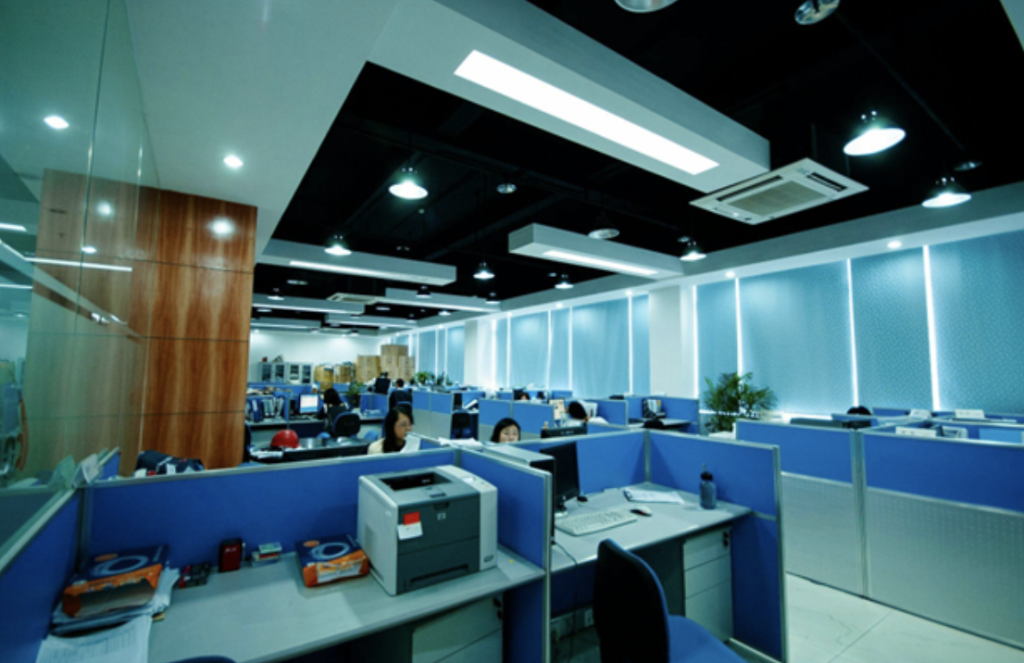
Photo by blue sky on Unsplash
The modern workplace has changed significantly in recent years. Employers increasingly recognize that office design influences employee satisfaction, productivity, and retention. Air quality has become part of that conversation.
Employees who spend eight or more hours per day indoors naturally notice whether a space feels fresh, comfortable, and well-maintained. Poor ventilation, excessive humidity, and stale indoor conditions can create an environment that feels less inviting regardless of how attractive the office appears.
As organizations invest in healthier workplaces, attention has expanded beyond furniture and aesthetics. Ventilation improvements, filtration systems, and environmental monitoring are now viewed as practical investments that support employee well-being. Creating a comfortable indoor environment is increasingly seen as part of building a workplace where people want to spend their time.
Odor Control Has Become Part of the Equation
When people think about indoor air quality, they often focus on ventilation systems and air filters. Yet odors can have a significant influence on how occupants perceive an environment.
Carpets, upholstered furniture, and high-traffic areas can retain smells long after the original source has disappeared. In schools, common areas, libraries, and administrative offices often experience heavy daily use. In workplaces, conference rooms and shared spaces can face similar challenges.
A maintenance team trying to improve conditions in a frequently used area may discover that routine cleaning removes visible dirt without fully addressing lingering smells trapped within flooring materials. In those situations, an odor eliminator for carpets becomes part of the effort to restore a fresher environment by targeting odors embedded deep within carpet fibers rather than simply covering them up.
The result is not only a cleaner-smelling space but also a more welcoming environment for students, employees, visitors, and staff members who spend long periods indoors.
Indoor Air Quality Is Now a Long-Term Priority
One reason indoor air quality has become a larger priority is that organizations increasingly view it as an ongoing responsibility rather than a one-time project. Improving indoor conditions is not achieved through a single upgrade or maintenance visit. It requires consistent attention to building systems, cleaning practices, moisture control, and environmental management.
Schools and workplaces that take a long-term approach often focus on prevention as much as correction. Identifying potential issues before they become larger problems can help reduce disruptions while supporting healthier indoor environments throughout the year.
As expectations for healthier buildings continue to rise, indoor air quality is likely to remain a central consideration for both educational institutions and employers. People spend a significant portion of their lives indoors, and the conditions within those spaces influence far more than comfort alone. The growing emphasis on indoor environments reflects a broader understanding that healthier spaces support healthier, more productive, and more successful communities.