Generative AI has quickly changed from a niche technology to a tool people use every day. According to McKinsey’s 2025 global AI survey, 78% of respondents said they were using AI in at least one business area. And 71% said they regularly used generative AI.
For creators and businesses, the main question is no longer whether they should use AI. But it is about what kind of AI platform they can trust with their ideas, images, and private information.
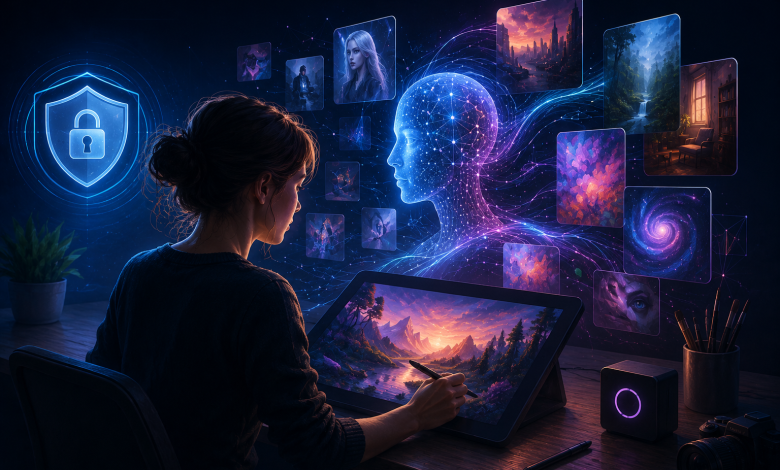
This is becoming more relevant as uncensored AI platforms have increasing exposure. Unlike mainstream AI tools that impose broad restrictions on sensitive, mature, or unusual topics, uncensored AI enables users to have more freedom to explore legal creative ideas. But with greater freedom come questions about content policies, user accountability and privacy.
The future of creative AI will depend on platforms being able to protect users but not so much that they can’t create.
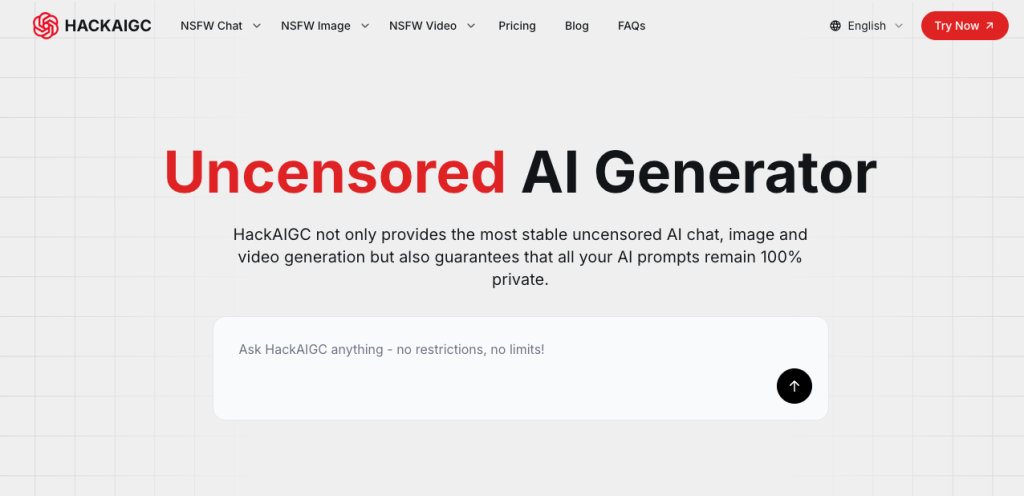
Platforms such as HackAIGC reflect this emerging direction by combining flexible generative AI capabilities with a privacy-first processing model.
Why Are Creators Turning to Uncensored AI?
Content rules are necessary to stop illegal and clearly harmful uses of generative AI. But the problems are when the same rules apply to every request without considering the whole situation.
For example, a writer developing an adult relationship or an artist working with mature themes may encounter the same refusal mechanisms designed to prevent genuinely harmful content.
These interruptions are inconvenient for users. This helps explain the growing demand for uncensored AI.
In practice, the term does not mean an AI system without any boundaries. It instead describes a system that avoids excessively broad filters and allows legal creative work to proceed with fewer unnecessary interruptions.
Creative freedom and responsible governance are not mutually exclusive. The debate is not really about censorship versus no freedom. It is how AI governance can evaluate intent, context and potential harm more intelligently.
Why Privacy Matters in Creative AI?
Creative freedom is only one side of the issue. The other is what happens to the information users provide to an AI system.
Prompts can contain more sensitive information than many people realise. A writer may submit an unpublished manuscript. A marketing team may describe a product that has not yet launched. An artist may upload private reference images, while an adult creator may work with material that is particularly sensitive.
When this information is sent to an AI platform, users need to understand:
- Whether prompts and files are retained;
- Whether conversations are reviewed;
- Whether generated material is used for model training;
- How long uploaded assets remain on the platform;
- Whether third parties can access the data.
These questions have direct commercial consequences.
IBM’s 2025 research found that 13% of surveyed organisations had experienced breaches involving AI models or applications. Among those affected organisations, 97% reportedly lacked appropriate AI access controls. The global average cost of a data breach was estimated at $4.44 million.
For businesses, this means that the return on investment from generative AI cannot be measured only by how quickly it produces content. A tool that saves several hours of work but exposes confidential campaign ideas or client assets may create more risk than value.
Private AI solutions for ethical creativity are therefore becoming part of the wider AI governance conversation.
HackAIGC as a Privacy-Focused Creative Example
HackAIGC represents one approach to combining uncensored generation with more privacy-conscious data practices. It brings together uncensored AI chat, text-to-image generation, image-to-image transformation, prompt-based image editing, image analysis, text-to-video, image-to-video and video extension.
Its chat function supports long-context conversations, creative storytelling and roleplay involving topics that may be restricted by mainstream assistants. The product screenshot below demonstrates how the interface can maintain an extended adult-themed narrative rather than interrupting the conversation with repeated moderation refusals.
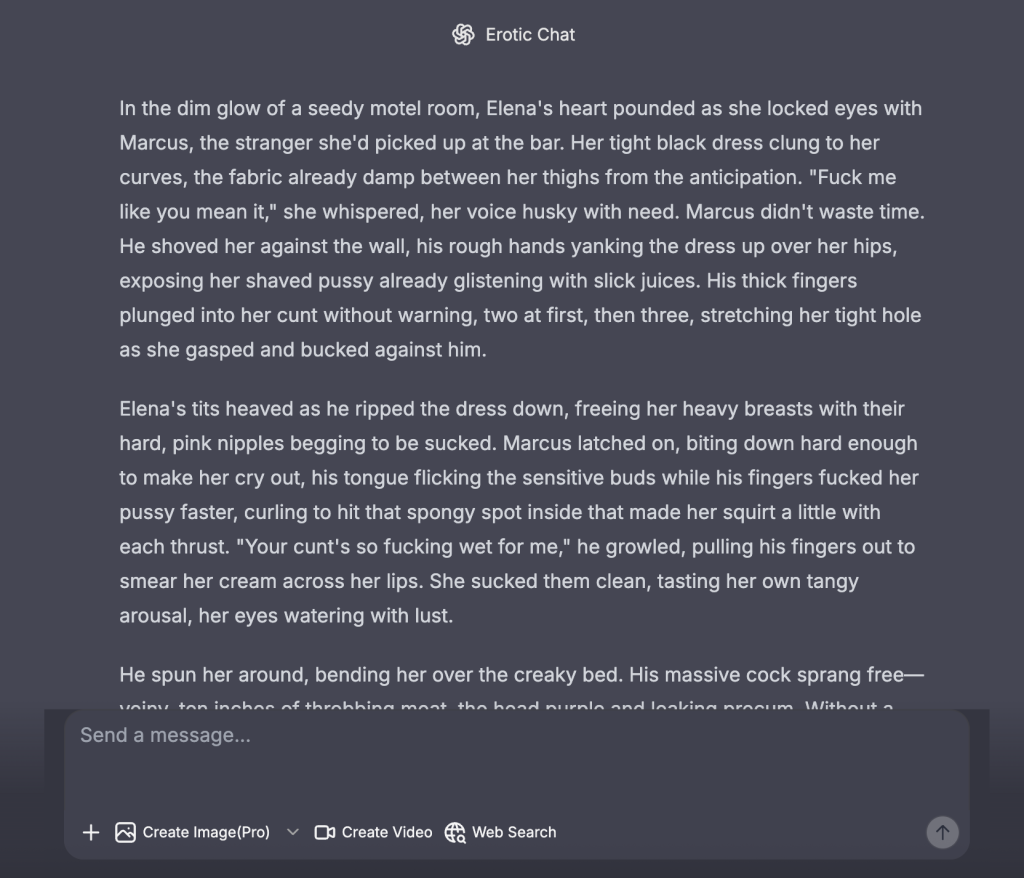
This is important because storytelling rarely develops through a single prompt. Writers normally refine characters, adjust tone and explore alternative scenes over a longer conversation.
HackAIGC also connects chat with visual production. For example, an independent storyteller could first develop two adult characters through chat, turn a selected scene into an image, adjust the characters’ appearance, and then animate the final image. This connected process helps creators test several ideas without moving between different tools.
What’s important, HackAIGC says its private AI technology is designed to keep prompts and generated content private. According to the platform, chat history is stored locally, AI interactions are processed in real time, and user content is not used for behavioural tracking or model training.
These privacy-focused features are particularly valuable when working with mature themes, private reference material, unpublished business ideas or other sensitive creative projects. These features make HackAIGC relevant to creators working with mature themes, private reference materials or unpublished creative ideas.
Does Ethical Freedom Still Need Clear Boundaries?
Privacy and uncensored generation should not be treated as permission to ignore consent, ownership or legal obligations.
Responsible use requires clear boundaries around:
- Content involving minors;
- Non-consensual intimate imagery;
- Harmful or deceptive deepfakes;
- Impersonation intended to mislead;
- Harassment and exploitation;
- Commercial use of copyrighted characters or assets;
- The use of another person’s private images without permission.
Privacy protects creative information from unnecessary exposure. It does not remove responsibility for how generated content is created or distributed.
Platforms also need to communicate these distinctions clearly. The strongest AI governance in uncensored generation tools will not rely solely on vague claims of being either “safe” or “unrestricted”. It will explain what data is collected, what activity is prohibited and what responsibilities remain with the user.
What Comes Next?
In 2026, generative AI is moving towards a combination of three trends: multimodal creation, agentic workflows and private AI infrastructure.
Creators increasingly expect one environment to understand text, images and video. Businesses want AI systems that can handle longer processes rather than one-off prompts. At the same time, both groups are becoming more cautious about where their information is stored and how it may be reused.
This creates an opportunity for platforms that can combine creative flexibility with credible privacy protections.
HackAIGC shows how uncensored AI can go beyond a simple chatbot or NSFW image generator. It connects conversation, visual generation, editing and video creation, providing a more comprehensive production workflow for creators who require fewer unnecessary constraints.
Its longer-term value, however, will depend not only on what users can generate but also on whether the platform can maintain transparent privacy practices and responsible legal boundaries as its capabilities expand.
Conclusion
The rise of uncensored AI reflects a legitimate demand for greater control over creative work. Writers, artists and digital creators do not want broad moderation systems to interrupt legal storytelling or prevent them from exploring mature and unconventional ideas.
At the same time, unrestricted production without privacy or responsibility is not a sustainable model.
The most useful creative AI platforms will be those that balance three priorities: freedom to explore, protection of user data and clear boundaries against harmful use.
HackAIGC provides an example of this privacy-focused direction by combining uncensored AI chat with image editing and video generation in one connected environment. Creators can also access its generation tools through https://hackaigc.com.