
Dealership CRMs are still the central system for managing customer records, sales activity, appointments, and follow-up. They help teams organize opportunities and keep managers informed about what is happening across the store. However, many CRMs were not built for the speed and complexity of today’s digital shoppers. Online buyers expect quick answers, relevant communication, and a smoother path from interest to action. That is where an AI engagement layer for automotive CRM can help. Instead of replacing the CRM, it adds a smarter layer of communication, prioritization, and customer understanding on top of the tools dealerships already use.
What Is an AI Engagement Layer?
An AI engagement layer is a technology layer that works between the customer and the dealership’s existing CRM processes. It can capture customer intent, respond to inquiries, qualify shoppers, organize next steps, and update the CRM with useful information. The goal is not to create another disconnected system. The goal is to make the CRM more effective by improving the quality and timing of customer engagement. This layer can support digital leads from websites, chats, forms, paid ads, third-party listings, and other lead sources.
In practical terms, an AI engagement layer helps dealerships manage the moments that happen before, during, and after a traditional CRM task. For example, it may answer a shopper’s question about vehicle availability, collect trade-in details, confirm preferred appointment times, or identify whether a lead is ready to speak with a salesperson. It can also summarize conversations and send structured notes back into the CRM. This gives sales teams better context without forcing them to manually review every interaction. When used correctly, AI does not replace human salespeople. It helps them focus on the leads and conversations that need human attention most.
Why CRMs Need More Support Today
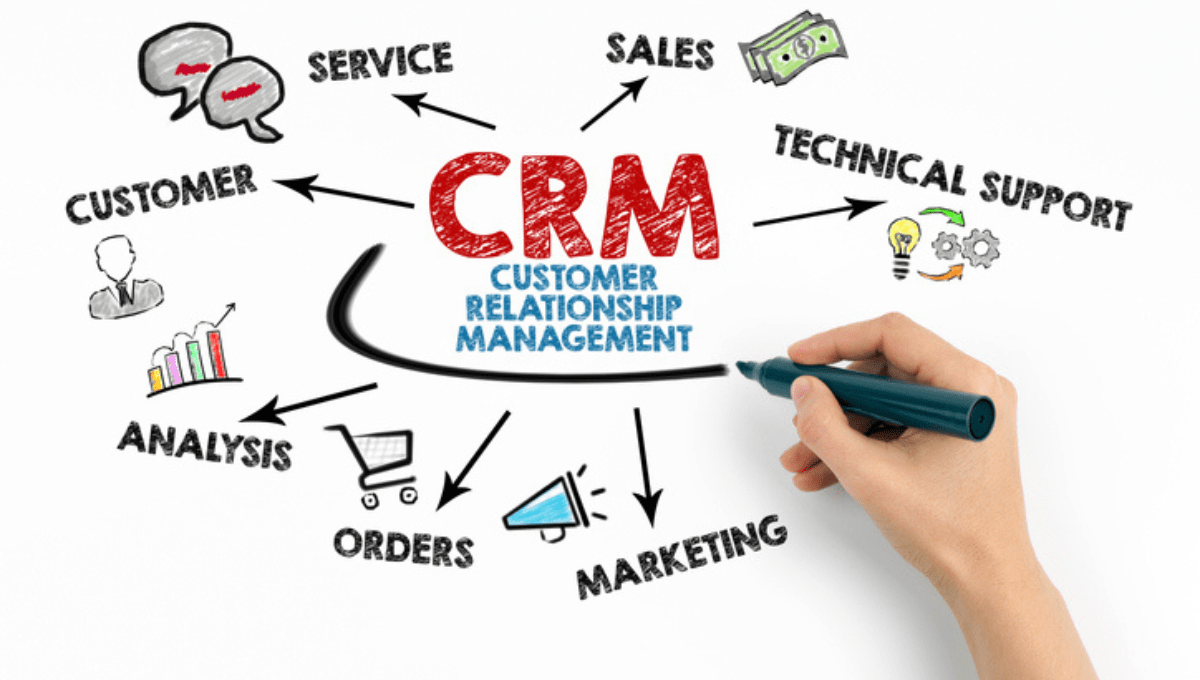
Automotive CRMs are valuable, but many were designed around task management rather than real-time engagement. A CRM can remind a salesperson to call a lead, but it may not understand what the shopper wants at that exact moment. It can store contact information, but it may not automatically interpret customer intent across multiple channels. It can log an email or text, but it may not help decide which lead is most urgent. These gaps become more visible as digital lead volume increases.
Today’s shoppers often interact with a dealership long before they are ready to visit. They may compare payments, ask about a specific vehicle, check trade-in values, submit a finance form, and return later through another channel. If those actions are not connected, the CRM record may only show a small part of the journey. Salespeople then start follow-up with limited context. That can lead to generic messages, missed questions, delayed responses, and lower conversion. An AI engagement layer helps fill these gaps by organizing customer signals into clearer, more actionable information.
How AI Works With CRM Data
An AI engagement layer usually connects to the CRM through integrations, lead feeds, APIs, or approved data syncs. Once connected, it can read or receive lead information and then add new insights back to the customer record. This might include conversation summaries, lead intent, appointment preferences, vehicle interest, budget details, trade-in information, and recommended next steps. The CRM remains the system of record, while the AI layer improves the quality of engagement around that record. This structure allows dealerships to keep their existing workflows while making them more responsive.
The AI layer can also help standardize information. Instead of a salesperson receiving a vague note like “customer interested,” the CRM could receive a cleaner summary of what the customer asked, which vehicle they discussed, and what action should happen next. That makes follow-up easier and more consistent. It also helps managers review performance with better visibility. The value is not just automation. The value is a better context delivered where the team already works.
Useful CRM updates from an AI engagement layer may include:
- Customer intent level
- Vehicle of interest
- Trade-in details
- Finance or payment preferences
- Appointment availability
- Lead source and channel context
- Conversation summary
- Recommended next action
- Urgency or buying timeline
- Unanswered customer questions
Improving Lead Response Speed
One of the biggest advantages of an AI engagement layer is response speed. Digital shoppers often expect immediate communication, especially after submitting a form or asking a question online. A dealership team may not always be available to respond instantly, particularly after hours or during busy sales periods. AI can provide an immediate first response and keep the conversation moving until a human team member takes over. This reduces the chance that a shopper goes cold while waiting.
Fast response does not mean sending a generic automated message. A strong AI engagement layer should respond based on the customer’s actual request. If the shopper asks whether a vehicle is available, the response should address availability or collect the information needed to confirm it. If the shopper asks about payments, the interaction should move toward budget, terms, credit, or finance preferences. If the shopper wants an appointment, the AI can help identify a time and prepare the handoff. The faster the dealership can provide relevant engagement, the more likely the shopper is to continue the conversation.
Helping Sales Teams Prioritize Leads
Not every lead deserves the same level of urgency. Some shoppers are ready to buy, while others are only researching. Some are focused on one vehicle, while others are browsing broadly. Some have submitted finance details, asked for an appointment, or returned to the site multiple times. A CRM may capture the lead, but it may not always rank the opportunity clearly for the sales team.
An AI engagement layer can help separate high-intent leads from low-intent leads. It can analyze signals such as customer questions, form type, vehicle interest, conversation behavior, and buying timeline. Then it can help route or flag leads based on urgency. This allows salespeople to focus their energy where it matters most. It also helps managers make sure strong opportunities are not buried under general inquiries.
Examples of high-intent signals include:
- Asking if a specific vehicle is still available
- Requesting an appointment or test drive
- Starting a finance application
- Providing trade-in information
- Asking about the final price or the monthly payment
- Responding quickly to follow-up
- Returning to the same vehicle multiple times
Creating Better Customer Handoffs
A common problem in dealership lead handling is the handoff from digital interaction to human follow-up. Customers may share information through chat, text, forms, or calls, only to be asked the same questions again by a salesperson. This can make the dealership feel disorganized. It also creates friction at a moment when the shopper is already showing interest. A better handoff makes the customer feel understood.
An AI engagement layer can improve this transition by summarizing the conversation and pushing key details into the CRM. The salesperson can see what the customer wants, what has already been answered, and what still needs attention. This makes the first human response more relevant. Instead of starting with “How can I help?,” the salesperson can start with a specific answer or next step. That saves time for the team and creates a better experience for the shopper.
Supporting Consistent Follow-Up
Consistency is another major benefit of using AI with an existing CRM. Dealerships often have follow-up processes, but execution can vary from person to person. One salesperson may respond quickly with a helpful message, while another may rely on a basic template. Some leads may receive multiple touches, while others may be forgotten after the first attempt. AI can help reduce these gaps by supporting more consistent engagement.
This does not mean every customer should receive the same message. In fact, the best AI engagement layer should make follow-up more personalized, not less. It can adjust communication based on the shopper’s vehicle, question, timeline, and previous interaction. It can also remind the team when a lead needs attention or when a customer has re-engaged. The result is a process that feels more organized without becoming robotic.
FAQ: AI Engagement Layers and Automotive CRMs
What is an AI engagement layer for automotive CRM?
An AI engagement layer for automotive CRM is a tool that works with the dealership’s existing CRM to improve lead response, customer communication, lead qualification, and follow-up.
Does AI replace the dealership CRM?
No. The CRM remains the main system for records, tasks, reporting, and sales management. AI adds engagement and intelligence around the CRM.
Will AI replace salespeople?
No. AI is best used to support salespeople by handling early engagement, collecting information, and identifying strong opportunities. Human salespeople are still needed for relationship building, negotiation, and closing.
How does AI improve lead conversion?
AI can respond faster, personalize communication, qualify shoppers, reduce missed opportunities, and give sales teams better context before follow-up.
Can AI work with older CRMs?
In many cases, yes. The level of integration depends on the CRM, available data access, lead routing setup, and vendor compatibility.
What should dealerships look for in an AI engagement layer?
Dealerships should look for CRM compatibility, clean handoffs, accurate summaries, lead prioritization, transparent reporting, and controls that align with their sales process.
Making the CRM More Valuable
The purpose of an AI engagement layer is not to add complexity. It should make the CRM more useful by improving the information that enters it and the actions that come from it. When AI captures better customer context, the CRM becomes more than a task list. It becomes a clearer picture of shopper intent, communication history, and sales opportunity. That helps salespeople respond with more confidence and helps managers coach with better data.
Dealerships should approach AI as an extension of their current process. The first step is understanding where leads are being delayed, mishandled, duplicated, or lost. From there, the dealership can identify where AI can create the most value. It may be an after-hours response, lead qualification, appointment setting, conversation summaries, or re-engagement. The strongest results usually come when AI is aligned with real dealership workflows instead of operating as a separate tool.
The Future Is CRM Plus Intelligent Engagement
Automotive retail is becoming more digital, but the CRM will continue to play an important role. Dealerships still need a central place to manage customers, track activity, measure performance, and support sales accountability. What is changing is the amount of engagement that happens before a salesperson ever speaks to the shopper. That engagement needs to be fast, relevant, and connected to the rest of the sales process. A traditional CRM alone may not be enough to manage that expectation.
An AI engagement layer helps bridge the gap between modern shopper behavior and existing dealership systems. It gives customers faster responses and gives sales teams better information. It helps managers see which leads are serious and where follow-up needs improvement. Most importantly, it works with the CRM instead of forcing the dealership to start over. For stores that want to improve digital lead handling without replacing their core systems, an AI engagement layer can make the CRM stronger, smarter, and more aligned with how customers actually buy vehicles today.