

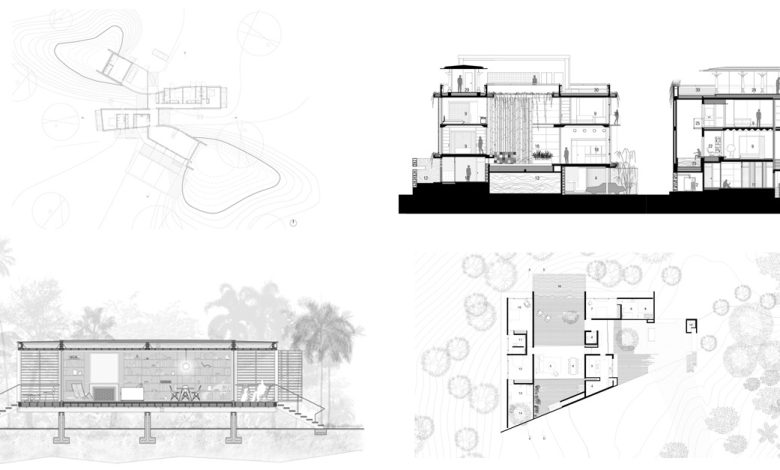
The world’s most remarkable homes often appear effortless when they are finally completed. From modern cliffside villas overlooking the ocean to sprawling countryside estates built around nature, these homes can seem like the result of pure creativity. Yet what most people never see is the extensive planning that takes place long before construction begins. In many cases, the design process lasts months or even years before the first stone is laid. Architects, engineers, designers, consultants, and homeowners work together to transform an idea into a detailed vision that balances beauty, functionality, sustainability, and long-term value.
The design stage is where extraordinary homes are truly born. It is during this phase that every important decision is made. Designers study the land, evaluate environmental conditions, analyze sunlight patterns, and consider how homeowners will move through each space. Technology has transformed this process significantly. Advanced software can now create detailed three-dimensional models that allow clients to virtually walk through their future homes before construction starts. This level of planning reduces costly mistakes, improves efficiency, and ensures the final result matches the original vision. While construction often receives the spotlight, experienced architects know that the quality of the planning stage usually determines the quality of the finished home.
Great Homes Begin with a Vision, Not a Blueprint
Every extraordinary home begins with a conversation rather than a construction plan. Homeowners typically arrive with ideas, aspirations, and goals that extend far beyond square footage or room counts. Some want a home designed around entertaining family and friends. Others prioritize privacy, wellness, or connection to nature. The architect’s role is to translate these personal ambitions into a practical design that can function beautifully for decades.
The most successful projects spend significant time defining the purpose of the home before discussing materials or finishes. Designers ask questions about daily routines, future family needs, lifestyle preferences, and even long-term financial goals. A family with young children may require flexible spaces that can evolve over time. A retired couple may prioritize accessibility and low maintenance. These conversations help create homes that feel deeply personal rather than simply impressive.
This focus on systems and long-term thinking is similar to approaches seen in other industries where successful outcomes depend on identifying future needs before problems appear. Max Marchione, Co-Founder, Superpower, believes proactive planning is often the difference between average and exceptional results.
“At Superpower, we use AI and advanced diagnostics to identify health risks before symptoms appear because prevention always creates better outcomes than reaction. I see a similar pattern in extraordinary home design. The best projects spend significant time understanding future needs before construction begins. When you build systems that anticipate challenges instead of responding to them later, you create results that perform better, last longer, and deliver far greater value over time.”
The same philosophy applies to architecture. Homes designed with future needs in mind often age more gracefully and require fewer costly renovations later. By focusing on long-term functionality from the beginning, designers create spaces that continue serving their owners for years to come.
The Hidden Role of Research in Luxury Home Design
Many people associate luxury homes with expensive materials, custom finishes, and impressive architecture. While those elements matter, research often plays an even bigger role. Before finalizing a design, architects and planners gather enormous amounts of information about the property, environment, regulations, and surrounding community.
Site analysis is one of the most important steps. Designers examine soil conditions, drainage patterns, wind exposure, and natural light throughout different seasons. In coastal regions, homes may be positioned to maximize views while minimizing weather-related risks. In mountain environments, designs often account for changing temperatures and snow loads. Every location presents unique opportunities and challenges that must be understood before construction begins.
Technology has made research more sophisticated than ever. Geographic information systems, drone surveys, and advanced modeling software provide detailed insights that were difficult to obtain just a decade ago. These tools allow architects to test ideas, compare options, and refine plans before any physical work begins.
Information gathering has become equally important in the digital world, where success often depends on identifying hidden opportunities before competitors do. Vlad Ivanov, Founder, Search GAP Method, sees strong parallels between architecture and strategic planning.
“One lesson I’ve learned after nearly two decades in digital marketing is that the biggest opportunities usually exist in places others haven’t examined closely enough. Through the Search GAP Method, we help people identify overlooked opportunities before competitors discover them. Great architects operate in a similar way. They study the environment, uncover hidden possibilities within a property, and design solutions that maximize potential. Exceptional results rarely come from guesswork. They come from research, preparation, and seeing what others miss.”
This level of investigation allows extraordinary homes to feel uniquely connected to their surroundings. Rather than forcing a design onto a property, architects shape the home around the opportunities the land naturally provides.
Turning Complex Ideas into Buildable Reality
One of the biggest challenges in luxury home design is balancing ambition with practicality. Homeowners often envision dramatic features such as floating staircases, glass walls, rooftop gardens, or integrated wellness spaces. While these ideas may be exciting, they must also be structurally sound, financially realistic, and operationally sustainable.
This is where collaboration becomes essential. Architects work closely with structural engineers, landscape designers, lighting specialists, sustainability consultants, and builders long before construction begins. Each expert contributes knowledge that helps transform creative concepts into achievable solutions.
Detailed planning also helps control costs. Many people assume extraordinary homes have unlimited budgets, but even high-end projects require financial discipline. Design teams constantly evaluate trade-offs between aesthetics, performance, and cost. Early collaboration allows potential issues to be identified before they become expensive problems during construction.
Digital modeling has become a critical tool during this stage. Clients can review highly detailed visualizations, test design options, and make adjustments before materials are ordered or foundations are poured. This process significantly reduces uncertainty and improves communication among all stakeholders involved in the project.
The same principle of careful infrastructure planning exists in technology and network development. Large systems only succeed when every component is evaluated before implementation begins. Jake Brander, President, Brander Group Inc., believes thoughtful planning is the foundation of every successful large-scale project.
“Over the years, I’ve worked on infrastructure projects that support organizations across dozens of countries, and one lesson remains constant. The success of any complex system is determined long before deployment begins. We’ve helped clients avoid major bottlenecks by identifying weaknesses early and designing solutions around future growth rather than current needs. Extraordinary homes follow the same principle. Careful planning, strong foundations, and long-term thinking create outcomes that continue delivering value for years after completion.”
His observation highlights a truth shared by architects and engineers alike. Strong design is not simply about appearance. It is about creating systems that function effectively under real-world conditions.
Designing for Lifestyle, Wellness, and Longevity

The definition of an extraordinary home has evolved significantly in recent years. While luxury once focused primarily on size and prestige, today’s homeowners increasingly prioritize wellness, comfort, sustainability, and quality of life. Designers are responding by creating homes that support physical and mental well-being while reducing environmental impact.
Natural light has become a major design priority because studies consistently show its positive impact on mood, productivity, and sleep quality. Many architects carefully position windows, skylights, and outdoor living spaces to maximize daylight exposure throughout the year. Indoor air quality, acoustic comfort, and access to nature are also receiving greater attention during the planning process.
Sustainability has become another defining characteristic of modern luxury homes. Energy-efficient systems, renewable energy sources, water conservation technologies, and environmentally responsible materials are increasingly integrated into projects from the earliest design stages. Rather than being added later, these features are often embedded within the overall design strategy.
Designers are also considering longevity more carefully than ever before. Flexible floor plans allow spaces to evolve as families grow and lifestyles change. Smart home technology can adapt to new innovations without requiring extensive renovations. These decisions help ensure that extraordinary homes remain functional and valuable for decades.
The most successful projects understand that luxury is not simply about visual impact. It is about creating an environment that enhances daily life while supporting future needs.
Conclusion
When people admire extraordinary homes, they often focus on the finished result. They notice the architecture, craftsmanship, views, and design details that make a property memorable. What they rarely see is the extensive planning process that made those achievements possible.
Long before construction begins, architects, designers, engineers, and homeowners invest countless hours into research, collaboration, problem-solving, and strategic thinking. They analyze the land, anticipate future needs, test ideas, and refine every detail. The most remarkable homes are not built by chance. They are carefully designed through a process that values preparation as much as creativity.
The experiences shared by Max Marchione, Vlad Ivanov, and Jake Brander reinforce a powerful lesson that extends beyond architecture. Whether building a home, a company, a technology platform, or a personal vision, extraordinary outcomes rarely begin with action alone. They begin with thoughtful planning, clear purpose, and the willingness to invest deeply in the foundation before the first stone is ever laid.