 The rise of Vibe Coding introduced a new way of building software.
Instead of manually writing every line of code, developers increasingly describe what they want to create, while intelligent systems handle much of the execution. The shift is from syntax-driven work to intent-driven creation.
This transformation in software is more than technical. It reflects a broader change in how professional work is organized.
Visual marketing is now facing a similar inflection point: creating high-quality visual content across multiple channels remains complex, manual, and resource-intensive. Just as Vibe Coding shifted software creation toward intention, a new model is emerging for visual marketing: Fotor Vibe Marketing.
From Code Intent to Creative Intent
Vibe Coding offers a simple idea: in software, developers are shifting from writing every line of code to defining what they want to achieve. Execution is handled by the system, while humans focus on intent.
Visual marketing is entering a similar transformation. Producing high-quality marketing visuals has long been a fragmented and resource-intensive process. Photography, design, editing, adaptation for multiple channels, and campaign-specific revisions all demand significant time and coordination. Individual assets are often treated as isolated tasks, making it difficult for brands to turn one creative direction into effective visual content at scale.
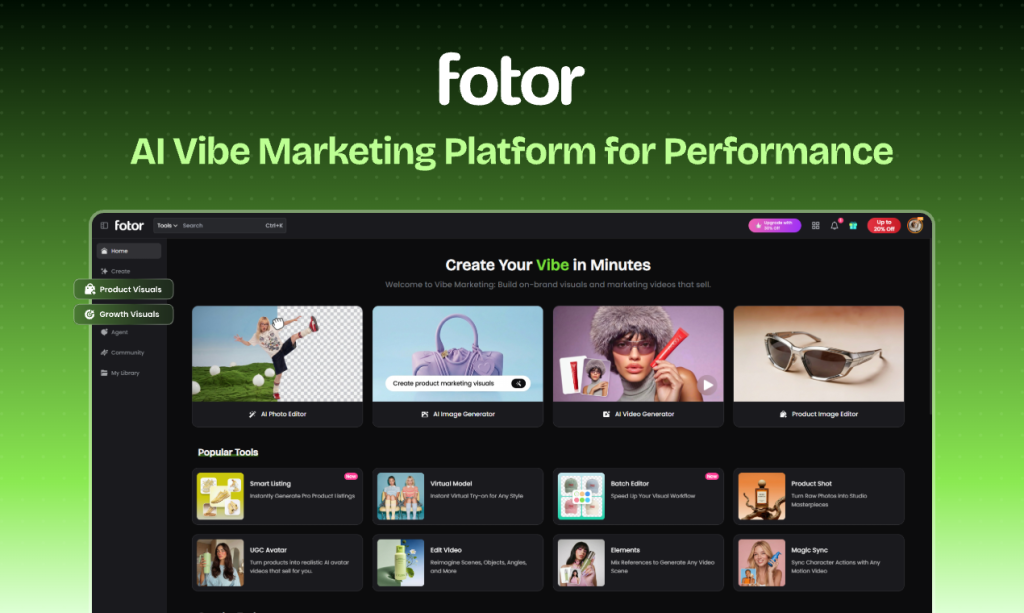
This is where Fotor Vibe Marketing comes in. In practice, marketers do not begin by producing one image, one ad, or one video at a time. They begin by defining the idea behind the campaign: the intended mood, visual style, brand personality, audience perception, or product story. Fotor then helps scale that idea into product imagery, advertising creatives, social media content, and short-form videos that are designed for real marketing use. Teams can use this vibe marketing tool to streamline the process, turning creative intent into high-quality visuals across channels efficiently.
Vibe Marketing shifts the focus from creating individual outputs to expressing a clear visual intent across every customer touchpoint. Marketers can concentrate on shaping the brand experience, while AI helps translate their creative direction into polished content that is ready for different channels.
In this way, Vibe Marketing represents more than a new tool. It is a new operating model for visual creation, enabling brands to move from manual production to intent-driven visual marketing without giving up creative control.
What Is Vibe Marketing?
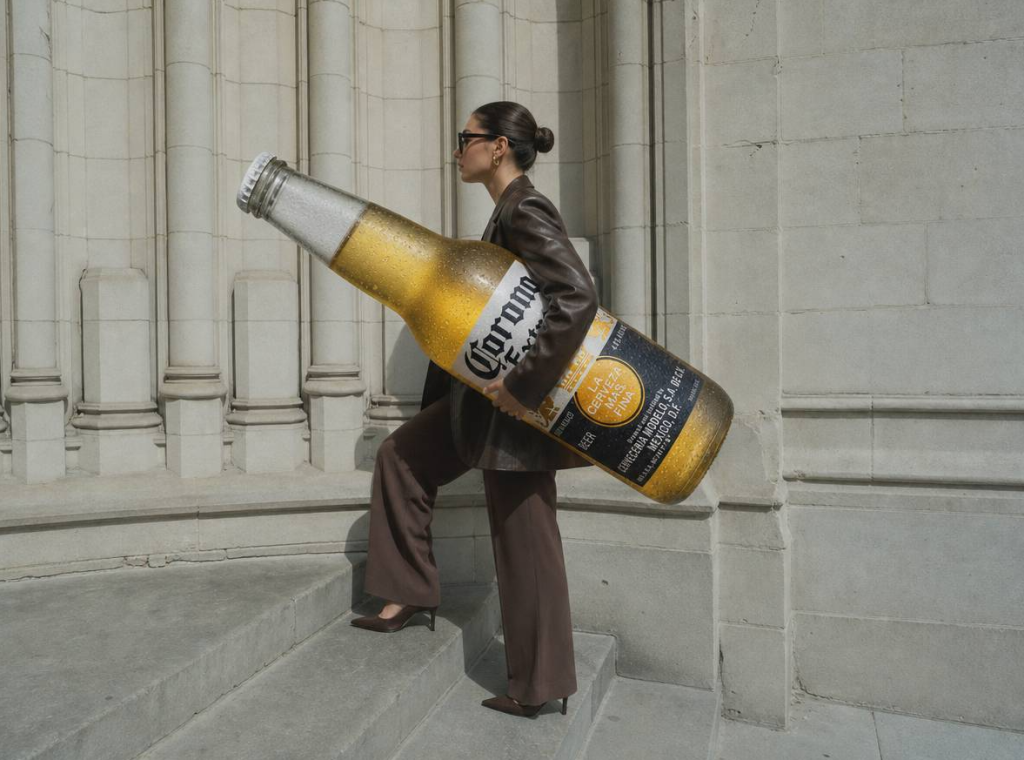
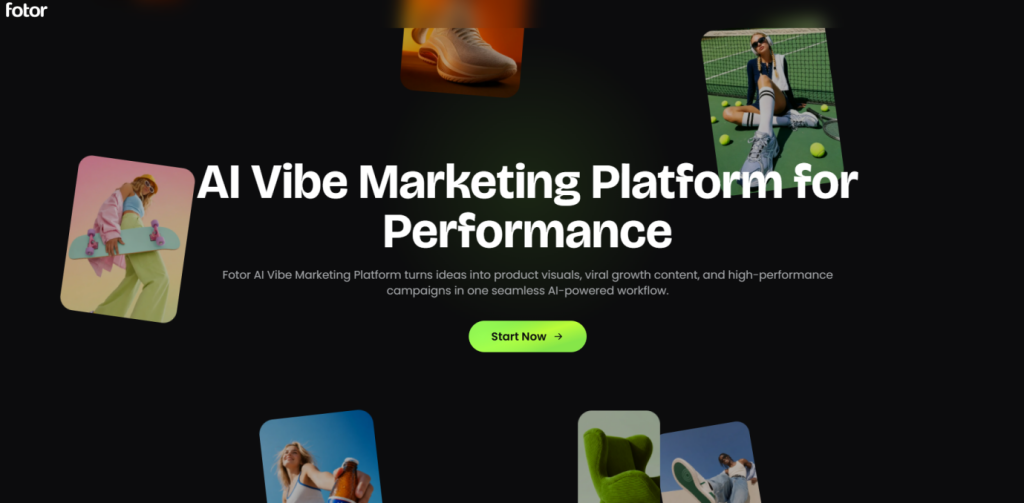
Fotor defines Vibe Marketing as a visual-driven approach where you bring the idea, and AI scales it into on-brand, studio-quality visual content that actually sells—across every channel, instantly.
That idea might include visual style, brand personality, emotional tone, audience perception, product positioning, or campaign objectives. Once the direction is established, Fotor helps translate it into multiple forms of marketing content across channels.
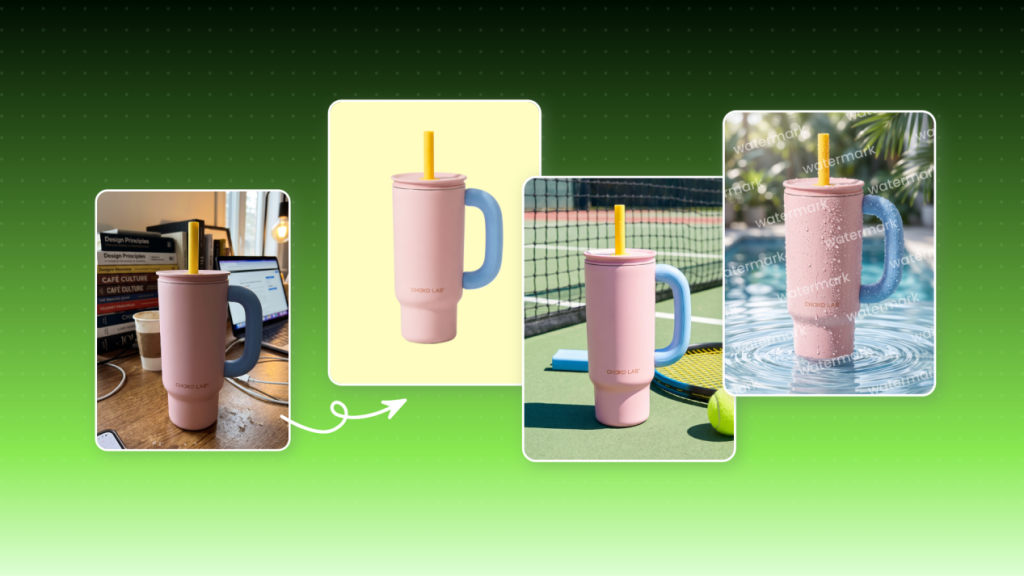
An e-commerce product image should make the product clear and desirable. A social media creative should capture attention quickly. A promotional video should communicate the same campaign energy in motion. An advertising visual should not only look good, but also help move the audience toward action.
Fotor Vibe Marketing is designed around this challenge. By allowing creators to define the aesthetic and commercial direction first, the platform helps transform that direction into product visuals, ad creatives, social content, and video materials.
In this model, the creative team remains responsible for the idea, taste, and strategic direction. AI becomes the system that helps scale that direction into market-ready visual content. The result is not simply faster content production, but a more practical way to connect visual creation with brand growth.
Why Visual Marketing Needs This Shift
The need for this evolution comes from how brands interact with consumers today.
A decade ago, marketing campaigns focused on just a few channels. Today, a single product launch may require visuals for e-commerce sites, social media platforms, paid ads, landing pages, influencer content, and short-form videos. Each channel has its own format, audience expectations, and content style.
At the same time, consumer attention is increasingly fragmented. Brands must deliver high-quality visuals quickly and across many digital platforms. This puts enormous pressure on creative teams.
Traditionally, scaling content meant scaling resources. More campaigns required more designers, more revisions, more coordination, and longer production cycles. For many organizations, that model is no longer sustainable.
This is where Fotor’s definition of Vibe Marketing becomes important. If the idea is the starting point, AI can help turn that idea into a complete set of commercial visuals. Teams spend less time repeating production tasks and more time shaping positioning, storytelling, and audience engagement.
In other words, the focus shifts from producing isolated assets to building a visual experience that can sell across channels.

Fotor Turns Aesthetic Intent Into Marketing Workflow
The broader significance of Fotor Vibe Marketing lies in how it rethinks the way visuals are created. Traditionally, creative workflows have been organized around outputs. Teams produce a product image, then an advertisement, then a social media graphic, and finally a promotional video. Each asset is treated as a separate task.
Fotor offers a different approach. Instead of starting with individual assets, the process begins with intent. A marketer defines the desired aesthetic, emotional tone, product story, or campaign direction. The platform then helps turn that vision into a connected set of marketing materials designed to work across channels.
This is why Vibe Marketing is not simply about creating visuals. It is about giving brands a way to scale an idea into on-brand, studio-quality content that actually supports business outcomes.
As professional workflows evolve, the most valuable systems will be those that translate human intent into scalable results, not just automate isolated tasks. For visual marketing, that future is already taking shape through Fotor AI Vibe Marketing Platform.
If Vibe Coding represented a new operating model for software, Fotor Vibe Marketing may define the next model for how brands create, scale, and maintain their visual presence in an increasingly digital world.
Final Thought: The Future of Vibe Marketing
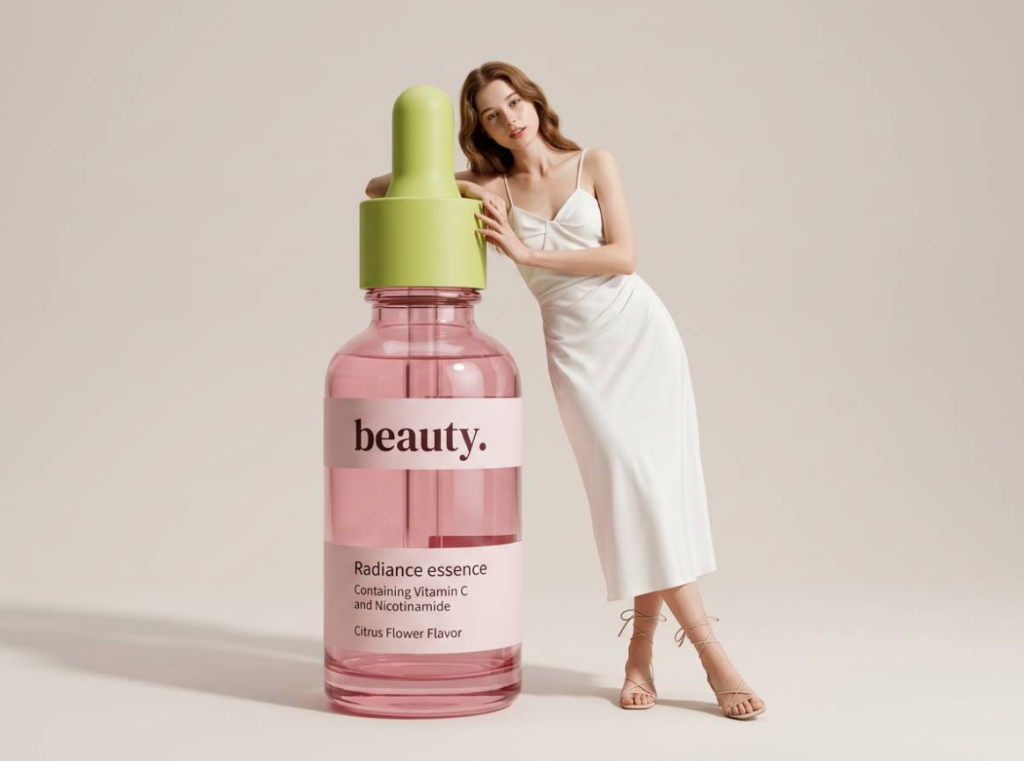
The next era of visual marketing will be defined by intent, not manual production. Fotor’s definition of Vibe Marketing makes that shift clear: the marketer brings the idea, and AI helps carry it into the visual formats modern brands need to attract, engage, and sell.
In this model, marketers are freed to focus on storytelling, brand identity, and audience engagement, while Fotor helps carry their creative direction into the visuals that modern marketing requires. Vibe Marketing transforms visual creation from a series of disconnected tasks into a more scalable, strategic, and business-focused workflow.