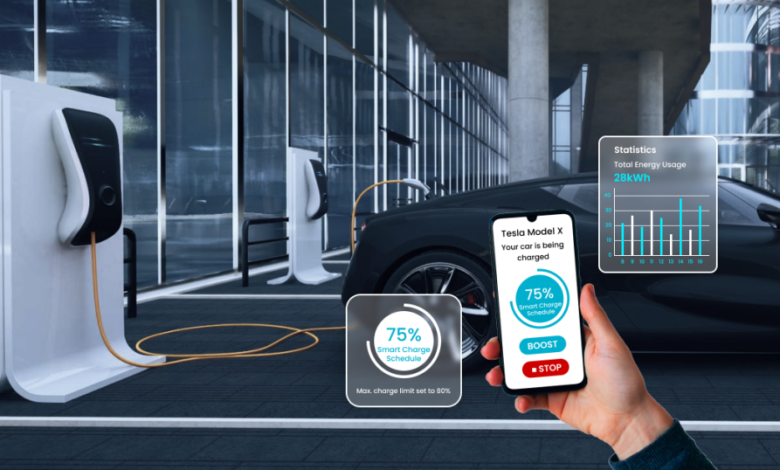
The transition to electric vehicles (EVs) is no longer a prediction for the future—it is happening right now. Governments are introducing ambitious sustainability targets, automakers are investing billions into electric transportation, and consumers are increasingly embracing EVs as practical alternatives to traditional gasoline-powered vehicles.
However, while vehicle technology continues to advance rapidly, the success of the EV revolution depends on one critical factor: charging infrastructure.
Without accessible, reliable, and scalable charging networks, widespread EV adoption becomes significantly more challenging. As the number of electric vehicles on the road grows each year, businesses, property owners, municipalities, and fleet operators must rethink how they approach charging infrastructure and long-term energy management.
The Growing Demand for EV Charging
Electric vehicle adoption has accelerated dramatically over the last decade. Consumers are becoming more environmentally conscious, battery technology continues to improve, and charging times are steadily decreasing.
This growth has created a new challenge for property owners and businesses. Drivers increasingly expect charging stations to be available wherever they live, work, shop, and travel.
For multifamily housing communities, EV charging has become a highly desirable amenity. Commercial properties view charging stations as a way to attract visitors and increase dwell time. Fleet operators rely on dependable charging access to keep vehicles on the road and maintain operational efficiency.
As demand increases, the need for dependable charging infrastructure becomes even more important. Industry experts continue to emphasize that charging availability must grow alongside EV adoption to support long-term market expansion.
Why Infrastructure Is More Important Than Hardware
Many organizations initially focus on selecting charging equipment. While hardware is certainly important, successful EV deployments require much more than installing chargers.
A complete charging ecosystem includes:
- Site assessment
- Electrical planning
- Installation
- Network management
- Payment processing
- Maintenance
- Software monitoring
- User support
Without these components working together, charging stations can quickly become underutilized or difficult to manage.
Property owners often underestimate the complexity involved in operating charging infrastructure. Managing software updates, monitoring charger uptime, resolving technical issues, and handling customer support can require significant time and resources.
For this reason, many organizations are shifting toward managed charging solutions that handle both infrastructure and operations under a single platform. Modern charging providers increasingly focus on delivering end-to-end services rather than simply selling hardware.
The Challenge of Scaling EV Charging
Installing a few charging stations may seem straightforward, but scaling a charging network introduces additional challenges.
Some common obstacles include:
Electrical Capacity Constraints
Many buildings were not originally designed to support large numbers of EV chargers. Upgrading electrical systems can become expensive and time-consuming.
Smart load management technologies help address this challenge by dynamically distributing available power among active charging stations. This allows more chargers to operate without requiring major electrical upgrades.
Operational Complexity
As charging networks expand, monitoring performance becomes increasingly difficult. Property owners need visibility into:
- Charger status
- Usage trends
- Revenue generation
- Maintenance needs
- Energy consumption
Centralized management platforms help simplify these responsibilities and improve operational efficiency.
User Experience
Drivers expect charging to be simple and reliable. They want to locate chargers, start sessions, make payments, and track charging progress with minimal friction.
Poor user experiences can discourage EV adoption and reduce utilization rates. Successful charging networks prioritize both technical reliability and user-friendly software experiences.
The Rise of Managed Charging Services
As the market matures, many organizations are moving away from the traditional ownership model and adopting charging-as-a-service solutions.
This approach offers several advantages:
- Reduced upfront investment
- Professional installation
- Ongoing maintenance
- Software management
- Technical support
- Predictable operational costs
Rather than treating charging stations as standalone equipment, managed services position charging infrastructure as an ongoing operational solution.
This model is particularly attractive for apartment communities, commercial properties, parking operators, and workplace environments where management teams may not have expertise in EV charging operations.
The trend reflects a broader shift toward service-based infrastructure models that prioritize performance, uptime, and long-term scalability.
Why Businesses Are Investing in Charging Infrastructure
For many organizations, EV charging is no longer simply an environmental initiative. It has become a strategic business investment.
Tenant Retention
Residents increasingly consider EV charging availability when choosing where to live. Multifamily properties that offer convenient charging options often gain a competitive advantage.
Customer Attraction
Retail locations, shopping centers, and hospitality venues can attract EV drivers by providing convenient charging access. Drivers often spend additional time and money at locations where they can charge their vehicles.
Revenue Generation
Charging stations can create recurring revenue opportunities through charging fees and usage-based pricing models.
Advanced management platforms allow property owners to track revenue, monitor performance, and optimize pricing strategies through centralized dashboards.
Sustainability Goals
Many businesses have established environmental, social, and governance (ESG) objectives. Supporting EV adoption aligns with these initiatives and demonstrates a commitment to sustainable operations.
Choosing the Right EV Charging Partner
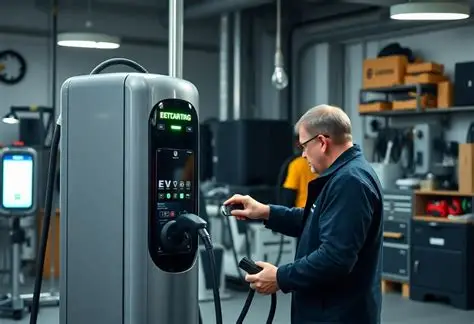
As the industry grows, organizations face a growing number of choices when evaluating charging solutions.
The best providers typically offer:
- Installation expertise
- Scalable infrastructure
- Smart energy management
- Reliable maintenance
- User-friendly software
- Transparent reporting
- Long-term operational support
When evaluating potential partners, businesses should consider not only current needs but also future growth.
The ability to expand charging capacity without major redesigns can significantly reduce long-term costs and operational disruptions. Solutions designed for scalability often provide better value over the lifespan of the infrastructure.
Companies searching for dependable ev charging providers can benefit from working with organizations that manage the entire charging lifecycle—from planning and installation to software management and ongoing support. One example is Ampaway, which delivers turnkey EV charging solutions for multifamily properties, commercial sites, parking facilities, and fleet operations while handling installation, maintenance, monitoring, and software management under a unified platform.
The Role of Software in Modern Charging Networks
Software has become one of the most important components of EV charging infrastructure.
Modern charging platforms enable:
- Remote monitoring
- Dynamic pricing
- Revenue tracking
- Load balancing
- User management
- Mobile app integration
- Energy reporting
As charging networks become more sophisticated, software capabilities increasingly determine overall system performance.
Industry discussions frequently highlight the importance of interoperability, management flexibility, and reliable software integration as key factors for successful charging deployments.
Organizations that invest in advanced management platforms gain greater visibility into operations while reducing administrative overhead.
Fleet Charging and Operational Efficiency
Fleet electrification represents one of the largest growth opportunities within the EV ecosystem.
Delivery companies, municipalities, public transportation agencies, and corporate fleets are transitioning to electric vehicles to reduce operating costs and emissions.
Unlike public charging environments, fleet operations require predictable charging schedules and high system reliability.
Charging failures can directly impact daily operations and service delivery.
As a result, fleet managers increasingly prioritize:
- Centralized monitoring
- Load management
- Predictive maintenance
- Real-time reporting
- Reliable uptime
Charging infrastructure designed specifically for fleet operations helps organizations maintain vehicle availability while simplifying energy management.
Looking Ahead
The future of transportation is undeniably electric. Yet the success of this transition depends on more than vehicle sales. Reliable charging infrastructure must continue expanding to meet growing demand.
Businesses, property owners, municipalities, and fleet operators that invest in scalable charging solutions today will be better positioned for the future.
The most successful deployments will focus not only on hardware but also on software, operational support, and long-term infrastructure planning.
As EV adoption continues to accelerate, dependable charging networks will become as essential as parking spaces, internet access, and other core property amenities. Organizations that embrace this reality now will gain significant advantages in the years ahead while contributing to a cleaner and more sustainable transportation ecosystem.