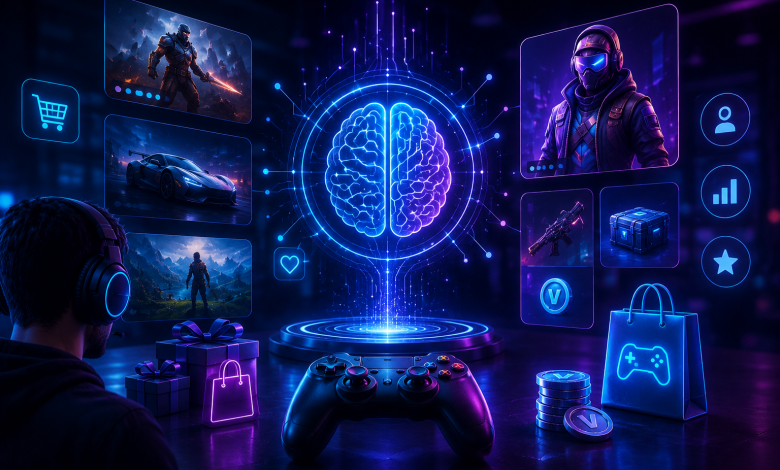
If you buy games, gaming gear, or digital items online, you’ve probably noticed that shopping feels a lot different than it did a few years ago. Stores are getting better at showing products that match your interests instead of displaying the same things to everyone.
For gamers, this can save time and make it easier to find products that fit the games they play and the equipment they already use. For gaming businesses, it creates a better shopping experience and helps them connect with customers in a more relevant way.
In this article, we’ll share how AI-powered personalization is changing the future of gaming e-commerce.
AI Delivers More Relevant Product Recommendations
One of the biggest changes in gaming e-commerce is how products are recommended to shoppers. In the past, online stores often showed the same popular products to everyone. It did not matter whether you played racing games, first-person shooters, sports games, or mobile games. Most people saw similar recommendations.
Today, things work differently. Gaming stores can learn from the products you view, the games you play, the items you buy, and the categories you spend the most time exploring. This helps them suggest products that are more relevant to your interests.
Jason Dusenberry, Founder of Killer Mystery Games, LLC, mentions, “Players enjoy recommendations more when they feel connected to the kind of experience they already like. Someone who enjoys mystery games may respond better to story-driven add-ons, clue packs, or puzzle-style content than random game items. Good recommendations should feel like they understand the player’s taste, not just push whatever is popular.”
For example, if you regularly play racing games, you may start seeing recommendations for racing wheels, pedals, driving simulators, or racing-related accessories. Someone who spends most of their time playing competitive shooters may see gaming mice, mechanical keyboards, high-refresh-rate monitors, or communication headsets instead.
This makes shopping easier because you spend less time sorting through products that do not match your interests. Instead of searching through hundreds of listings, you are presented with products that are more likely to be useful to you.
Ryo Chiba, CEO & Co-Founder at Trails, says, “Personalization works best when it feels helpful, not intrusive. The goal is to guide people toward products or content that match what they already care about. When recommendations save time and feel relevant, shoppers are more likely to explore, trust the platform, and come back again.”
It also helps players discover products they may not have known existed. Sometimes gamers are not actively searching for a specific accessory or digital item. However, when a relevant recommendation appears, it can introduce them to something that improves their gaming experience.
AI Personalization Is Reshaping Gaming Hardware Logistics
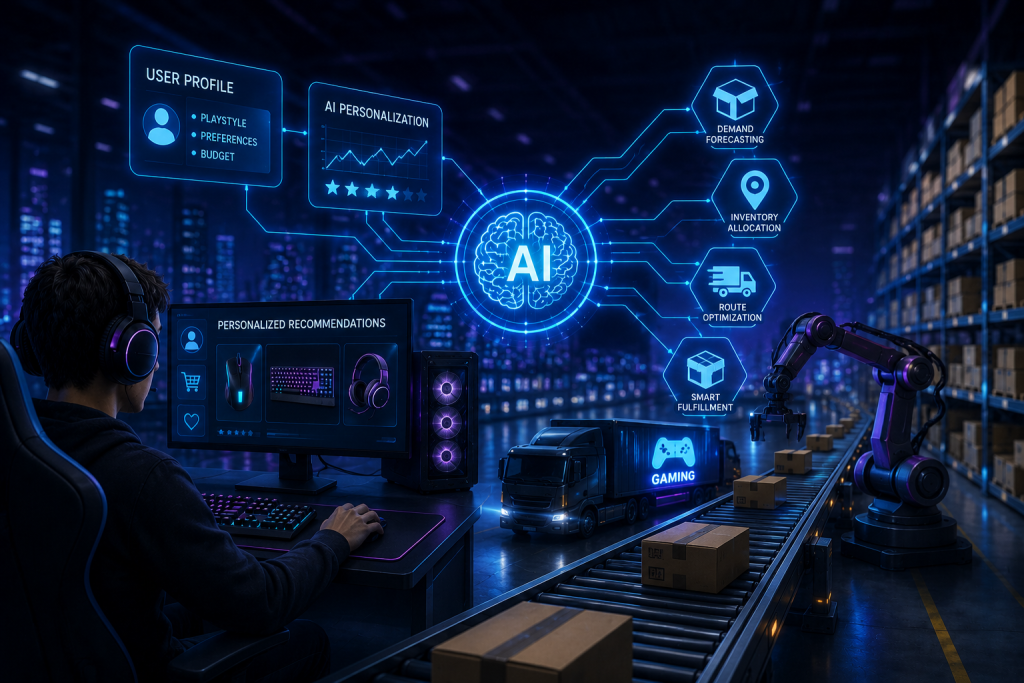
AI-powered personalization is not only changing how gamers discover products online, but also how gaming companies manage operations behind the scenes. As gaming setups become more customized, e-commerce brands are handling increasingly complex fulfillment needs involving region-specific accessories, personalized bundles, remote work equipment, and high-value electronics.
This has made logistics and device coordination more important than many people realize. Gaming companies now need systems that can predict demand patterns, manage inventory across regions, and ensure products reach customers quickly without operational bottlenecks. AI is helping businesses automate many of these decisions while improving the overall customer experience.
Michiel Meyer, CEO & Co-Founder at Workwize, explains that personalization also creates operational pressure that companies must solve intelligently.
“Personalization does not stop at the checkout page. Once customers expect customized experiences, businesses also need smarter operational systems behind the scenes to support that experience consistently at scale. In industries connected to gaming, remote work, and digital commerce, logistics has become part of the customer experience itself. Even something like shipping laptops internationally or coordinating gaming hardware across distributed teams now requires much more intelligent automation, visibility, and workflow coordination than it did a few years ago. Companies that can personalize both the customer journey and the operational side of fulfillment will have a major competitive advantage moving forward.”
As gaming e-commerce becomes more experience-driven, AI will likely continue shaping not only recommendations and storefronts, but also the infrastructure that supports fast, personalized global delivery.
Helps Gaming Stores Understand Player Preferences
Every gamer is different. Some people spend hours playing competitive multiplayer games, while others enjoy story-driven adventures, sports games, simulation titles, or mobile gaming. Because of this, showing the same products and promotions to everyone rarely produces the best results.
AI helps gaming stores understand these differences by looking at customer behavior. It can identify patterns in browsing activity, purchase history, wish lists, product views, and even the types of games a player is interested in.
Tom Rockwell, CEO of Concrete Tools Direct, shares, “When customers shop for tools, their needs depend on the job they are trying to finish. A contractor buying equipment for concrete cutting does not need the same recommendation as someone looking for basic repair tools. Gaming stores can use the same practical thinking. The more clearly a store understands what the buyer is trying to do, the easier it becomes to show products that actually help.”
This information allows gaming stores to build a better understanding of what different customers actually want. Instead of making assumptions, they can use real data to learn which products are most relevant to each shopper.
For example, a player who frequently buys console accessories may have different interests than someone who spends money on PC hardware upgrades. Likewise, someone who purchases digital game content regularly may respond differently than someone looking for physical gaming products.
According to Bill Sanders, from TruePeopleSearch, “Good recommendations depend on accurate signals. When information is organized properly, it becomes much easier to understand what someone is likely looking for. In gaming e-commerce, that means using real behavior to guide shoppers toward products that match their habits instead of showing them random items.”
When stores understand these preferences, they can organize products more effectively and create shopping experiences that feel more relevant. Customers are more likely to find what they need because the store is presenting products that align with their interests.
Personalized Offers Increase Purchase Interest
Most gamers have received generic promotional emails at some point. The problem is that many of these offers have little to do with what the customer actually wants.
A player who mainly buys PC gaming accessories may not care about discounts on mobile gaming products. Likewise, someone who plays sports games may have no interest in promotions related to fantasy role-playing titles.
Ashley Durmo, CEO of Chalet, mentions, “People respond better when an offer feels like it was made for what they actually need. If someone is looking for a quiet mountain stay, sending them a beach deal makes no sense. Gaming stores face the same issue. A good offer should match the customer’s interest, timing, and reason for buying.”
That’s why personalization becomes valuable. AI can help gaming businesses create offers that are more relevant to individual customers. Instead of sending the same promotion to everyone, stores can tailor discounts, bundles, and recommendations based on customer interests and buying behavior.
Personalized offers can also improve the overall shopping experience. Instead of being flooded with products they do not need, shoppers receive suggestions that make sense based on their interests.
Ákos Doleschall, Managing Director at Hustler Marketing, says, “Most discounts fail because they land at the wrong time or say the wrong thing. With UGC Ads for Ecommerce, the hook works when it feels close to how the customer already thinks about the product. It should feel useful, not like another blast sent to everyone.”
AI Improves Product Discovery
One of the biggest challenges in gaming e-commerce is helping customers find products they genuinely care about. Large gaming stores may have thousands of products, accessories, subscriptions, digital items, and gaming-related services available at any given time.
Without some level of personalization, finding the right product can become overwhelming. AI helps solve this problem by making product discovery easier. Instead of showing products randomly, stores can organize recommendations based on customer interests and behavior.
Daniyal Shaikh, AI Designer & Developer at Virtual Ring Try On, says, “People don’t always know exactly what they want when they start browsing. Sometimes they need to see the right product in context before the decision becomes clear. If the experience helps them picture how something will look, feel, or fit into their setup, discovery becomes easier.”
For example, if you spend time looking at gaming monitors, you may start seeing recommendations for monitor arms, display accessories, or graphics cards. If you frequently browse streaming equipment, related products may become more visible throughout the store.
This approach helps shoppers uncover products that fit their interests without having to search for everything manually. It also makes the store easier to use because the customer is not forced to scroll through endless products that do not match what they came for.
Jonathan Matha, CEO of Modern Chandelier, said, “Too many options can make people leave without buying. A good store should help customers narrow the choice quietly. When the right products appear at the right moment, shopping feels less tiring and much more useful.”
Product discovery is important because many purchases start with curiosity rather than a specific plan. A gamer may not visit a store looking for a new accessory. However, after seeing a useful recommendation, they may realize that the product solves a problem they have been dealing with.
AI-Powered Chatbots Improve Customer Support
Customer support plays a major role in online shopping. Before making a purchase, many gamers have questions about compatibility, features, warranties, shipping, performance, or product recommendations.
In the past, customers often had to wait for support teams to respond. Depending on the company, that process could take hours or even days.
AI-powered chatbots are helping change that experience. Modern chatbots can answer common questions immediately. They can help customers compare products, check order information, explain product features, and provide guidance based on specific needs.
Alfred Christ, Digital Marketing Manager at ROKR, adds, “Most shoppers are not looking for a long support process. They just want a clear answer at the moment they are deciding. If someone is comparing two products, a quick response about size, features, or fit can be the difference between leaving the page and feeling ready to buy.”
For example, a gamer building a new setup may ask whether a certain keyboard is compatible with their device. Another shopper may want recommendations for a headset within a specific budget. Instead of searching through dozens of pages, they can receive answers quickly through a chatbot.
This saves time and reduces frustration. Customers get the information they need without waiting for a support ticket to be answered.
Experts from Lashkaraa.com —Salwar Kameez specialists, mentions, “Customers often need small details before they feel comfortable ordering online. For clothing, that might be fabric, fit, stitching, or delivery timing. A helpful chat experience answers those questions early, so the shopper does not feel unsure or abandoned.”
Conclusion
Gaming e-commerce is becoming more personal, and AI is playing a big role in that change. Instead of showing the same products, offers, and promotions to everyone, gaming stores can now create experiences that better match what individual players are interested in.
For gamers, this can make shopping easier. Finding the right game, accessory, or digital product takes less time when recommendations and offers are more relevant. For businesses, it creates better opportunities to connect with customers and improve the overall shopping experience.
As AI continues to improve, personalization will likely become an even bigger part of gaming e-commerce. The companies that focus on helping customers find what they actually need will be the ones that stand out in the years ahead.