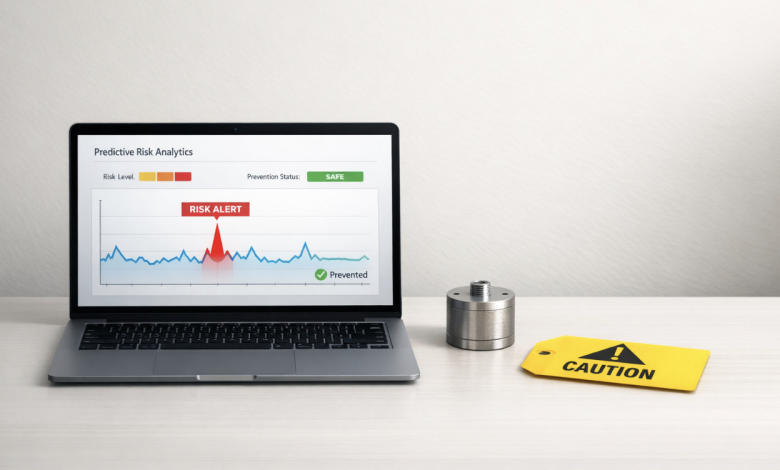
Artificial intelligence is redefining how accidents are addressed, increasingly moving legal and insurance focus from investigation after the event to risk prediction and harm prevention. As predictive maintenance data and advanced algorithms become critical evidence, accountability in high-stakes litigation is transforming. Questions about algorithm audit, documentation, and gross negligence now lie at the heart of modern accident claims.
Legal and insurance landscapes are experiencing a shift as AI-driven predictive analytics transform the response to accident and claims. A New Jersey personal injury lawyer may now analyze not just the details of an accident’s aftermath but whether AI or predictive maintenance data flagged preventable risks. This shift places greater scrutiny on organizations’ efforts to anticipate hazards, as legal liability is redefined by the ability to prevent incidents before they occur rather than merely reconstructing events after the fact.
From accident reconstruction to predictive analytics
Traditionally, legal proceedings after an accident relied heavily on forensic investigation and accident reconstruction, assessing physical evidence to determine fault and damages. With the advent of AI, emphasis is moving toward a proactive model that leverages data streams and predictive maintenance alerts to forecast equipment malfunctions, environmental hazards, or other risks. This transition means that litigation now often examines whether adequate steps were taken in response to algorithmic risk warnings, not just how parties responded once injury occurred.
The evolution from accident reconstruction to algorithm audit shifts liability discussions. Courts and litigants increasingly consider whether organizations reviewed AI-generated risk assessments and acted on them in a timely manner. If a predictive system warns of an impending equipment failure and the warning is ignored, the resulting harm may be scrutinized for potential gross negligence, especially when an injury lawyer frames how detailed predictive maintenance data is admissible in court.
The role of predictive maintenance data and algorithm audit in litigation
Predictive maintenance data has become a cornerstone in modern accident and injury claims, offering a timeline of alerts, warnings, and potential flagging of hazards. This evidence can clarify what was knowable—and when—reframing legal arguments around prevention and response. In New Jersey, such records frequently form the crux of claims, as litigants argue over whether organizations acted on algorithmic recommendations or allowed preventable risk to remain unaddressed.
The increased use of algorithm audits also challenges long-standing practices. Instead of merely reviewing physical events, legal proceedings may interrogate how AI systems weighed inputs, flagged risks, and documented actions or inaction. The lack of transparency in algorithmic reasoning intensifies the importance of clear audit trails, which can reveal whether ethical standards and established policies were followed or if bias and oversight led to grossly negligent outcomes that an injury lawyer may later confront.
Shifting standards of legal liability: Prevention over response
This new paradigm raises urgent questions about gross negligence and responsibility in the era of AI. When a predictive system identifies a risk but the necessary preventive action is not taken, the legal focus increasingly turns to whether organizational behavior reflects a disregard for known dangers. As more accident cases examine the record of predictive analytics, a failure to act on AI prompts can carry greater liability than a delayed post-incident response.
The legal implications for personal injury and insurance claims, especially in jurisdictions like New Jersey, are profound. Effective risk documentation, transparent algorithm audits, and responsiveness to predictive maintenance data are rapidly becoming best practices. The emphasis on prevention—rather than aftermath management—is not only transforming litigation strategies but also setting new expectations for accountability as AI shapes the future of accident liability.