Technology is changing very fast, and many people struggle to understand which trends actually matter and which ones are just hype. This confusion makes it hard for businesses, students, and beginners to focus on the right skills and opportunities.
The solution is to identify the most important and practical technology trends in 2026 that are already shaping industries and daily life. In this guide, you will learn the latest, emerging, and future technology trends in a simple and clear way so you can stay ahead and make smarter decisions.
What Are Technology Trends?
Technology trends are new tools, systems, or ways of using technology that are becoming popular and useful over time. These trends help businesses grow, improve daily life, and create new job opportunities.
For example, just like smartphones changed how we communicate, new technologies like Artificial Intelligence (AI) and automation are now changing how we work and live.
Why Technology Trends in 2026 Matter
Understanding tech trends in 2026 is important because:
- Businesses use them to grow faster
- Students can learn high-demand skills
- Freelancers can earn online
- Daily life becomes easier and smarter
If you ignore these trends, you may fall behind in skills and opportunities.
1. Artificial Intelligence (AI) Everywhere

Artificial Intelligence is no longer just a concept—it is now used in almost every field.
Key Developments:
- AI chatbots helping customers
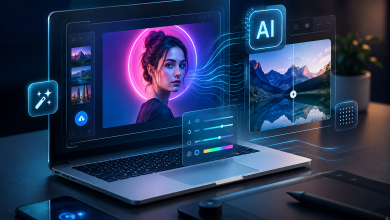
- AI tools for content writing and design
- Smart assistants in phones and homes
Real Impact:
AI is saving time and reducing manual work. For example, businesses use AI to answer customer questions instantly.
2. Generative AI and Content Creation
Generative AI is one of the biggest technology innovations in 2026.
What It Does:
- Writes blog posts
- Creates images and videos
- Generates marketing content
Why It Matters:
Content creators and digital marketers can now work faster and smarter using AI tools—especially when building websites and user experiences.
3. Internet of Things (IoT) Expansion
IoT means connecting everyday devices to the internet.
Examples:
- Smart homes (lights, fans, security systems)
- Smart farming tools
- Health monitoring devices
Benefits:
It makes life more convenient and efficient by automating daily tasks.
4. 5G and Faster Connectivity
5G internet is becoming more common in 2026.
Benefits:
- Faster internet speed
- Better video streaming
- Improved online gaming and remote work
Impact:
Businesses and individuals can work online smoothly without delays.
5. Cybersecurity Advancements
As technology grows, security risks also increase.
Key Trends:
- Stronger data protection systems
- AI-based threat detection
- Better privacy tools
Why Important:
Protecting personal and business data is now a top priority.
6. Blockchain Beyond Cryptocurrency
Blockchain is not just for digital currency anymore.
Uses:
- Secure transactions
- Supply chain tracking
- Digital contracts
Impact:
It builds trust by making data secure and transparent.
7. Cloud Computing Growth
Cloud computing allows storing and accessing data online instead of physical devices.
Benefits:
- Access files from anywhere
- Reduce hardware costs
- Easy data backup
Real Example:
Businesses now run their systems online instead of using physical servers.
8. Automation and Robotics
Automation is reducing manual work in many industries.
Where It’s Used:
- Factories
- Warehouses
- Customer service
Benefit:
Faster work, fewer errors, and lower costs.
9. Augmented Reality (AR) and Virtual Reality (VR)
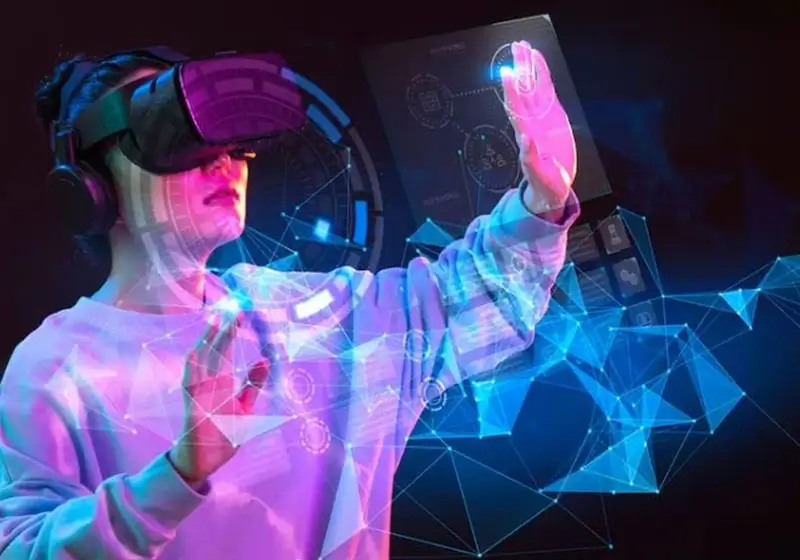
AR and VR are creating immersive digital experiences.
Applications:
- Gaming
- Online shopping (try before buying)
- Education and training
Impact:
Users can interact with digital environments in a more realistic way—making design and user experience more important than ever.
10. Green Technology and Sustainability
Technology is now focusing on saving the environment.
Trends:
- Renewable energy solutions
- Electric vehicles
- Energy-efficient systems
Importance:
Reducing pollution and protecting natural resources.
11. Edge Computing
Edge computing processes data closer to where it is generated.
Benefits:
- Faster data processing
- Reduced delay
- Better performance for real-time apps
Example:
Used in smart cities and autonomous vehicles.
12. Quantum Computing (Early Stage)
Quantum computing is still developing but very powerful.
Potential:
- Solve complex problems quickly
- Improve scientific research
- Enhance encryption
13. Remote Work Technology
Work-from-home tools are still growing.
Tools Include:
- Video conferencing platforms
- Project management software
- Online collaboration tools
Impact:
People can work from anywhere in the world.
14. Personalized Digital Experiences
Technology is becoming more user-focused.
Examples:
- Personalized ads
- Custom recommendations
- Smart shopping suggestions
Benefit:
Users get what they need faster and easier.
15. Rise of Low-Code and No-Code Platforms
These platforms allow people to create apps without coding.
Benefits:
- Easy for beginners
- Saves time
- Reduces development cost
Opportunity:
Great for freelancers and beginners to build projects quickly.
How Modern Technology Impacts Website Design Choices
With all these innovations, one area that has rapidly evolved is web design and user experience. Faster internet (5G), AI-powered personalization, and immersive technologies like AR/VR have raised user expectations.
This means businesses must not only adopt new technologies but also ensure their websites visually communicate trust, speed, and professionalism—something a professional Seattle web design company can help achieve.
How to Choose the Perfect Color Scheme for Your Website
You have under 50 milliseconds. That’s how long it takes for a visitor to decide whether your website is worth their time.
Many users judge your website instantly based on design—and color plays a major role. The right palette can build trust, guide user actions, and improve conversions. The wrong one can drive users away.
For businesses adopting modern tech trends, aligning design with functionality is critical—this is why many brands consult a Seattle web design company to ensure both aesthetics and performance work together.
Selecting The Perfect Color Scheme for Your Brand
Step 1: Decide Why You Are Making The Choice
Are you building something long-term or chasing a trend?
Trendy palettes may convert quickly but fade fast. Timeless colors build lasting brand recognition. Many businesses redesign frequently because they skip this step.
Step 2: Name the Emotion Before Choosing the Color
Define 2–3 real brand traits like:
- Bold
- Reliable
- Approachable
Your primary color should reflect your core promise, while others support it.
Step 3: Choose Your Neutral Tones
Neutral colors create balance and improve readability.
Also consider dark mode, as a large percentage of users now browse in this setting. Ignoring this can harm user experience.
Step 4: Claim Your Accent Color
Use the 60/30/10 rule:
- 60% neutral
- 30% secondary
- 10% accent
Your accent color should guide key actions like buttons and links.
Step 5: Build Your Secondary Palette Around Contrast
Avoid overly similar colors. Contrast creates visual hierarchy and improves usability.
Step 6: Document Everything
Record:
- Hex codes
- RGB values
- CMYK for print
Without documentation, your brand will become inconsistent over time.
Step 7: Enforce Your Color Choice
Consistency builds trust and recognition. Share your style guide across teams and partners.
Create High-Converting Visual Identities
As technology trends reshape digital experiences, design becomes just as important as functionality. Businesses that combine modern tech with strong visual identity consistently outperform competitors.
That’s why working with an experienced Seattle web design company can help ensure your website not only looks great but also converts visitors into customers.
Future Technology Trends Beyond 2026
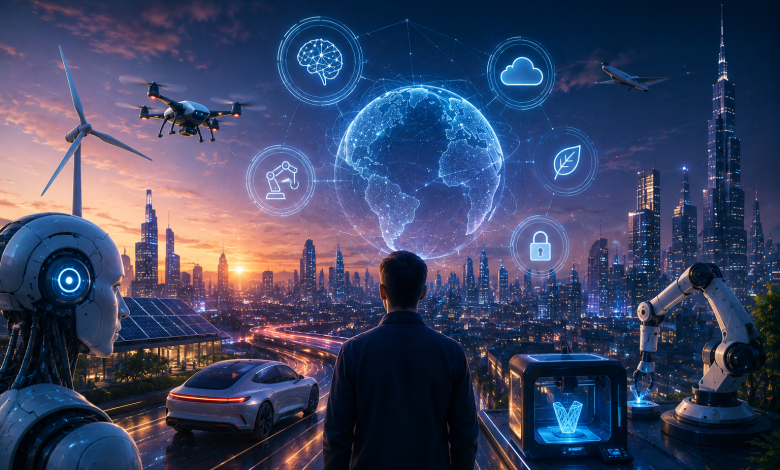
Looking ahead, we can expect:
- More advanced AI systems
- Smart cities with automation
- Human-like robots
- Better healthcare technology
How You Can Benefit from These Trends
You can:
- Learn SEO and content writing using AI tools
- Start freelancing
- Build a blog or website
- Offer digital services
Conclusion
Technology trends in 2026 are shaping the future in powerful ways. From Artificial Intelligence to automation and cloud computing, these innovations are changing how we live, work, and earn.
At the same time, design and user experience play a key role. Working with a Seattle web design company and experts like Blacksmith Agency can help businesses combine modern technology with strong visual identity for better results.
By learning and adapting step by step, you can build a strong future and create new opportunities in the digital world.