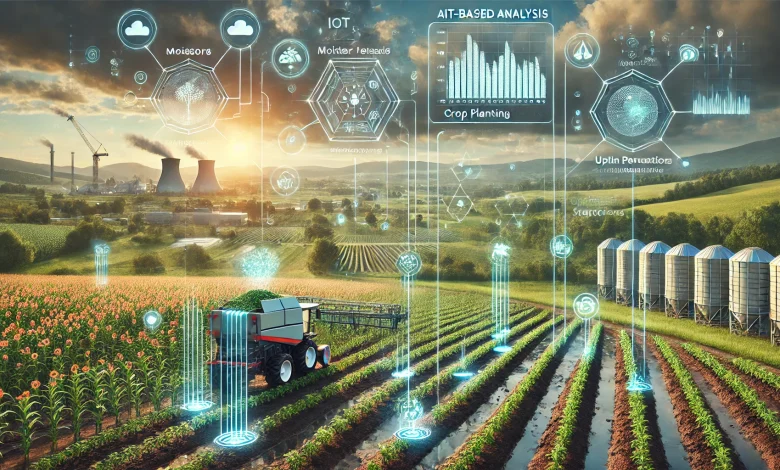
People love to talk about “smart farms” like they run on pure data and sunshine. But here’s the truth: most farm automation still runs on fuel. Even the best AI system can’t plant, spray, haul, or harvest if machines can’t move.
If you’re using (or planning to use) automation on a farm, fuel supply is not a boring side detail. It’s one of the main things that decides whether AI saves time or creates downtime.
Automation Still Means Machines, and Machines Need Energy
AI in agriculture often shows up in physical tools:
- Auto-steer tractors that follow perfect rows
- Sprayers that use cameras to hit weeds and skip crops
- Harvesters that track yield maps as they go
- Drones that scout fields (some battery-powered, many gas-powered)
- Generators that keep sensors and pumps running in remote areas
A lot of these systems depend on diesel, gasoline, propane, or natural gas. Even electric equipment usually depends on a charging plan and that plan often starts with fuel somewhere up the line (like a generator or a diesel-powered service vehicle).
So yes, software matters. But energy is what turns the plan into real work.
AI Can Cut Waste, But It Can’t Fix an Empty Tank
AI tools can lower fuel use in a few real ways:
- Smarter routes: Machines drive fewer miles across a field.
- Fewer passes: Spot spraying reduces repeat trips.
- Better timing: Predictive tools help avoid muddy fields and wasted runs.
But all those gains still depend on a steady supply of fuel. If delivery is late or storage runs low, the farm loses time fast especially during planting and harvest windows.
AI can tell you the best day to harvest. Fuel decides if you can actually do it.
Why Fuel Supply Gets Tricky on Farms
Fuel problems don’t always look dramatic. They often show up as small headaches that add up:
- A supplier runs short during peak season
- Bad weather delays a delivery truck
- A storage tank gets water contamination
- Prices jump and force last-minute changes
- A farm expands and outgrows its old fueling setup
And modern automation can increase the pressure. A farm might run more machines at once, work longer hours, or cover more acres per day. That’s great for productivity until fuel planning stays stuck in “old habits.”
For a deeper look at how reliable fuel access supports agriculture’s shift toward automation, see Fuel Logic’s guide on the future of diesel fuel in agriculture.
The Hidden Fuel Cost of “Always-On” Farm Tech
Even if your big machines are parked, AI-based farming still uses energy in the background.
Think about:
- Internet gear and farm offices
- Sensors, cameras, and weather stations
- Cold storage monitors
- Automated gates, feeders, and watering systems
- Backup power for critical systems
In many rural areas, power outages happen. When they do, farms lean on generators again, fuel.
So the fuel conversation isn’t just about tractors. It’s also about keeping the tech stack alive when the grid is shaky.
Storage, Quality, and Safety Matter More Than People Think
 Having fuel “on site” sounds simple. But fuel storage is its own system that needs attention.
A few practical issues that hit farms:
- Fuel quality: Water or microbial growth in diesel can clog filters and stall equipment.
- Cold weather: Fuel can gel or thicken, especially if blends aren’t right.
- Tank placement: If the tank is hard to reach, refueling wastes time and causes traffic jams during busy days.
- Spills and leaks: These are expensive and can trigger reporting requirements.
If automation is your goal, fuel handling has to be part of the plan not a last-minute chore.
How AI Can Help Manage Fuel (If You Feed It Good Data)
Here’s the good news: AI can also make fuel supply easier to manage.
Some farms use telematics and tracking to:
- Monitor fuel levels in tanks and machines
- Spot theft or unusual usage
- Forecast fuel needs based on planned fieldwork
- Schedule deliveries before tanks get low
- Compare fuel use between operators, fields, or machine settings
This kind of insight helps avoid panic fills and surprise downtime. But it works best when the farm keeps clean records and uses sensors that are actually maintained.
A Simple Fuel Game Plan for Automated Farms
You don’t need a complicated system. You need a reliable one. A few steps help a lot:
- Map your busiest weeks. Estimate fuel demand during planting and harvest, not average months.
- Build in a buffer. Plan for delays and sudden workload changes.
- Check storage and filtration. Clean fuel keeps automated equipment running smoothly.
- Have a backup plan. If your main supplier can’t deliver, know your second option.
- Track usage weekly. Even a basic log can catch problems early.
Bottom Line: AI Runs on Fuel, Even If It Looks Like Software
Automation and AI can make farms faster and more precise. But they don’t replace the basics. If fuel supply is unstable, the smartest equipment becomes expensive yard art.
The farms that get the most from AI treat fuel like a core input right up there with seed, water, and labor. Keep the machines fed, and the tech can do its job.