Managing multiple debts used to be a logistical headache — different due dates, varying interest rates, and constant financial stress. Debt consolidation emerged as a solution: one payment, one structure, one timeline.
But in 2026, the real question isn’t just whether you should consolidate — it’s whether modern, AI-driven financial tools can help you do it smarter.
With credit card balances reaching record levels, more people are turning to digital platforms to better understand their financial situation and explore structured repayment options.
From Simple Consolidation to Smart Financial Strategy
At its core, debt consolidation brings multiple obligations together into a single, manageable payment plan. What’s changed is how decisions are made.
Today, AI-powered systems analyze:
- Spending behavior
- Income stability
- Credit patterns
- Financial risk signals
This turns consolidation into a data-backed decision, especially when evaluating a
debt consolidation plan that fits your financial profile.
The Main Options — Now Backed by Technology
Structured Repayment Plans
These options combine multiple balances into one fixed monthly payment with a clear end date. AI tools now help estimate affordability before you commit.
Balance Transfers
Some providers allow balances to be shifted under temporary low or zero interest periods. Smart apps now track eligibility and notify users at the right time.
Asset-Backed Options
Using property value can reduce costs, but it comes with higher risk. Predictive tools now highlight potential downsides before decisions are made.
When Consolidation Makes Sense
Even with advanced tools, the fundamentals still matter:
Lower Overall Cost
If your current interest rates are significantly higher than the new structure, consolidation can reduce total repayment.
Clear Timeline
A fixed repayment schedule builds discipline and prevents debt from stretching indefinitely.
Stable Financial Position
Combining debt doesn’t reduce what you owe — it reorganizes it. AI tools can now flag if this move might strain your monthly budget.
The Biggest Risk: Habits
Technology can guide you, but it cannot control behavior.
Many people fall back into debt because:
- Old balances are cleared
- Spending continues
- New balances build up
Modern financial apps now act as real-time behavioral assistants, warning users when spending patterns start becoming risky again.
Credit Impact: What to Expect
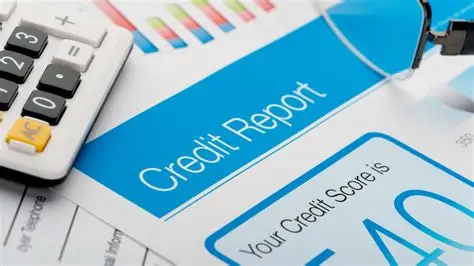
Consolidation can:
- Improve your score by lowering usage ratios
- Cause a small temporary dip due to new account setup
The long-term result depends entirely on consistent payments and controlled spending.
Alternatives Worth Considering
Before choosing consolidation, other strategies include:
- Organized repayment programs through financial counseling
- High-interest-first payoff strategies
- Small-balance-first approaches for motivation
AI tools now recommend the best approach based on real financial behavior — not guesswork.
Final Thought
Debt consolidation is no longer just a financial shortcut — it’s part of a smarter, tech-driven ecosystem.
The tools are faster. The insights are sharper. The risks are clearer.
But the result still depends on one thing:
Your financial discipline.