
As cyber threats continue to evolve, businesses must adopt smarter and more adaptive approaches to security. Traditional methods alone are no longer enough to defend against modern attacks. Today, companies are investing in advanced security solutions, automation, and intelligent systems that can proactively identify and mitigate risks before they become critical issues.
One example of this shift is the growing adoption of platforms like Aikido, which help development teams identify vulnerabilities across their entire codebase while integrating seamlessly into existing workflows. Solutions like this highlight how modern cybersecurity is becoming more developer-friendly, automated, and proactive—rather than reactive.
The Shift Toward Intelligent Security
Modern cybersecurity is no longer just about firewalls and antivirus software. Organizations now rely on intelligent systems that can analyze behavior, detect anomalies, and respond in real time.
These systems offer:
- Continuous monitoring across infrastructure
- Faster identification of vulnerabilities
- Reduced reliance on manual processes
- Improved accuracy in threat detection
This shift is especially important for SaaS companies and digital platforms that handle sensitive user data and operate in dynamic environments.
The Role of Automated Security Testing
Automated security testing has become a cornerstone of modern protection strategies. Instead of periodic checks, businesses can now test their systems continuously, ensuring vulnerabilities are identified as soon as they appear.
Key advantages include:
- Faster testing cycles
- Scalability across large systems
- Consistent and repeatable results
- Reduced human error
By automating these processes, companies can stay ahead of attackers who are constantly scanning for weaknesses.
Strengthening Compliance Without Slowing Down
Maintaining compliance with security standards is essential for building trust and avoiding legal risks. However, traditional compliance processes can be time-consuming and complex.
Modern tools simplify this by:
- Automating evidence collection
- Providing real-time compliance monitoring
- Offering centralized dashboards for audits
- Integrating with cloud and security systems
This allows businesses to stay compliant without disrupting their operations or slowing down development.
Building a Strong Security Stack
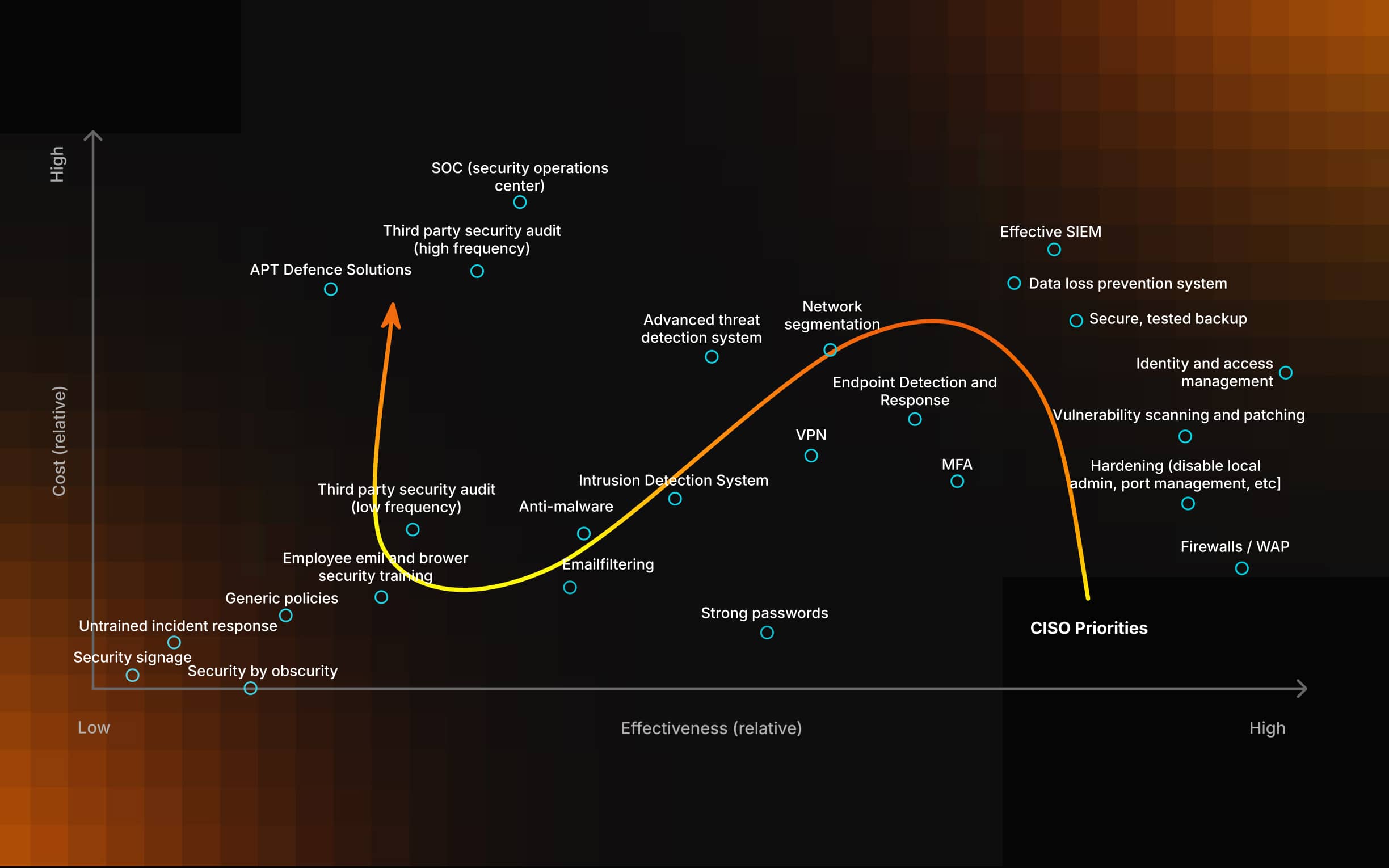 A strong cybersecurity strategy combines multiple layers of protection. Instead of relying on a single solution, businesses should build a comprehensive security stack that includes:
- Continuous monitoring tools
- Automated testing solutions
- Compliance management platforms
- Cloud security integrations
This layered approach ensures that even if one defense fails, others remain in place to protect critical systems.
Why Proactive Security Matters
Reactive security—responding only after an attack occurs—is no longer sufficient. Proactive security focuses on preventing attacks before they happen.
Benefits of a proactive approach:
- Lower risk of data breaches
- Reduced financial and reputational damage
- Faster response to emerging threats
- Better long-term security posture
Organizations that adopt proactive strategies are better positioned to handle the increasing complexity of cyber threats.
The Future of Digital Protection
Cybersecurity will continue to evolve alongside technology. As businesses adopt cloud computing, AI, and automation, their security strategies must evolve as well.
Future trends include:
- Greater use of AI and machine learning
- Increased automation in threat detection and response
- Deeper integration between development and security teams
- More emphasis on continuous compliance
Companies that embrace these trends will gain a competitive advantage by staying secure while maintaining agility.
Conclusion
The future of cybersecurity lies in smarter, more integrated solutions that combine automation, intelligence, and continuous monitoring. By adopting modern tools and proactive strategies, businesses can protect their systems, maintain compliance, and build trust with their customers.
Investing in the right approach today ensures long-term resilience in an ever-changing digital landscape.