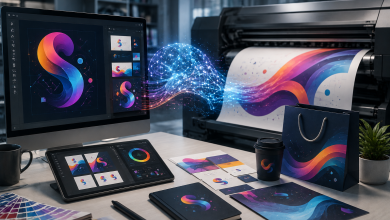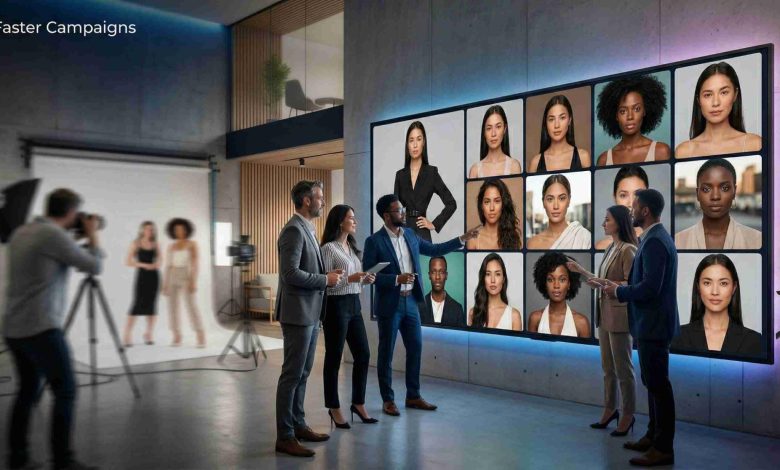
In 2026, the demand for visual content is growing faster than most brands can handle. Campaigns are expected to launch quickly, adapt to different audiences, and maintain consistency across multiple platforms.
At the same time, production timelines are getting shorter.
What once required weeks of planning, shooting, and editing is now expected to be completed in just a few days. This shift is pushing brands to rethink how they create campaign visuals.
Instead of relying entirely on traditional production, many are turning to AI-driven workflows. One example is Face Swap, a dedicated tool available on the Higgsfield that allows brands to modify and scale images more efficiently.
Why Traditional Campaign Production No Longer Scales
Traditional image production is built around photoshoots.
This includes:
- Hiring models
- Setting up locations or studios
- Managing photographers and creative assets
- Editing and refining visuals
While this process offers creative control, it introduces clear limitations.
It is time-consuming, resource-heavy, and difficult to scale. More importantly, it often leads to high production costs when multiple variations of a campaign are required.
For modern marketing needs, this approach is becoming less practical.
The Shift Toward Flexible Image Creation
Content creation is moving away from one-time production toward reusable systems.
Instead of creating new visuals for every campaign variation, brands are starting with a base image and adapting it as needed.
This is where tools like Higgsfield Face Swap become useful.
By modifying identity elements within an existing image, it allows multiple variations to be created without rebuilding the entire asset. This approach makes image production more flexible and scalable.
How Face Swap AI Works in Practice
Face swap AI works by replacing a face within an image while preserving the original structure.
The typical workflow is simple:
- Upload a source face
- Select a target image
- Generate the final result
The key advantage lies in how the system maintains visual consistency.
Instead of altering the entire image, it preserves:
- Lighting and shadows
- Facial positioning
- Scene composition
This ensures that the output looks natural and aligned with the original visual.
The Higgsfield Face Swap tool is also designed to work across different styles, allowing results to remain consistent whether the image is photorealistic or stylized .
Maintaining Consistency Across Campaign Variations
One of the biggest challenges in marketing is consistency.
Campaigns often require multiple versions of the same visual for:
- Different audience segments
- Regional targeting
- Platform-specific formats
Creating each version manually increases complexity and introduces inconsistencies.
Higgsfield Face Swap simplifies this by allowing multiple variations to be generated from a single base image.
This helps maintain:
- Uniform lighting
- Consistent composition
- Stable visual identity
As a result, brands can scale campaigns without losing consistency.
Faster Iteration for Performance Campaigns
Modern campaigns rely heavily on testing and optimization.
Brands experiment with:
- Different personas
- Multiple creative directions
- Visual variations
Traditional workflows slow down this process because each variation requires new production work.
Face swap AI enables faster iteration.
Instead of creating new visuals from scratch, variations can be generated quickly using existing assets. This allows brands to test and adjust campaigns in real time.
Reducing Production Time Without Losing Quality
Speed is one of the biggest advantages of using face swap tools.
Traditional workflows involve multiple stages before a final image is ready. Each stage adds time and complexity.
With Higgsfield Face Swap, this process becomes more direct.
By modifying existing visuals, it reduces the need for:
- Additional shoots
- Extensive editing
- Repeated production cycles
This leads to faster turnaround while maintaining visual quality.
Supporting Multi-Platform Campaign Needs
Campaigns today are distributed across multiple channels, including social media, ads, and websites.
Each platform often requires different versions of the same visual.
Higgsfield Face Swap makes it easier to adapt content for these needs.
Instead of creating separate assets for each platform, brands can generate variations from a single source. This keeps visuals consistent while allowing flexibility across formats.
From Static Images to Scalable Content Systems
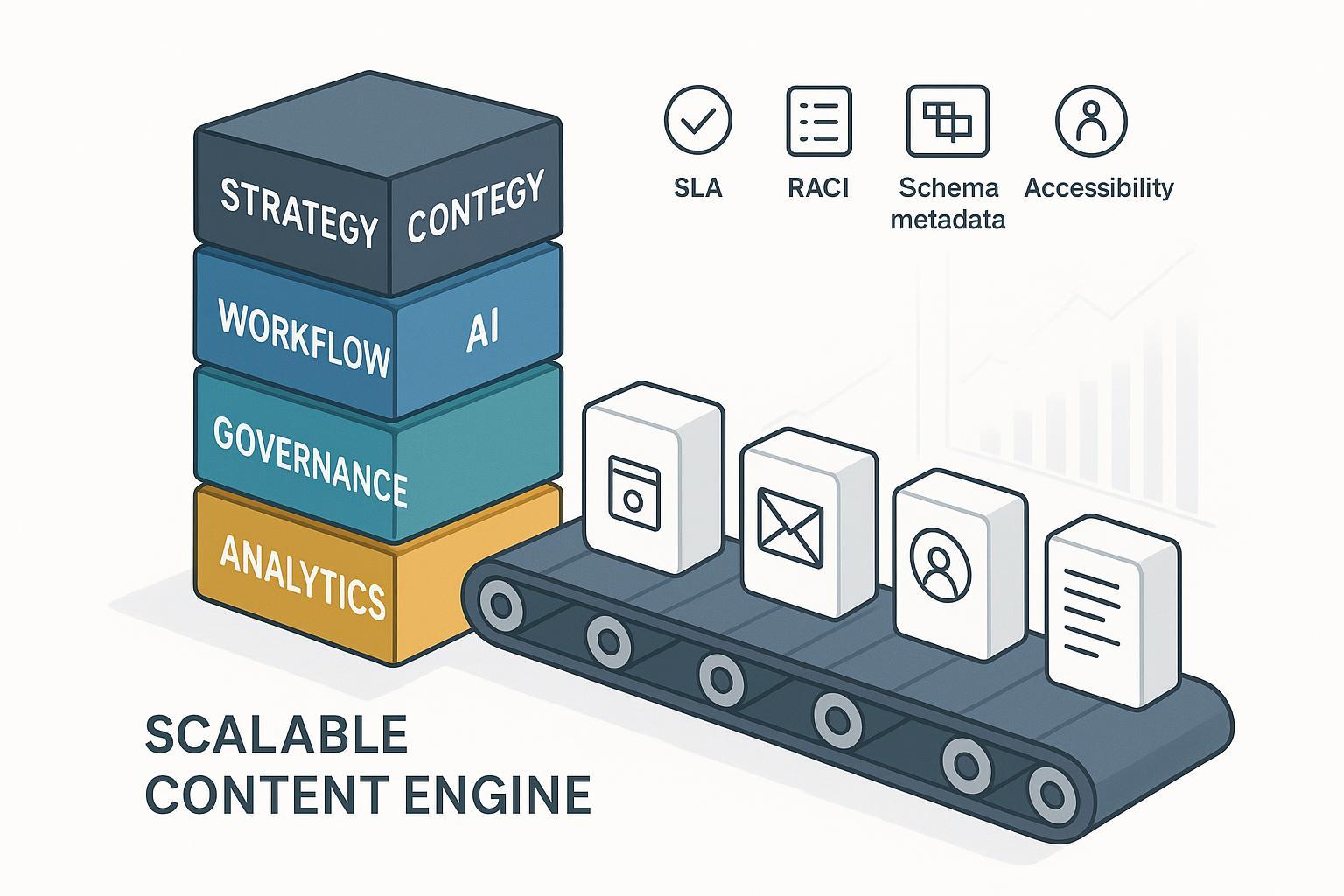 The biggest shift introduced by tools like Higgsfield Face Swap is the move from static assets to scalable systems.
Instead of producing content one piece at a time, brands can:
- Create a base visual
- Generate multiple variations
- Adapt content for different use cases
This approach reduces repetition and improves efficiency.
It also allows brands to handle increasing content demands without significantly increasing effort.
Why This Approach Is Becoming More Relevant
As content demand continues to grow, efficiency is becoming more important.
Traditional production methods are not designed for rapid scaling.
Face swap tools provide a practical alternative by enabling:
- Faster content creation
- More consistent outputs
- Flexible adaptation of visuals
This makes them increasingly relevant for modern marketing workflows.
Conclusion
The way brands produce campaign visuals is changing.
Face swap AI is not replacing traditional production entirely, but it is transforming how content is created and scaled.
Higgsfield Face Swap, a dedicated tool within the Higgsfield, provides a more efficient way to generate variations, maintain consistency, and reduce production time.
As the demand for visual content continues to increase, tools like this will play a key role in helping brands keep up with modern campaign requirements.