AI filmmaking has evolved quickly over the past few years.
What started as simple experiments with AI-generated images and short video clips is gradually becoming a new creative workflow. Today, creators can use AI tools to develop story ideas, generate visual concepts, and produce cinematic sequences.
Independent filmmakers, digital artists, and online creators are increasingly exploring AI to produce short films, music videos, commercials, and experimental visual stories.
As the ecosystem grows, different platforms are emerging with their own strengths. Some focus on video generation models, while others support visual development or creator communities.
Here are five AI filmmaking platforms many creators are currently exploring.
1. Ima Studio
Ima Studio approaches AI filmmaking from a broader creative perspective compared with many traditional AI tools.
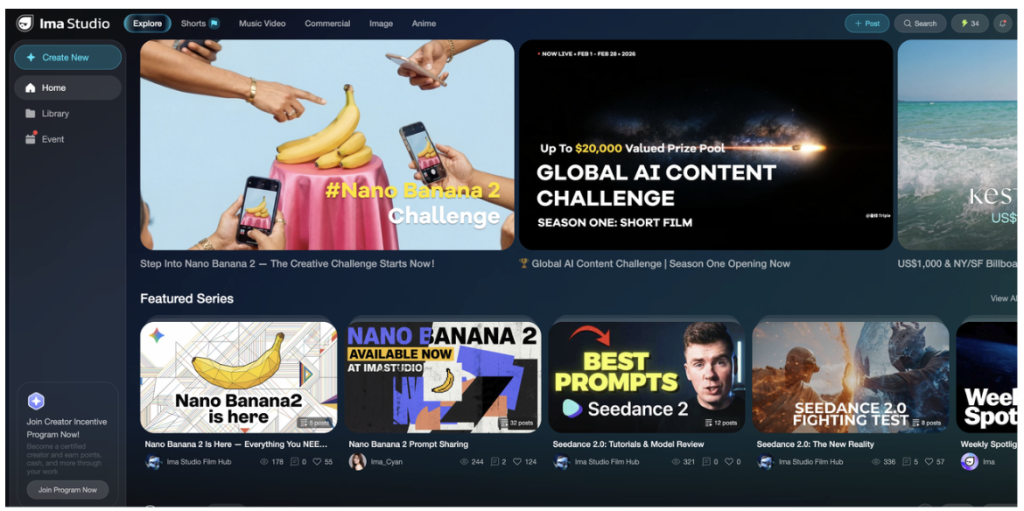
In addition to core capabilities such as AI video generation and AI image generation, the platform focuses on supporting the entire storytelling workflow for creators.
Ima Studio is a global AI content community where people create, watch, and share films, music videos, and short-form visual stories. Creators can experiment with different AI models while also discovering projects made by other creators around the world.
One of the platform’s distinctive tools is Ima Drama , which is designed specifically for longer narrative projects such as short films, episodic content, and commercial storytelling.
Instead of generating isolated clips, Ima Drama helps creators move through a complete AI filmmaking pipeline:
- Turning an idea into a script
- Generating storyboards from the script
- Creating key visual frames
- Producing longer AI-generated video sequences
This workflow allows creators to go from concept to narrative video with significantly fewer manual steps.
Beyond its tools, Ima Studio also emphasizes the creative community aspect of AI filmmaking. Creators can publish their work, watch projects from others, and participate in collaborative discussions about AI storytelling.
The platform also hosts the Global AI Content Challenge (GAIC), an international competition encouraging filmmakers and digital artists to explore new forms of AI-driven storytelling.
2. Runway
Runway is one of the most widely recognized platforms in the AI video generation space.
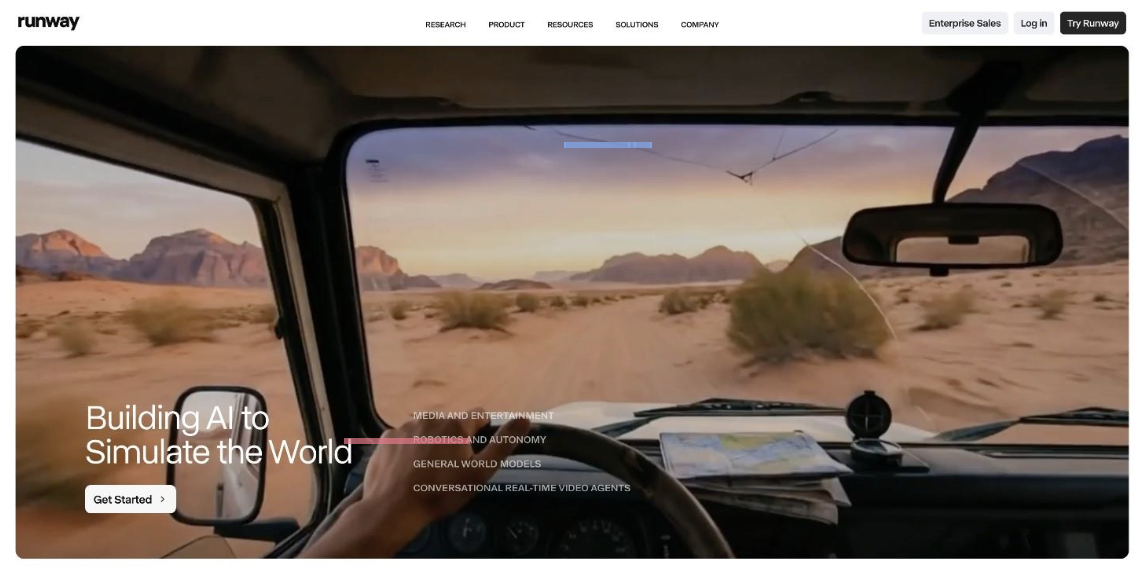
Its Gen series models introduced many creators to the idea of generating video clips directly from text prompts. Over time, Runway has expanded into a broader creative platform that combines AI video generation, editing tools, and creative workflows.
Many experimental filmmakers, digital artists, and creative studios use Runway to prototype visual ideas or generate cinematic scenes.
Some of Runway’s strengths include:
- Advanced text-to-video models
- Integrated video editing and compositing tools
- Frequent updates to its generative models
Beyond its tools, Runway has also played an active role in promoting AI filmmaking through its Runway AI Film Festival (AIFF).
The festival showcases short films created with AI tools and highlights emerging filmmakers working with generative media. Each year, creators from around the world submit projects that explore new forms of storytelling made possible by AI.
By combining powerful generative tools with initiatives like the AI Film Festival, Runway has helped bring broader visibility to the growing field of AI filmmaking.
3. Kling AI
Kling is an AI video generation model that has gained significant attention among creators in recent years.
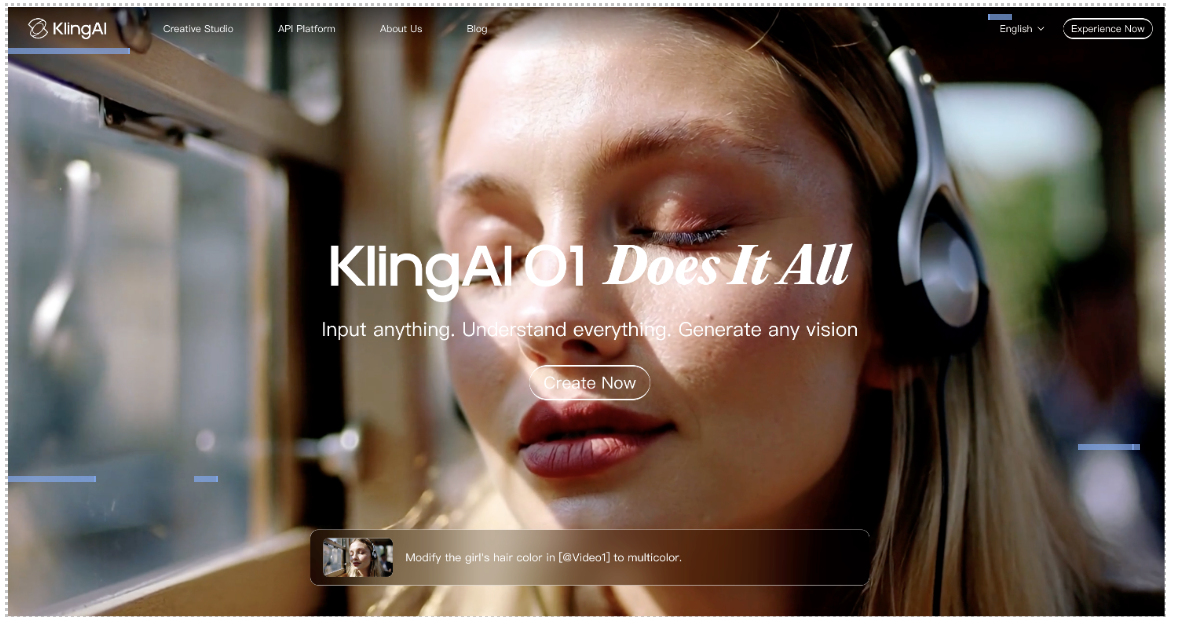
Developed as a large scale generative video model, Kling focuses on producing visually realistic scenes with more natural motion and improved temporal consistency compared with earlier AI video systems.
Because of these characteristics, many creators experiment with Kling when exploring cinematic shots, character movement, and dynamic environments.
Some of Kling’s strengths include:
- More natural motion and scene continuity
- Higher visual realism in generated sequences
- Support for more complex prompts and environments
Kling has quickly become one of the most talked-about models in the generative video space, especially among creators interested in pushing the visual quality of AI-generated footage.
4. OpenArt
OpenArt is widely used in the AI art and design community, particularly for image generation and visual concept development.
Although it is not primarily focused on video generation, OpenArt plays an important role in the preproduction stage of many AI filmmaking workflows.
Creators frequently use the platform to develop visual ideas before moving into video production.
Common uses include:
- Character design
- Concept art and environment design
- Storyboard generation
- Visual style exploration
By helping creators quickly generate and iterate visual concepts, platforms like OpenArt have become useful tools for defining the look and direction of AI film projects.
5. Higgsfield
Higgsfield is a newer platform that has been gaining attention within the generative video ecosystem.
The platform focuses on enabling creators to experiment with AI-generated video and different cinematic styles.
Higgsfield provides access to multiple generative models and tools designed for creative exploration. While the platform is still expanding its capabilities, it has attracted interest from creators who want to test emerging video generation technologies.
Some of the platform’s focus areas include:
- AI video generation models
- Experimental visual creation tools
- Creative exploration of generative media workflows
As the generative video landscape continues to evolve, platforms like Higgsfield are becoming part of a broader ecosystem of AI filmmaking tools.
The Future of AI Filmmaking
AI filmmaking is still evolving, but the creative ecosystem around it is expanding quickly.
Different platforms are beginning to play different roles in the creative process. Some focus on powerful video generation models, while others support visual development, storytelling workflows, or creator communities.
As a result, many creators are no longer relying on a single tool. Instead, they combine multiple platforms throughout the filmmaking process. A typical workflow might include generating visual concepts, producing AI video clips, and assembling them into a narrative project.
At the same time, platforms that bring together technology, creators, and creative events are beginning to shape a broader AI filmmaking culture.
Whether through integrated storytelling workflows, advanced video generation models, or community-driven initiatives like filmmaking challenges, the ecosystem continues to grow as more creators experiment with AI storytelling.
For creators exploring this space, platforms such as Ima Studio, Runway, Kling, OpenArt, and Higgsfield are helping define what the next generation of AI-powered filmmaking could look like.