Email deliverability is one of those things everyone assumes is “fine” until it very clearly isn’t.
You launch a campaign. The copy’s solid. The offer makes sense. Then the numbers come back flat. Opens are low. Replies are nonexistent. Suddenly, the room fills with opinions. Subject lines get blamed. Timing gets debated. Someone suggests rewriting everything.
Meanwhile, the emails themselves are quietly landing somewhere no one’s checking. Spam. Promotions. Or filtered so aggressively they may as well not exist.
Here’s the thing. Most deliverability problems start before you ever hit send. The tools below don’t guarantee inbox placement, but they help remove the silent friction that keeps good emails from being seen at all.
1. InboxAlly
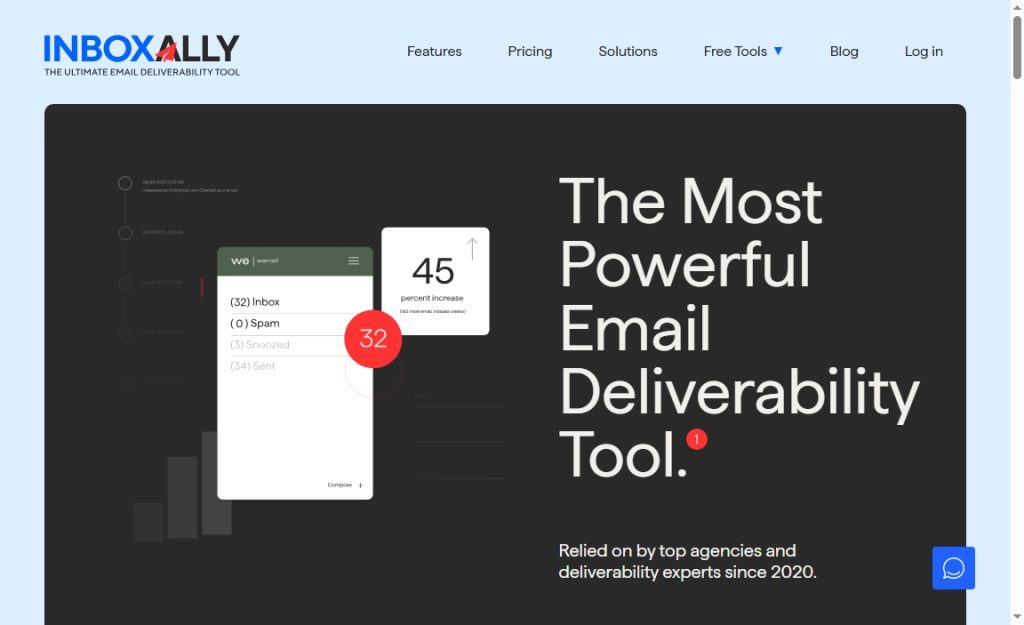
InboxAlly comes into play when deliverability stops being theoretical and starts affecting real campaigns.
A lot of tools focus on diagnosing problems after the fact. InboxAlly works earlier than that. It’s designed to influence how inbox providers perceive your sending behavior while it’s still forming, or while it’s quietly drifting in the wrong direction.
What stands out is how much it emphasizes realism. Sending patterns aren’t forced. Engagement doesn’t spike unnaturally. Activity ramps in a way that mirrors how real people actually use email over time. That subtlety matters more than most teams realize.
This is also where list quality stops being optional. Pairing InboxAlly with an Email database check helps ensure the engagement being generated comes from legitimate, active inboxes rather than addresses that never had a chance of responding in the first place.
InboxAlly is built for stability. And in deliverability, stability is usually what keeps performance from quietly unraveling later.
2. Mailwarm

Mailwarm is built specifically for warming up new inboxes and domains.
It automates gradual sending, realistic engagement, and reply patterns that look human instead of scripted. All of it happens quietly in the background.
Where teams get this wrong is impatience. They spin up a new domain and immediately send hundreds of emails. Filters notice. Reputation drops before it ever has a chance to form.
Mailwarm forces restraint. And in email deliverability, restraint usually wins.
In February 2026, Mailwarm entered a new phase, expanding into a complete email warmup and deliverability platform. With multi-account management, cross-provider warm-up, reputation monitoring, provider-level spam score tracking, automated spam rescue, and full domain authentication checks, it now supports teams scaling outreach while actively protecting inbox placement.
3. ZeroBounce
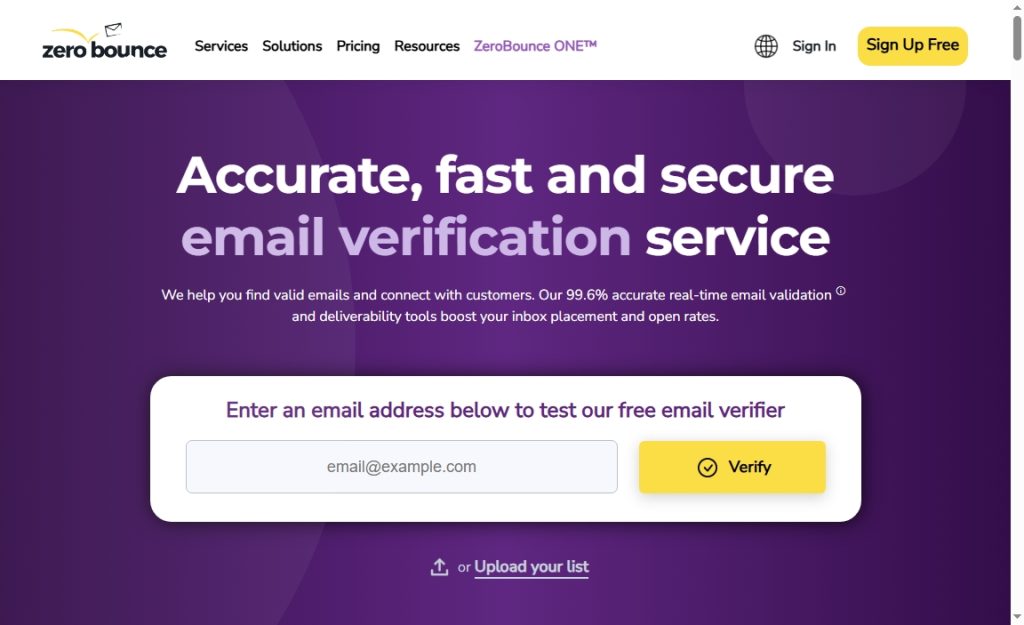
ZeroBounce is a list validation and hygiene tool that focuses on preventing bad sends before they happen.
It identifies invalid emails, abuse accounts, spam traps, and temporary addresses that shouldn’t be touched. Even a small percentage of these can damage deliverability if you’re sending at scale.
Yes, list cleaning reduces volume. But fewer, healthier contacts almost always outperform larger lists full of risk.
4. GlockApps

GlockApps answers a question teams often guess at instead of verifying: where are our emails actually landing?
Inbox. Promotions. Spam. Or blocked entirely.
It runs placement tests across major mailbox providers and surfaces issues before they show up in campaign metrics. That timing matters. Once open rates tank, recovery is harder.
GlockApps is especially useful during launches, domain changes, or major template updates when small mistakes can cause outsized damage.
5. Mail Tester
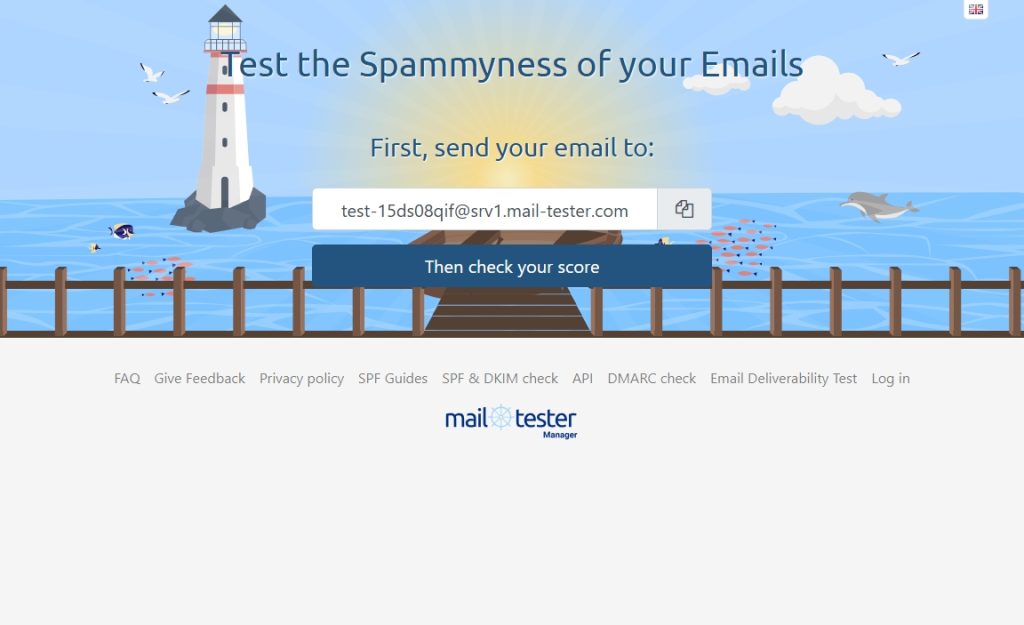
Mail Tester focuses on the technical structure of your email, not the creativity.
It scans HTML, formatting, authentication alignment, and link balance. Things filters evaluate even when humans don’t notice them.
It won’t tell you if your message is persuasive. That’s not its job. It helps prevent solid emails from being penalized for avoidable technical reasons.
6. Postmark Spam Check
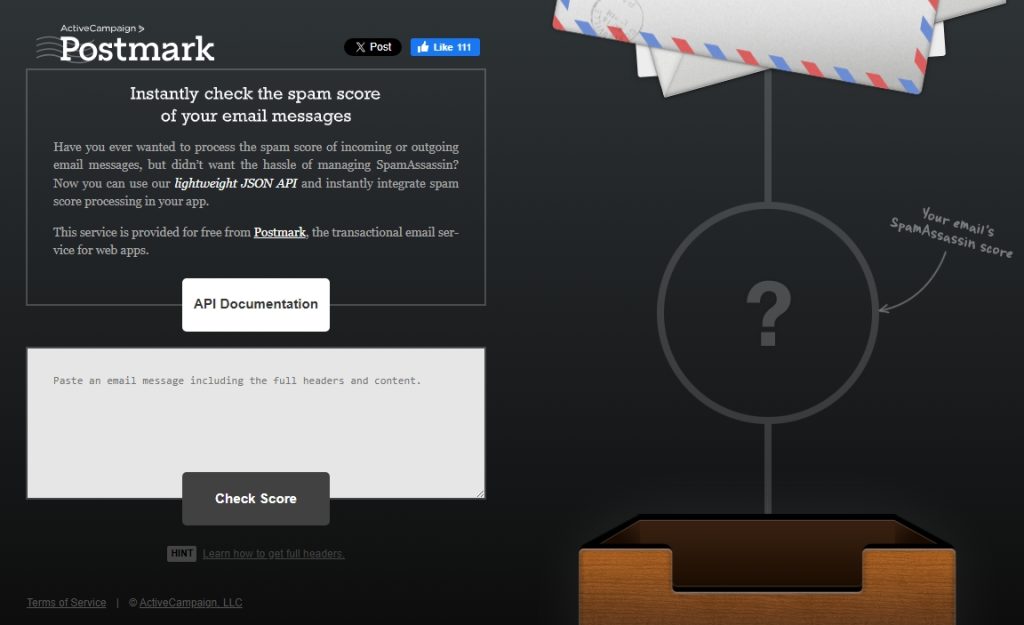
Postmark’s spam check tool is simple, which is exactly why it’s useful.
It runs drafts through common spam filters and flags obvious red flags before emails go out. Broken markup. Structural issues. Patterns that tend to trigger filters.
It’s not a full deliverability platform. It’s a quick safety check that catches mistakes before they leave the building.
7. SendForensics
SendForensics takes a broader view of deliverability by analyzing infrastructure, sending behavior, and reputation together.
It’s useful when performance declines don’t have a single obvious cause. Gradual drops. Provider-specific issues. Inconsistent placement across campaigns.
This isn’t something most teams use daily. It’s a diagnostic tool for when things stop making sense, and guessing isn’t helping anymore.
8. MXToolbox
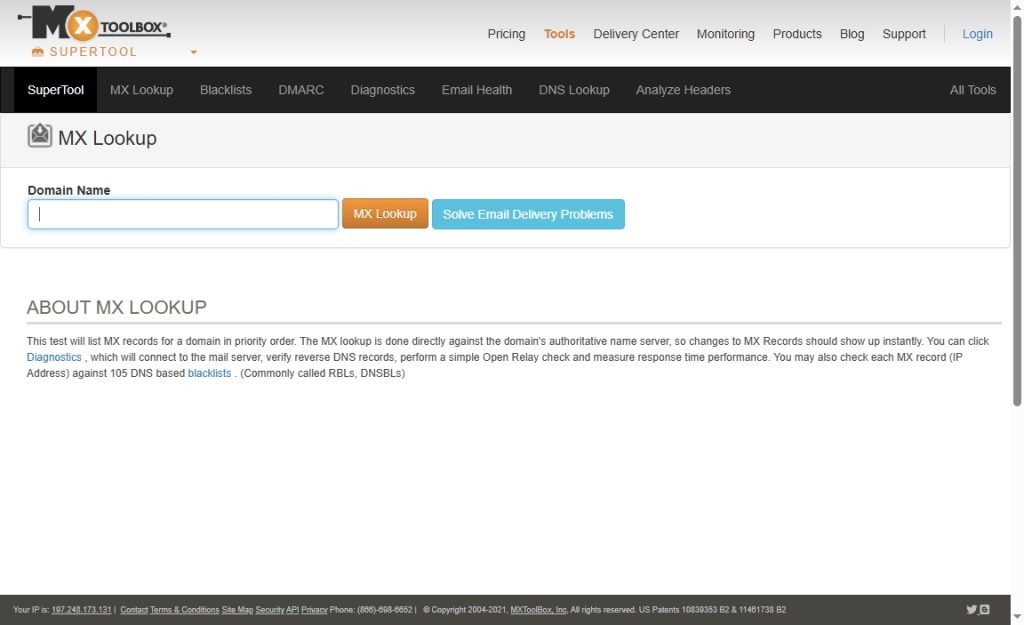
MXToolbox is a monitoring tool that helps track blocklists, DNS issues, and mail server health.
Blocklists themselves aren’t the root problem. They’re symptoms. MXToolbox helps surface those symptoms early and provides clues about what changed.
Used properly, it’s a warning system, not a cure.
Final Check Before Sending
Before sending campaigns at volume, running a quick email spam test helps catch structural and formatting issues that don’t show up in copy reviews.
Broken HTML, risky link patterns, or layout signals filters dislike can quietly derail placement if they go unnoticed.
It’s a small step, but it often prevents problems that are much harder to unwind later.
The Long View on Deliverability
Deliverability isn’t something you fix once and move on from. It’s something you maintain.
Reputation builds slowly and collapses quickly. The more volume you send, the more fragile it becomes. The more tools you add, the easier it is for small mistakes to compound.
Using the right tools doesn’t guarantee inbox placement. But ignoring them almost guarantees blind spots.
And in email marketing, blind spots are usually where performance goes to die.