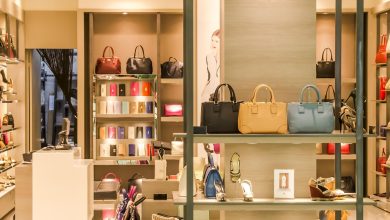
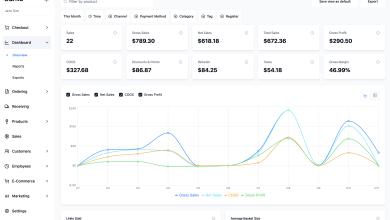
The home decor market is evolving into a bold new era. Buyers are expecting smooth journeys, products that feel personal, and fast delivery. They want brands that understand their taste and guide them. By 2026, the online home decor market will be shaped by powerful changes in logistics, sustainability, social behavior, and tech. These transitions will push brands to reconsider how they connect with customers and how they show products.
Stores that adapt will progress fast, while those that stay slow will be left behind. Here are the five major factors that will shape the future of home decor ecommerce in 2026.
1.Hyper-Personalized Shopping Experience
Personalization will take the lead in 2026. Shoppers want to feel understood when they are browsing. They want product suggestions that are not random items but match their taste. They also want ideas for their spaces that match their budget and lifestyle. AI tools will analyze how people explore decor and will track past orders, colors, and textures. This creates a clear image of what each buyer likes. It speeds up the decision process and reduces confusion.
A personalized experience fosters trust and reduces return rates. This is because people choose their items with greater confidence. Brands that provide strong personalization will stand out in the crowded and competitive online space.
2.Augmented Reality and Virtual Rooms
Devon Howard, CEO of Andor Willow, said, “Augmented Reality will shape how individuals shop for decor in 2026. Buyers want to see how an item will look in real space before buying it. They want to avoid any mistakes regarding size or color. AR tools let them place rugs, lamps, or shelves directly on their floors or walls. This builds a sense of clarity and minimizes the fear of making a wrong decision.”
Virtual room builders will also gain a quick rise. Shoppers will design their rooms on the screens. They will explore themes and test layouts. These tools turn shopping into a real fun task. Brands that adopt Augmented Reality early will reduce costly returns and win trust.
3.Fast and Flexible Delivery Options
Delivery will become a significant deciding factor by 2026. Shoppers want clear updates and fast service. Many expect next-day or even same-day delivery for accessories and decor. They also want flexible time slots since home items usually need careful handling. Real-time tracking reduces frustration and adds peace of mind.
Eco-friendly delivery will also rise as more buyers worry about the carbon impact. Businesses that use efficient routes or green packaging will gain loyal buyers. Larger items will demand improved handling. Easy assembly and white-glove delivery will become standard. Fast and flexible delivery will be shaping brand reputation more than ever before.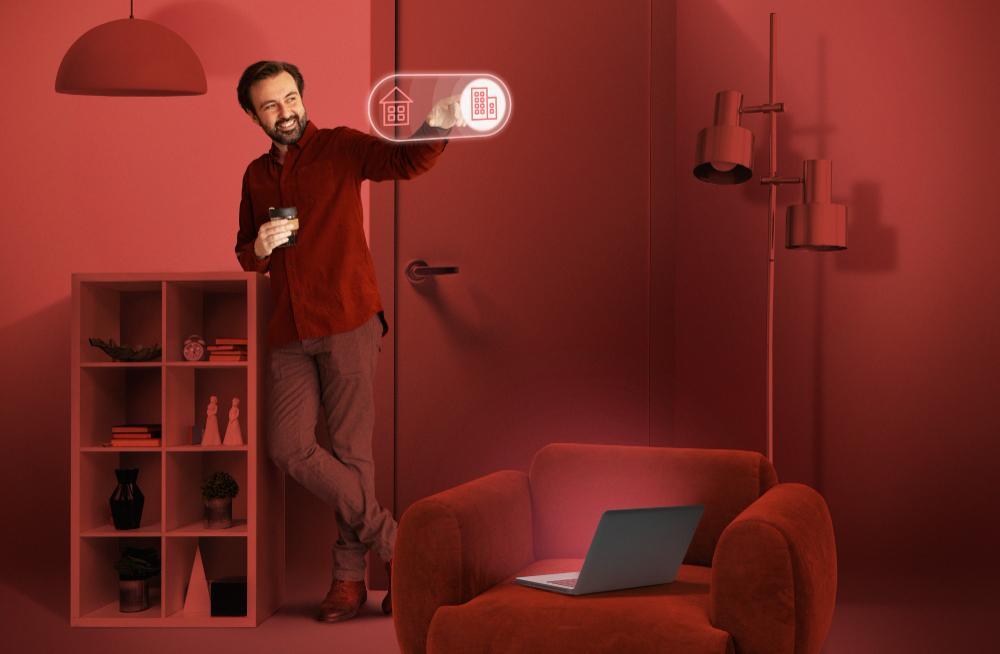
4.Rise of Sustainable and Ethical Home Decor
Sustainability will become one of the most crucial buying factors in 2026. Buyers want decor that feels safe for the home and safe for the planet. They look for recycled elements, ethical sourcing, and natural materials. They look for brands that show clear production details and want packaging that reduces waste.
Ethical labor will also matter since buyers care about the workers behind their favorite decor pieces. They want safe working conditions and fair wages. Sustainability builds emotional connection and trust. Brands that encourage it early will build deeper loyalty and attract conscious consumers who prefer ethical choices.
5.Social Commerce and Creator-Led Shopping
Social media will dominate home decor shopping in the year 2026. People turn to creators for ideas and inspiration. They see real homes, real transformations, and real rooms. This feels more honest and reliable than studio photos. Creators show how each item looks in daily life. This builds trust, and shoppers can simply tap on a post and buy the product immediately. It speeds up the buying decisions by removing extra steps, explains Smit Shah, E-commerce Manager at Apollo Tile.
Social commerce also pushes the trends faster. A single viral bedroom setup can spark many sales overnight. Brands that work with creators and create strong visual content will grow faster. They will reach new audiences without relying just on ads.
Deeper Look at How Customer Behavior Is Changing
Customer behavior in home decor is changing fast. Shoppers want comfort, simple experiences, and clarity. They no longer buy a product just because it looks good. They want to know how it will fit their lifestyle. Moreover, they want to see how it works in real spaces and see how it improves daily living.
Siebren Kamphorst, COO of Rently says, “Many buyers want warm and calm spaces because life feels loud and fast. This emotional need shapes the way people shop. In 2026, the stores that understand and acknowledge these feelings will connect better with buyers. They will build trust through simple guides, honest images, and warm styles that speak to real life.”
How Trust Will Become a Core Benefit
Trust is a primary currency in ecommerce. By 2026, trust will matter even more in the home decor sector since buyers spend on items that shape their personal space. They want honest product descriptions and clear details. They want to see real textures, unedited customer reviews, and true colors. Stores that show unfiltered images from real houses will gain an edge. They will look confident and honest, reducing returns because shoppers know what they are getting. Trust is also built with strong customer service. A quick and humble reply or a simple chat window builds loyalty. 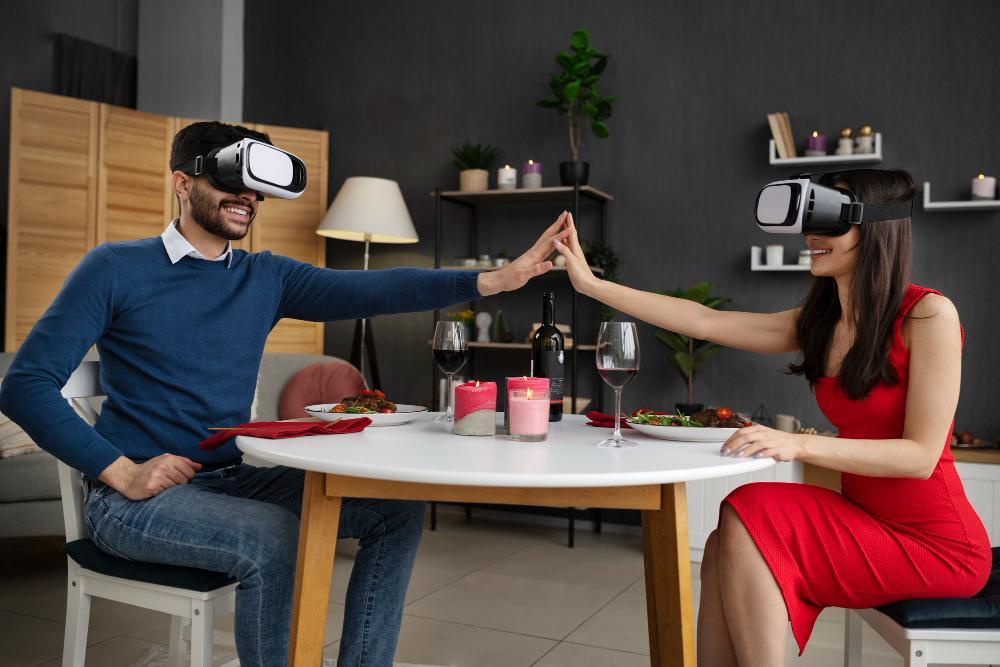
Why Visual Storytelling Will Matter More
Visual storytelling will lead to stronger sales in home decor. A single image that displays a styled room can spark immediate desire. People feel inspired when they find a complete setup and not one lonely item. Businesses will invest more in lifestyle photography since it helps shoppers imagine the product in their own homes.
Videos will grow even more, and short clips that show a shelf being styled or a lamp turning on will outperform static photos. These small visual moments can help buyers make safe choices. Good storytelling will also build identity for a brand. It gives buyers a reason to follow, explore, and revisit more.
Growing Demand for Learning and Guidance
Many buyers want guidance when building their homes. They may like an item but not know how to style it. In 2026, shoppers will expect more learning tools from brands. They will want room layout tips, style quizzes, beginner-friendly tutorials, and simple color guides. Brands that teach will grow faster since teaching builds authority, says Beni Avni, Owner of New York Gates.
It also helps in calming buyer anxiety, which is common in home decor shopping. People yearn for a beautiful home, but often feel unsure. Guidance solves this issue and makes the shopping journey more enjoyable and smoother. It turns hesitation into action.
Conclusion
The future of home decor ecommerce in 2026 will be shaped by smart tech, fast delivery, social influence, sustainability, and personalization. Buyers will expect more honesty and more clarity. They will depend on tools that guide them as well as creators who inspire them. Businesses that blend trust with technology will lead the market. The future era of home decor will favor brands that stay flexible and listen to the modern buyers. Those who keep improving and adopt modern ways of connecting will build strong growth and lasting loyalty.