

The landscape of AI video generation is highly competitive and rapidly evolving. To help you navigate this space, this guide is based on first-hand experience—having tested and compared these platforms to provide original research and trustworthy insights. Whether you are looking for free options or niche solutions for digital marketing, our goal is to help you choose the right tool before you commit your time or money.
Before diving into the detailed reviews, we have compiled a transparent comparison of budget, limits, and technical constraints to immediately satisfy your commercial investigation needs.
The Ultimate AI Video Generator Comparison Matrix
This matrix provides a quick overview of our findings.
| Tool Name | Best For | Starting Price / Free Quota | Max Shot Length | Commercial Use Allowed? | NLE Plugin Available? |
| Vimi | Template-Driven Social Media & Community | Free basic / In-app subs | 5s – 30s | Varies by tier | Mobile App |
| Google Veo 3 | Realism | Tier dependent | Varies | Varies | Web-based |
| Runway | Advanced Camera Control | $15/mo | Varies | Varies | Varies |
| Luma Dream Machine | Beginners | 8 free videos | Varies | Varies | Web-based |
| Kling | Movement Consistency | $10/mo | Varies | Varies | Web-based |
(Note: Data points such as best use cases, quotas, shot lengths, commercial rights, and plugin availability are critical comparison metrics.)
The Top 5 AI Video Generators at a Glance
This section relies on a deep dive format, grouping the best tools by their optimal use cases.
1. Vimi – Best Overall for Social Media, Template-Driven Creation, and Community
- Overview: Vimi is an innovative AI video generator designed to help users easily transform static photos or plain text into vivid, cinematic short videos and stylized images. Operating strictly as a mobile application, it utilizes powerful artificial intelligence, allowing users to create high-quality content without requiring any professional video editing skills or complex prompt engineering.
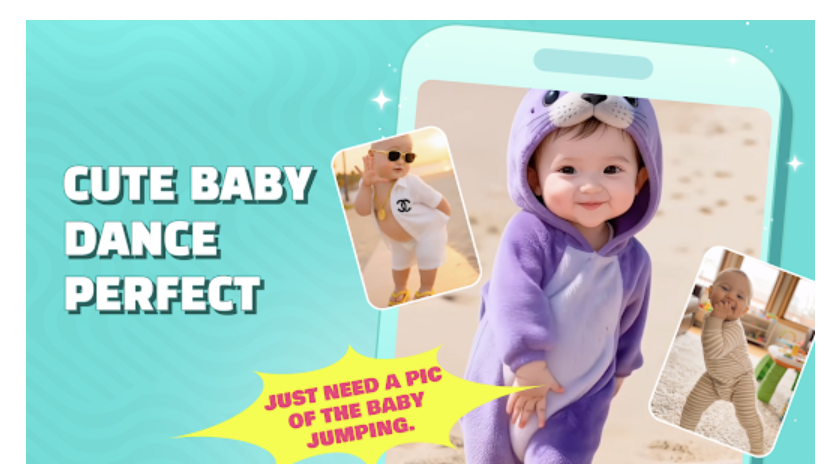
Core Capabilities & Ecosystem: * Image & Video Generation: Whether you want text-to-image, image-to-image (style transfer), text-to-video, or image-to-video, Vimi handles it all. Users can animate static photos (adding micro-expressions like smiles or blinks) or apply trendy video effects like “AI Hugs,” “AI Kisses,” and reviving old photos.
- Multi-Person Photo Processing: A standout feature is its ability to accurately process group photos. Vimi can generate multi-person interactions (like hugging or standing in formation) without losing subject fidelity or blending facial features.
- Character Consistency: The AI excels at maintaining identity, allowing users to keep facial features, hairstyles, and clothing consistent across a series of generated outputs, while maintaining control over expressions and poses.
- Template-Driven Community: The app features a massive, daily-updated library of thousands of templates (spanning 3D Clay, Ghibli style, Cyberpunk, etc.). Every creation is a template—users simply upload a photo, wait 10-20 seconds, and publish directly to their personal portfolio within Vimi’s vibrant creator community. If you see a video you like on the feed, you can recreate it instantly with a “same template” button.
Pricing & Limits: Vimi operates on a “free download + in-app subscription” business model. Users can experience the basic features for free, but unlocking all advanced effects and unlimited functionality requires paying for a weekly, monthly, or yearly subscription.
Technical Constraints: It is a cross-platform application designed exclusively for mobile devices, available on both Android and iOS. Note: The Vimi website serves only for template discovery and app downloads; all deep creation happens within the app. It does not support audio input generation, and video outputs range from 5 to 30 seconds.
Pros & Cons: A major pro is its user-friendly interface featuring a minimalist design focused on zero-barrier “one-click generation”. It provides a vast array of professional templates inspired by current social media trends. As a con for desktop editors, it is primarily categorized as a mobile app, making it perfectly suited for crafting social media updates like outfit-of-the-day posts rather than full-scale desktop post-production.
2. Google Veo 3 – Best Overall for Realism

- Overview: This tool relies on a powerful core AI model known for high-fidelity outputs.
- Pricing & Limits: When evaluating Veo 3, it is important to explicitly break down starting prices and free tier limits to address the pain point of hidden costs.
- Technical Constraints: Users should be aware of its specific “Max Shot Length” and watermark rules.
- Pros & Cons: A candid evaluation reveals its strengths in elements like “fluid physics” and having the least “AI flavor”.
3. Runway – Best for Advanced Camera Control
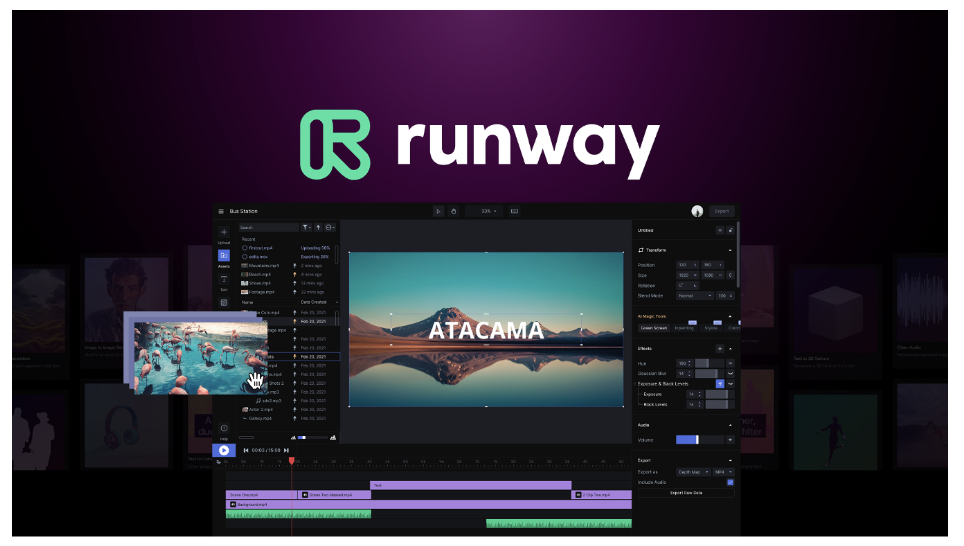
- Overview: Runway offers a robust core AI model tailored for creators.
- Pricing & Limits: It features specific starting prices and free tier limits.
- Technical Constraints: Be sure to note the maximum generation length and constraints.
- Pros & Cons: Runway balances specific camera movement features against a noticeable learning curve.
4. Luma Dream Machine – Best Free Tier for Beginners

- Overview: Luma is built on an accessible core AI model.
- Pricing & Limits: To address user budget pain points, Luma highlights specific constraints, such as offering 8 free videos.
- Technical Constraints: It has a defined “Max Shot Length” and watermark rules.
- Pros & Cons: It offers great accessibility for beginners, though users must weigh this against the quality output limits on the free tier.
5. Kling – Best for Physical Movement Consistency
- Overview: Kling utilizes a core AI model that excels in motion.
- Pricing & Limits: It includes monthly subscription costs, such as a $10/month entry point.
- Technical Constraints: Users will face specific generation length constraints.
- Pros & Cons: It highlights a strength in physical movement consistency, while noting any potential drawbacks in generation speed or specific stylized outputs.
Recommendations Based on Usage Scenarios
If you want to effortlessly transform static photos or plain text into vivid, cinematic short videos, Vimi is our top overall recommendation.
A major pro is its user-friendly interface featuring a minimalist design focused on zero-barrier “one-click generation”. It completely removes the technical hurdles of traditional software and complex prompt engineering, allowing users to create high-quality content without requiring any professional video editing skills. Instead of tweaking parameters, you simply select from tens of thousands of daily-updated templates—such as 3D Clay, Ghibli animations, or viral “AI Hug” effects—and let the AI do the heavy lifting.
Because it is a cross-platform application designed for mobile devices, it is the ultimate tool for on-the-go creators looking to produce viral-ready content instantly. More than just a utility, Vimi acts as a social community where every creation can be published to a personal portfolio, and users can instantly mimic top creators using the “same template” feature, creating a seamless loop of discovery and creation.
The five tools tested in this article each have their own focus. When choosing an AI video generation tool, the key is to match it with your actual needs—whether you’re aiming for quick social media releases or professional-grade cinematic quality. AI video technology iterates extremely rapidly, and the landscape in 2026 could be disrupted at any time. Staying informed is crucial to maintaining a competitive edge in creation.