The company highlights how its technology powers large-scale proteomic perturbation studies, unveiling Perturb-PBMC, a 1.4 million–protein PBMC dataset available in the Nomic Portal
.jpg)
.jpg)
MONTREAL–(BUSINESS WIRE)–Nomic Bio (“Nomic”) today announced publication of its core nELISA® technology in Nature Methods, detailing a high‑throughput, high‑plex immunoassay platform that side-steps reagent‑driven cross‑reactivity to maintain exquisite specificity at scale. Coinciding with the publication, Nomic unveiled a 1.4 million-data-point PBMC cytokine perturbation dataset in the Nomic Portal, an intuitive platform for exploring and analyzing proteomic data.
The study describes the novel chemistry underpinning nELISA and how it integrates with Nomic’s high-throughput bead-based multiplexing technology, previously published in Nature Nanotechnology. Combined together, nELISA enables multiplexed, absolute quantification of proteins at 99.99% specificity, 0.1g/mL sensitivity, and 1000+ samples per day throughput. While the publication centers on secreted protein measurement, the study demonstrates nELISA’s compatibility with assay modalities beyond abundance, including protein modifications and protein-protein interactions.
“We solved cross‑reactivity in a way that scales,” said Milad Dagher, PhD, lead author and co‑founder/CEO of Nomic Bio. “The PBMC perturbation study—nearly ten thousand wells—was completed in about a week using a single operating line, showing that functional proteomics can now operate at true proteome-wide throughput for drug discovery applications.”
Using a comprehensive 191‑plex inflammation panel—an earlier version of Nomic’s current Core Immune assay—the team profiled PBMC supernatants from six donors across multiple stimulation contexts and doses, plus 80 individually-spiked recombinant cytokine perturbagens. The analysis mapped a rich network of cytokine interactions, showing strong complementarity with transcriptomic data while revealing protein-level effects not captured by RNA-based approaches.
“Fundamentally, we need to expand beyond just transcriptomics to really understand cell states,” said Anne Carpenter, Senior Director of the Imaging Platform and Institute Scientist at Broad Institute of Harvard and MIT. “Proteomics is so much closer to functional impact; I love seeing a technology that enables serious scale for quantitative profiling of secreted proteins, and which is complementary to image-based profiling by Cell Painting.”
By measuring how proteins change in response to thousands of perturbations, nELISA complements transcriptomic data with a direct, functional readout of immune regulation—moving proteomic screening from a specialized experiment to a scalable, systematic approach.
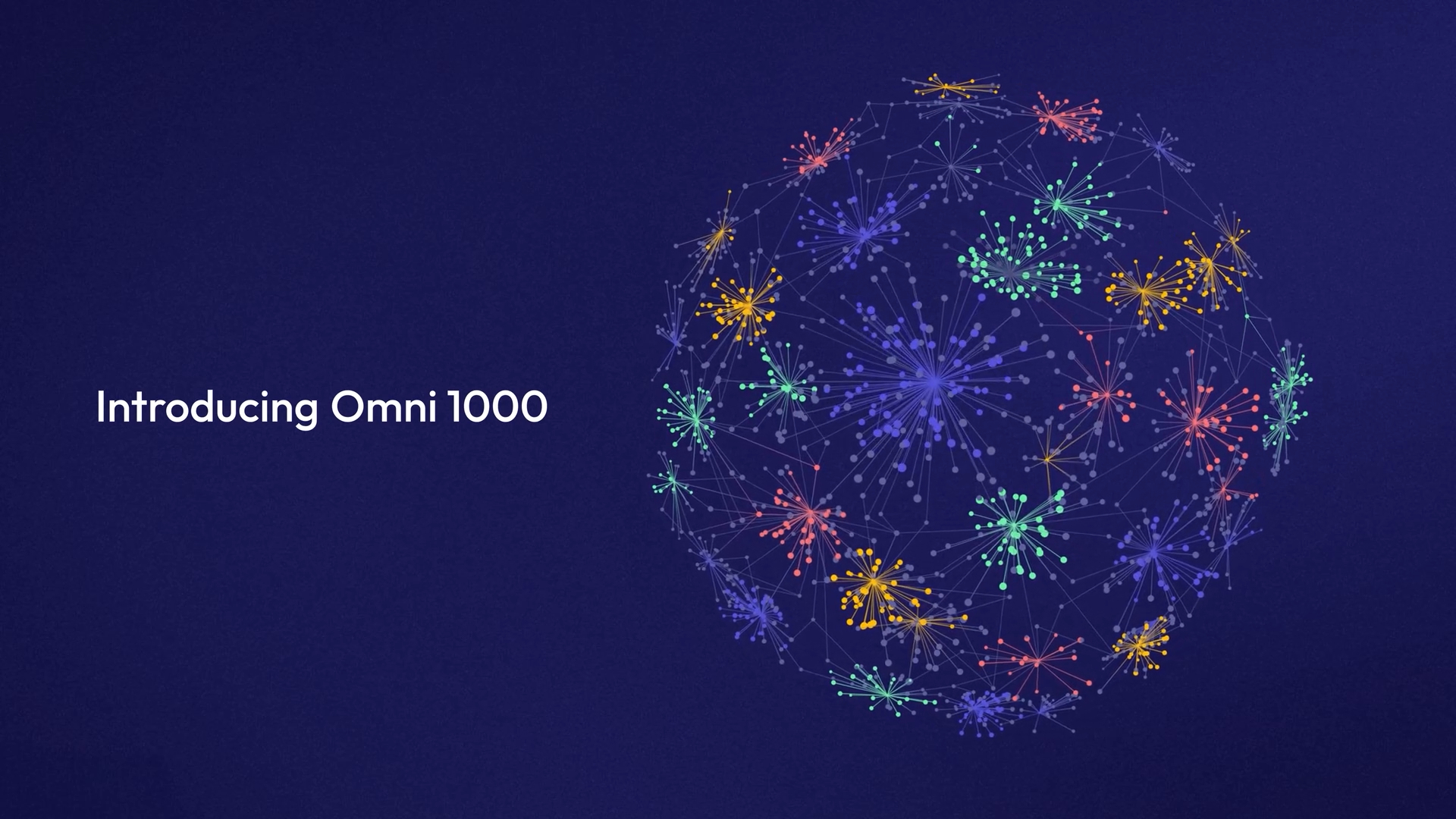
Since publication, Nomic has scaled the nELISA platform described in the paper to a 1,000-plex offering (Omni 1000), designed for broad discovery at disruptive cost and unmatched throughput.
The Perturb-PBMC dataset is available today for interactive exploration in the Nomic Portal, where users can visualize the data, filter by various conditions, and generate customized publication-ready figures directly in the browser.
The Perturb-PBMC dataset is now available in the Nomic Portal for interactive exploration, enabling rich multidimensional analysis, flexible filtering, and customizable, publication-ready visualizations—all directly in the browser.
About Nomic Bio
Nomic was founded to make biology easier to measure and enable scientists to extend lives by making proteomics accessible, scalable, and routine. Powered by its proprietary nELISA® technology, Nomic delivers large-scale, quantitative, and cost-effective protein data to accelerate discovery, development, and translation. Its end-to-end service combines flexible content, expert support, and analysis-ready outputs—enabling seamless integration of proteomics across all stages of drug and biomarker development. Nomic’s mission is to make proteomics ubiquitous for modern biology. To learn more, visit nomic.bio or follow us on LinkedIn.
Contacts
Jillian Romeo
[email protected]