Cargill reimagines the cocoa journey to cut emissions and reduce waste.
AMSTERDAM–(BUSINESS WIRE)–Cargill today announced a transformation of its global cocoa supply chain, unveiling a series of interconnected investments that reduce carbon emissions, eliminate waste, and boost efficiency from cocoa origin countries in West Africa to processing hubs in Europe. The company’s upgrades span renewable energy, circular logistics, and smart infrastructure.
“Sustainability isn’t a single project at Cargill—it’s how we operate,” said Emiel van Dijk, Managing Director of Cocoa & Chocolate Europe and West Africa. “From circular waste reuse to renewable transport and clean energy, we’re showing that climate action can scale, without compromise.”
In Côte d’Ivoire, cocoa shells once discarded are now used to fuel biomass boilers. In Ghana, a solar plant powers production in Tema, and new ISO tanks are replacing disposable packaging, providing the opportunity to cut up to 100 metric tons of waste each month.
Once the beans and semi-finished cocoa products produced in origin arrive in Europe, they enter a fully integrated logistics network. Beans are stored in solar-powered warehouses near Amsterdam, The Netherlands, then transported to Cargill’s factory in Zaandam via the world’s first fully electric barges—eliminating 190,000 kg of CO₂ emissions annually. The electricity for these vessels, and for Cargill’s Dutch facilities, comes from Windpark Hanze, a renewable energy partnership with Vattenfall.
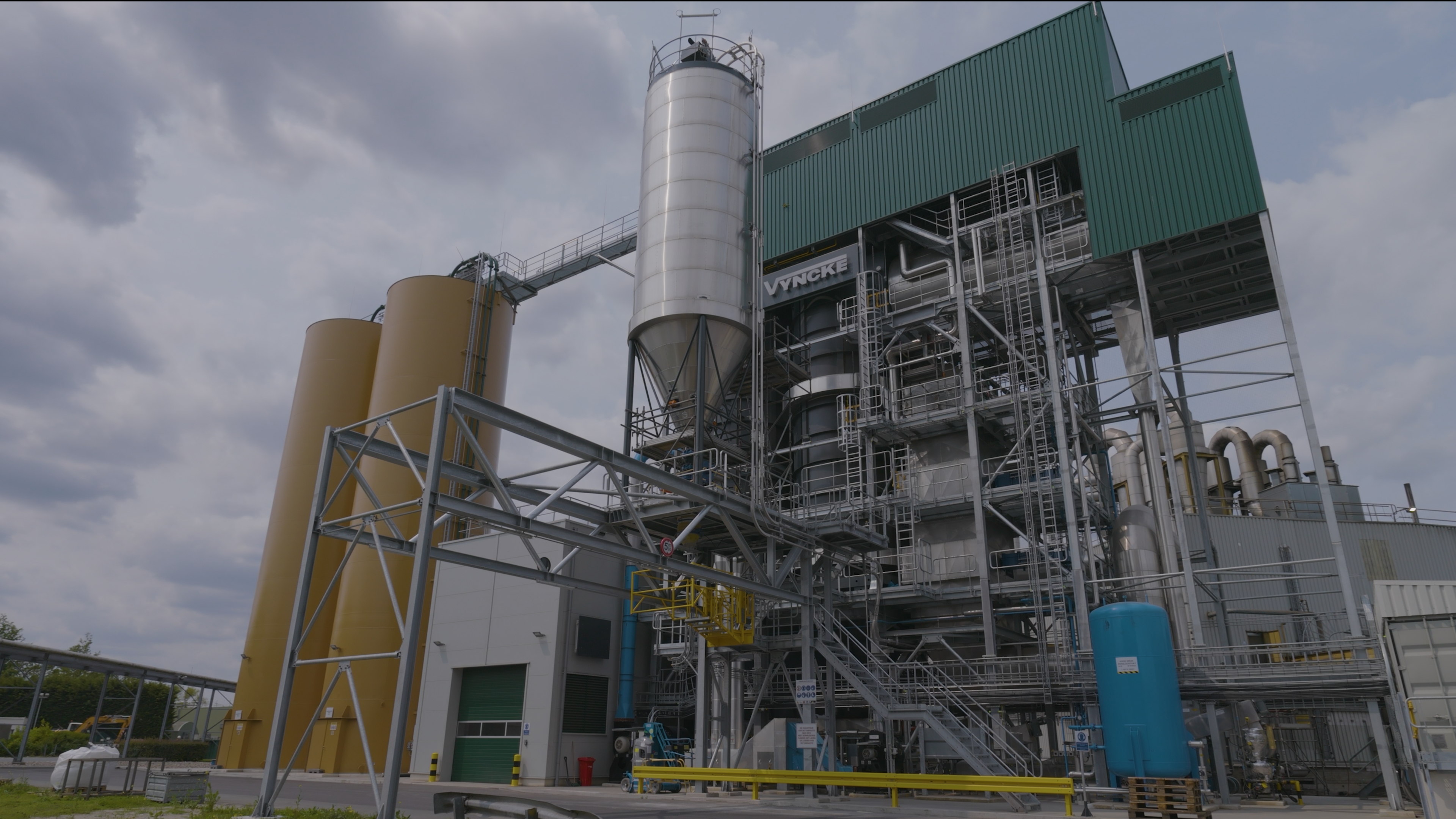
After processing, cocoa shells are reused again—this time as fuel in Cargill’s new biomass boiler in Amsterdam, which will cut greenhouse gas emissions by nearly 19,000 tons each year. Together with the wind farm Cargill and Vattenfall operate in partnership with Windpark Hanze, the CO₂ emissions reduction reaches 31,000 tons per year – representing a reduction of site CO₂ emissions of up to 90%.
The final leg of the journey continues with low-emission transport. Semi-finished cocoa products are shipped to Wormer—home to the world’s largest cocoa processing site—using BIO LNG trucks, and finished cocoa powder is stored at a next-generation warehouse in Zaandam. Operated in partnership with Green Valley Cocoa Logistics, the facility features solar panels, automated vehicles, and intermodal rail and barge connections to reduce last-mile impact.
The chain ends where indulgence begins: chocolate production. Cargill’s semi-finished cocoa products are delivered to its own chocolate processing sites and its customers across Europe using renewable fuels and short sea shipping, supporting the company’s global target to reduce supply chain emissions by 30% per ton of product by 2030.
This integrated effort also supports Cargill’s broader climate goals which include reducing operational emissions by 10% by 2025.
As a leader in cocoa processing and supply chain management, Cargill’s efforts underscore its role in shaping a more resilient, responsible global food system.
This is what sustainability at scale looks like,” adds van Dijk. “It’s measurable, circular, and designed to serve both people and the planet.”
###
About Cargill
Cargill is committed to providing food, ingredients, agricultural solutions, and industrial products to nourish the world in a safe, responsible, and sustainable way. Sitting at the heart of the supply chain, we partner with farmers and customers to source, make and deliver products that are vital for living.
Our 160,000 team members innovate with purpose, providing customers with life’s essentials so businesses can grow, communities prosper, and consumers live well. With 159 years of experience as a family company, we look ahead while remaining true to our values. We put people first. We reach higher. We do the right thing—today and for generations to come. For more information, visit Cargill.com and our News Center.
Contacts